Clinical Report: Home Recovery Duration Following Hip Fracture in Elderly Individuals With and Without Dementia
Overview
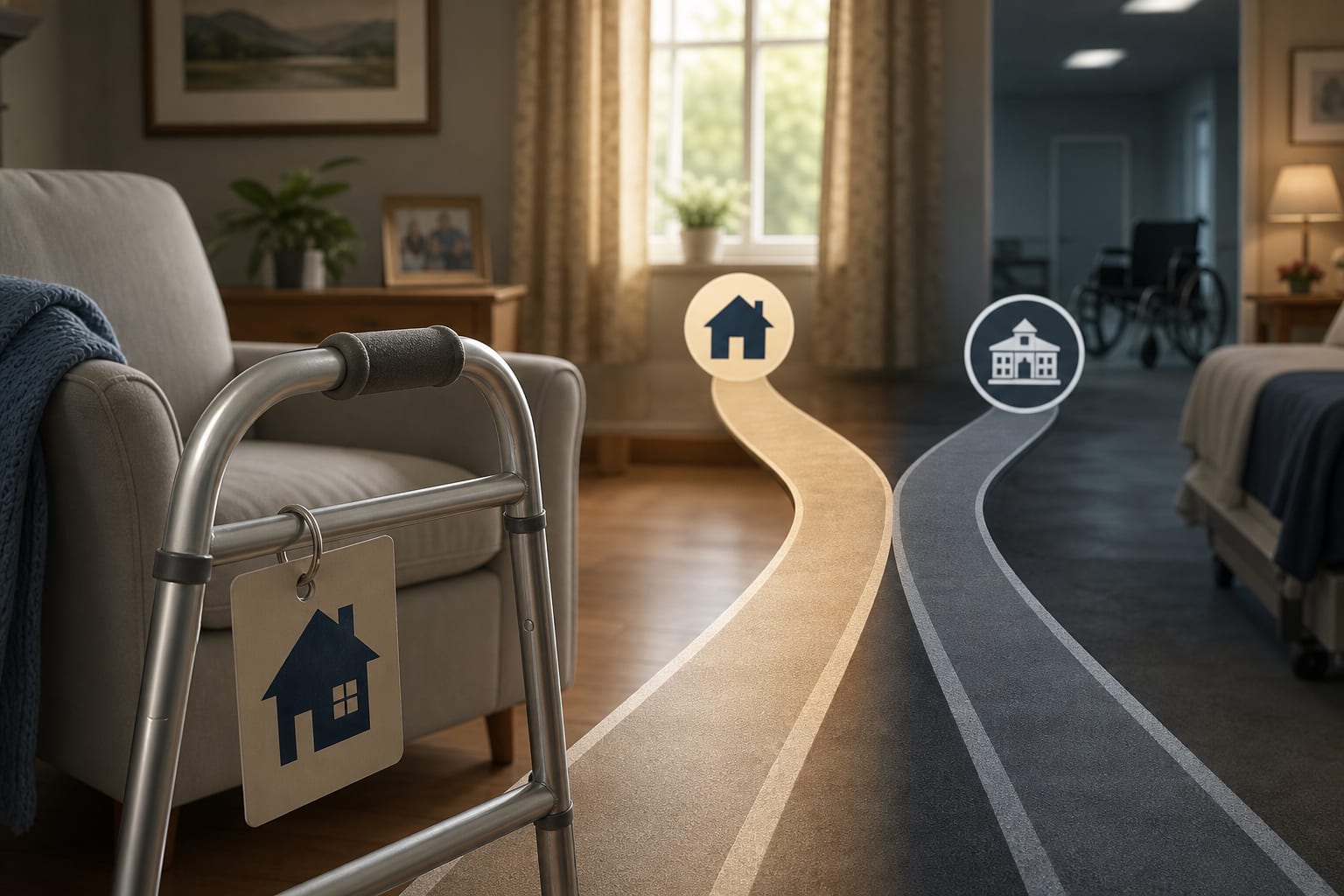
This study investigates the duration of home recovery following hip fractures in older adults, comparing outcomes between those with and without dementia. Findings indicate that individuals with dementia experience significantly fewer days at home post-fracture, highlighting the need for targeted care strategies.
Background
Hip fractures are prevalent among older adults and can lead to severe consequences, including increased mortality and functional decline. The incidence is notably higher in individuals with dementia, who may face additional challenges in recovery. Understanding the factors influencing post-fracture outcomes is crucial for improving care and resource allocation.
Data Highlights
No specific numerical data provided in the article.
Key Findings
Older adults with dementia spent significantly fewer days at home after hip fracture compared to those without dementia.
Days at home is a critical patient-centered outcome that reflects recovery and quality of life.
Factors such as chronic disease burden and neighborhood deprivation impact recovery outcomes.
Post-fracture care planning must consider the unique needs of patients with dementia.
Timely surgical intervention is associated with better recovery outcomes in hip fracture patients.
Clinical Implications
Healthcare providers should prioritize early intervention and tailored rehabilitation strategies for older adults with dementia following hip fractures. Understanding the predictors of recovery can enhance care planning and improve patient outcomes.
Conclusion
The study underscores the importance of considering dementia status in post-fracture recovery discussions, as it significantly affects the duration of home recovery. Enhanced care strategies are essential for optimizing outcomes in this vulnerable population.