Clinical Report: Changes in Oral Microbiome Among Patients with r-axSpA
Overview
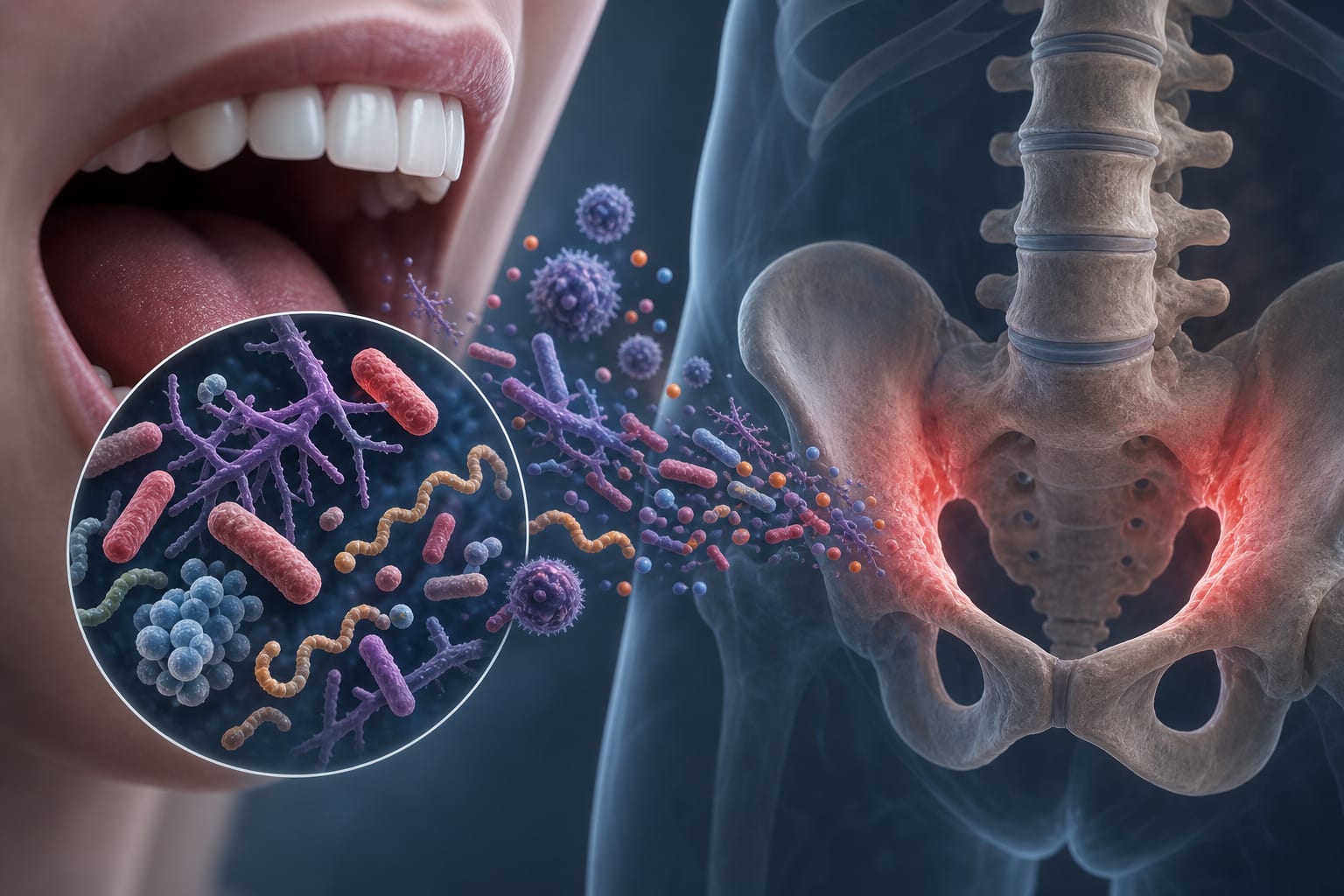
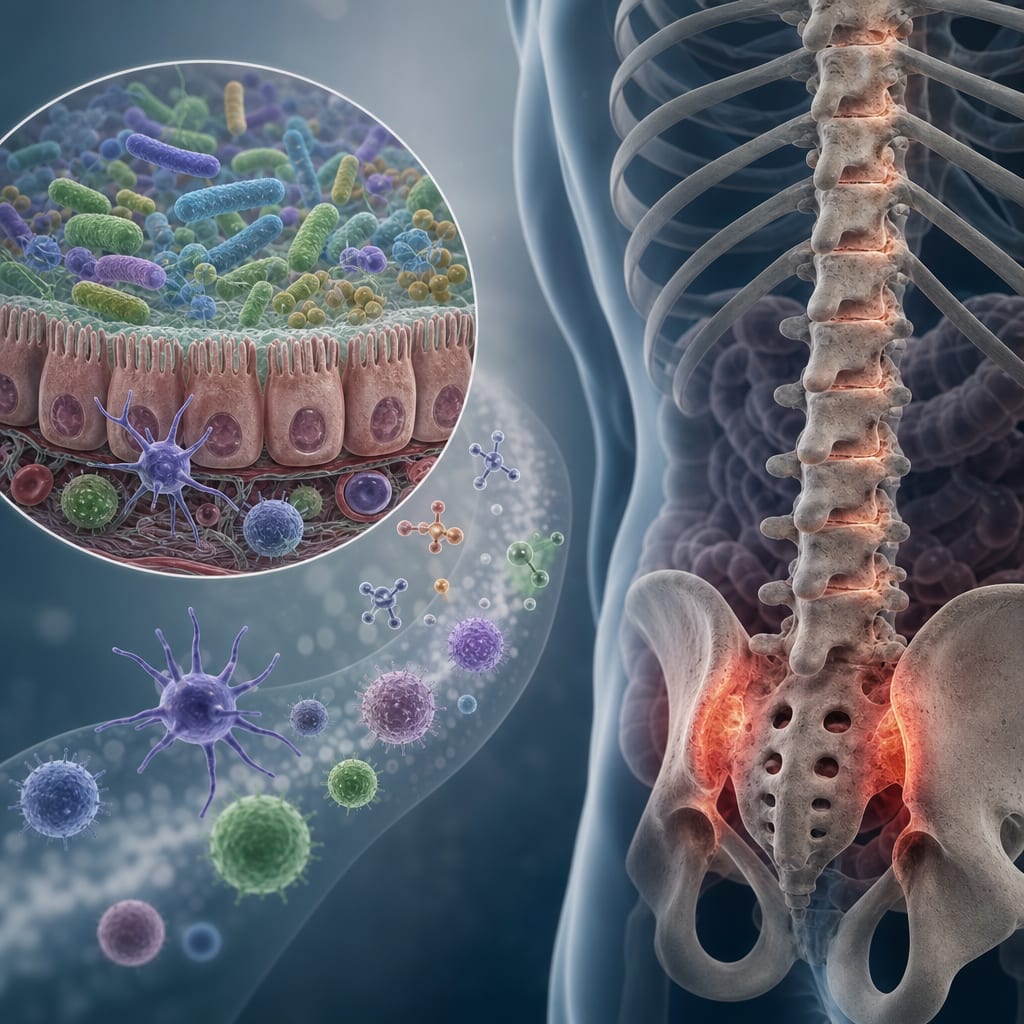
This study investigates the oral microbiome alterations in patients with radiographic axial spondyloarthritis (r-axSpA), revealing significant differences in microbial composition compared to healthy controls. Key findings suggest a potential link between oral dysbiosis and systemic inflammation in r-axSpA patients.
Background
Radiographic axial spondyloarthritis (r-axSpA) is a chronic inflammatory disease that primarily affects the axial skeleton and can lead to significant disability. Understanding the role of the oral microbiome in r-axSpA is crucial, as dysbiosis may contribute to systemic inflammation and disease progression. This study aims to fill the gap in knowledge regarding the oral microbiome's impact on r-axSpA.
Data Highlights
Group
Microbial Taxa
Association
r-axSpA
Actinobacteria, Spirochaetes, Synergistetes
Increased abundance of Actinomyces and Selenomonas
r-axSpA
Porphyromonas gingivalis
More abundant in r-axSpA group
r-axSpA
Porphyromonas, Saccharimonadaceae
Correlated with severity of sacroiliitis and ankylosis
Key Findings
Patients with r-axSpA exhibited alterations in oral microbiome composition compared to healthy controls.
Alpha diversity of the oral microbiome remained largely comparable between groups.
Key periodontal pathogens, including Porphyromonas gingivalis, were more abundant in r-axSpA patients.
Increased abundance of specific taxa correlated with systemic pro-inflammatory cytokines like IL-17.
Oral dysbiosis may play a role in modulating systemic inflammation in r-axSpA.
Clinical Implications
The findings suggest that clinicians should consider the oral microbiome as a potential factor in managing r-axSpA. Monitoring oral health and addressing dysbiosis may provide additional avenues for therapeutic intervention and inflammation control in these patients.
Conclusion
This study highlights the distinct oral microbiome profile in r-axSpA patients and its potential implications for systemic inflammation. Further research is warranted to explore the therapeutic potential of targeting oral dysbiosis in r-axSpA management.