LAG3-centered multiplex immune profiling as a prognostic biomarker in hepatocellular carcinoma patients receiving Anti-PD-1 antibodies plus lenvatinib therapy - Report - MDSpire
Advertisement
LAG3-centered multiplex immune profiling as a prognostic biomarker in hepatocellular carcinoma patients receiving Anti-PD-1 antibodies plus lenvatinib therapy
Clinical Report: Multiplex Immune Profiling Focused on LAG3 in HCC
Overview
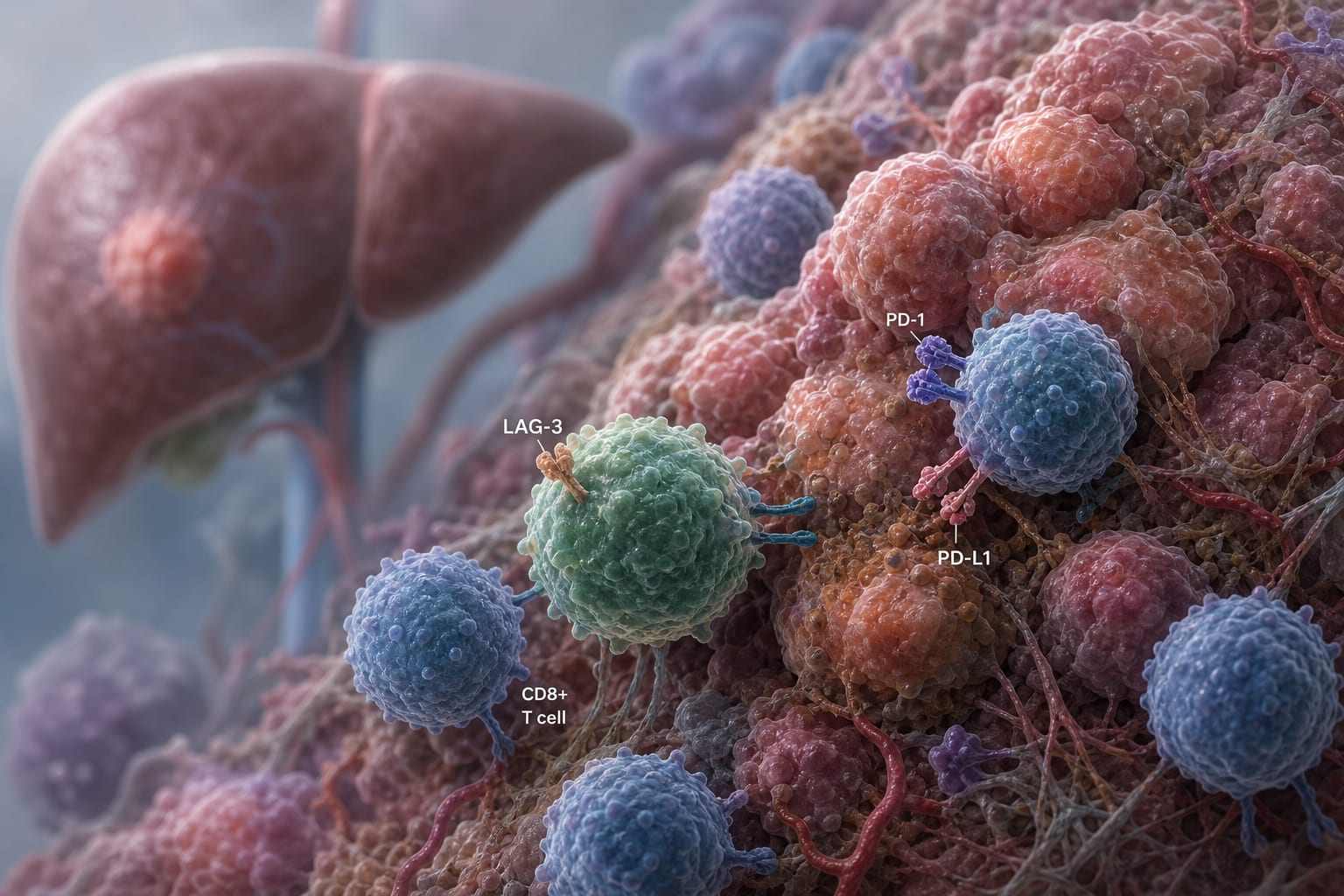
This study investigates LAG-3 as a prognostic biomarker in hepatocellular carcinoma (HCC) patients treated with Lenvatinib and anti-PD-1 antibodies. Key findings indicate that LAG-3 expression and immune microenvironment characteristics correlate with treatment outcomes.
Background
Hepatocellular carcinoma (HCC) is a leading cause of cancer-related mortality, often diagnosed at advanced stages. Current treatment strategies include the combination of targeted therapies and immunotherapy, which have shown improved survival rates. Identifying reliable prognostic biomarkers is crucial for optimizing treatment and patient stratification.
Data Highlights
Response
Number of Patients
Complete Response (CR)
1
Partial Response (PR)
23
Stable Disease (SD)
39
Progressive Disease (PD)
14
Key Findings
Age, cirrhosis status, and ECOG performance status are associated with treatment response.
High pan-immune-inflammation value (PIV) is an independent risk factor for overall survival (OS).
Low LAG-3+ cell counts correlate with improved OS.
Low CD8+LAG-3+ cell density is linked to better OS outcomes.
Low albumin levels and high neutrophil-to-lymphocyte ratio are independent prognostic factors for progression-free survival (PFS).
Clinical Implications
The findings indicate that LAG-3 and immune microenvironment characteristics may serve as prognostic indicators in HCC patients undergoing combination therapy.
Conclusion
LAG-3 may serve as a prognostic biomarker for survival benefits in HCC patients treated with Lenvatinib and anti-PD-1 antibodies.