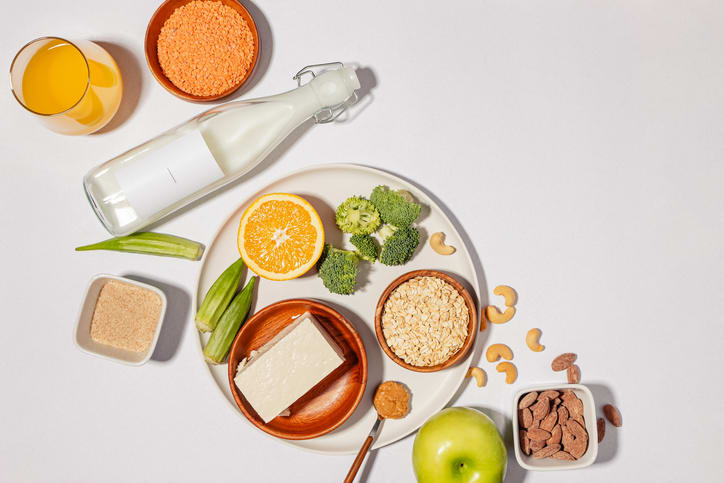
An analysis of more than 57,000 women found lower reported rates of recurrent urinary tract infection among vegetarians and vegans, but experts cautioned that the findings could not establish causation.
Clinical Report: Plant-Based Diets Linked to Fewer Recurrent UTIs
Overview
A study presented at the 2026 American Urological Association Annual Meeting found that women following plant-based diets reported lower rates of recurrent urinary tract infections (UTIs) compared to nonvegetarians. The analysis included over 57,000 women and indicated a significant association between dietary patterns and recurrent UTI prevalence.
Background
Recurrent urinary tract infections (UTIs) are a common issue among women, often leading to repeated antibiotic use. This study adds to the body of evidence exploring dietary influences on UTI prevalence.
Data Highlights
Diet Type
Recurrent UTI Rate
Nonvegetarian
14%
Pesco-vegetarian
14%
Lacto-ovo vegetarian
12%
Vegan
10%
Key Findings
Recurrent UTI prevalence was highest among nonvegetarians (14%) and lowest among vegans (10%).
Lacto-ovo vegetarians had a 23% lower odds of recurrent UTI compared to nonvegetarians.
Vegans had a 31% lower odds of recurrent UTI compared to nonvegetarians.
Diet remained significantly associated with recurrent UTI after adjusting for age, body mass index, race, diabetes, and menopausal status.
The study was observational and does not establish causation between diet and recurrent UTI risk.
Clinical Implications
The findings indicate that dietary patterns may be associated with the prevalence of recurrent UTIs among women.
Conclusion
This study presents findings on the association between plant-based diets and lower rates of recurrent UTIs in women, warranting further investigation.
Patients with preoperative vitamin D deficiency had higher postoperative pain scores and opioid use after mastectomy, including more than triple the odds of moderate to severe pain within 24 hours of surgery.