Radiomics-Based AI for the Diagnosis and Prognosis of Vessels Encapsulating Tumor Clusters in Hepatocellular Carcinoma: Systematic Review and Meta-Analysis - Report - MDSpire
Advertisement
Radiomics-Based AI for the Diagnosis and Prognosis of Vessels Encapsulating Tumor Clusters in Hepatocellular Carcinoma: Systematic Review and Meta-Analysis
Clinical Report: AI-Driven Radiomics for Assessing Diagnosis and Prognosis of Tumor Cluster-Encapsulating Vessels in Hepatocellular Carcinoma
Overview
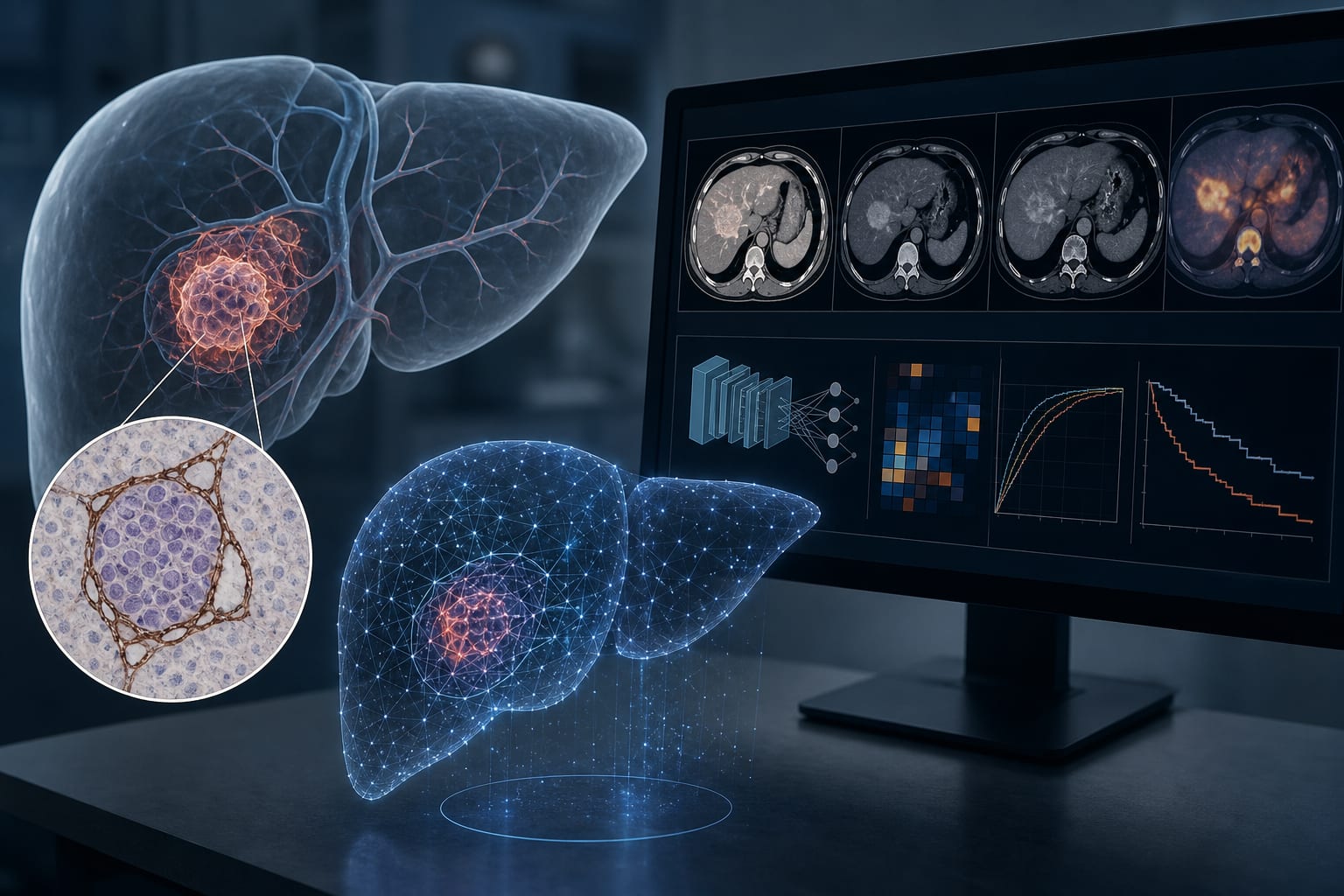
This comprehensive review and meta-analysis evaluates the efficacy of AI-driven radiomics in predicting the presence of vessels encapsulating tumor clusters (VETCs) in hepatocellular carcinoma (HCC).
Background
Hepatocellular carcinoma (HCC) is a leading cause of cancer-related mortality, with a high recurrence rate and limited treatment options. The identification of VETCs serves as a critical prognostic factor, influencing patient outcomes. Traditional diagnostic methods are invasive and limited.
Data Highlights
No numerical data available in the provided material.
Key Findings
VETC positivity is an independent poor prognostic factor in HCC, linked to higher recurrence rates.
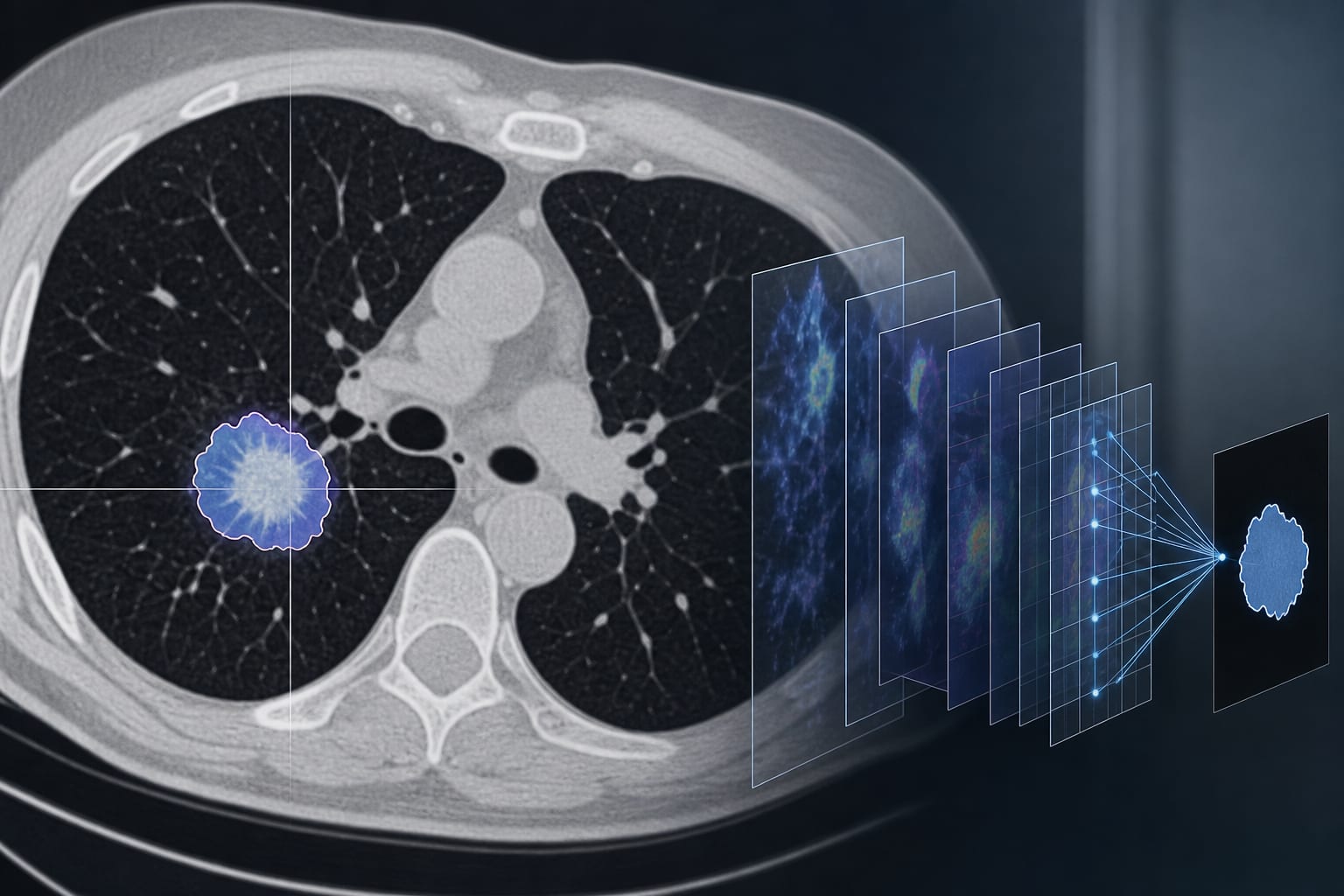
AI-based radiomics can predict VETC status.
Existing studies show variability in AI model performance.
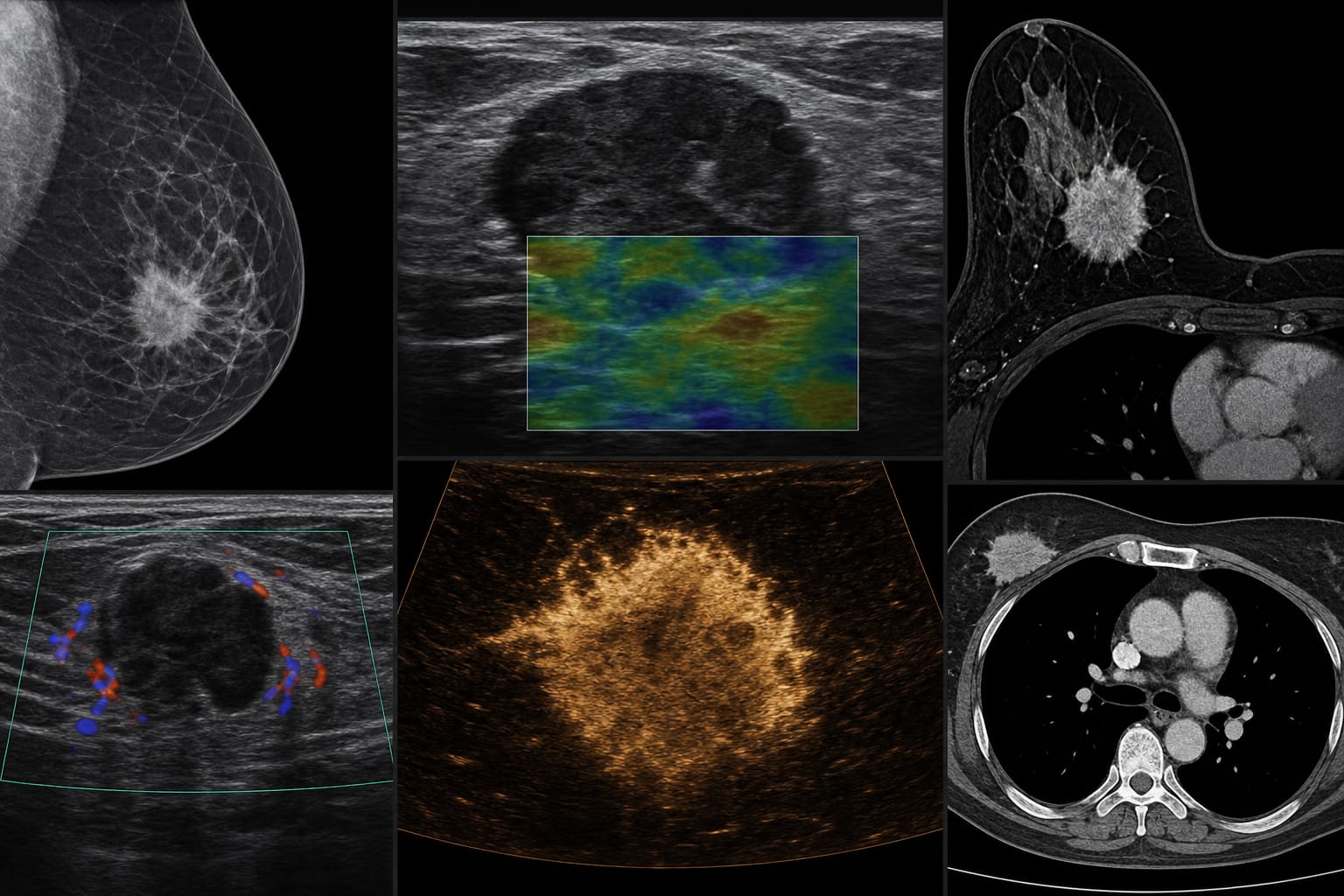
Traditional imaging methods have limitations due to tumor heterogeneity and subjective interpretation.
This review addresses gaps in previous studies by integrating various imaging modalities and methodological assessments.
Clinical Implications
The integration of AI-driven radiomics in clinical practice may enhance preoperative assessments for HCC.
Conclusion
AI-driven radiomics represents an advancement in the noninvasive assessment of VETCs in HCC.