Machine Learning and Deep Learning Models for Predicting Future Falls in Community-Dwelling Older Adults: Systematic Review and Meta-Analysis of Longitudinal Evidence - Report - MDSpire
Advertisement
Machine Learning and Deep Learning Models for Predicting Future Falls in Community-Dwelling Older Adults: Systematic Review and Meta-Analysis of Longitudinal Evidence
Clinical Report: Predictive Models Utilizing Machine Learning for Falls in Older Adults
Overview
This systematic review and meta-analysis evaluates the efficacy of machine learning and deep learning models in predicting falls among community-dwelling older adults. The findings suggest that these advanced predictive models can enhance early identification of high-risk individuals, potentially improving fall prevention strategies.
Background
Falls are a significant health concern for older adults, with a substantial percentage experiencing falls annually, leading to serious injuries and decreased quality of life. Traditional assessment tools often fail to capture the multifactorial nature of fall risk, necessitating more sophisticated predictive approaches. Machine learning and deep learning methods present an opportunity to improve fall risk prediction by integrating diverse data sources and complex relationships among risk factors.
Data Highlights
No specific numerical data was provided in the source material.
Key Findings
Approximately 26% of older adults globally experience at least one fall each year.
Traditional fall risk assessment tools may not adequately identify high-risk individuals due to their reliance on predefined indicators.
Machine learning models can accommodate nonlinear relationships and high-dimensional predictors, improving predictive performance.
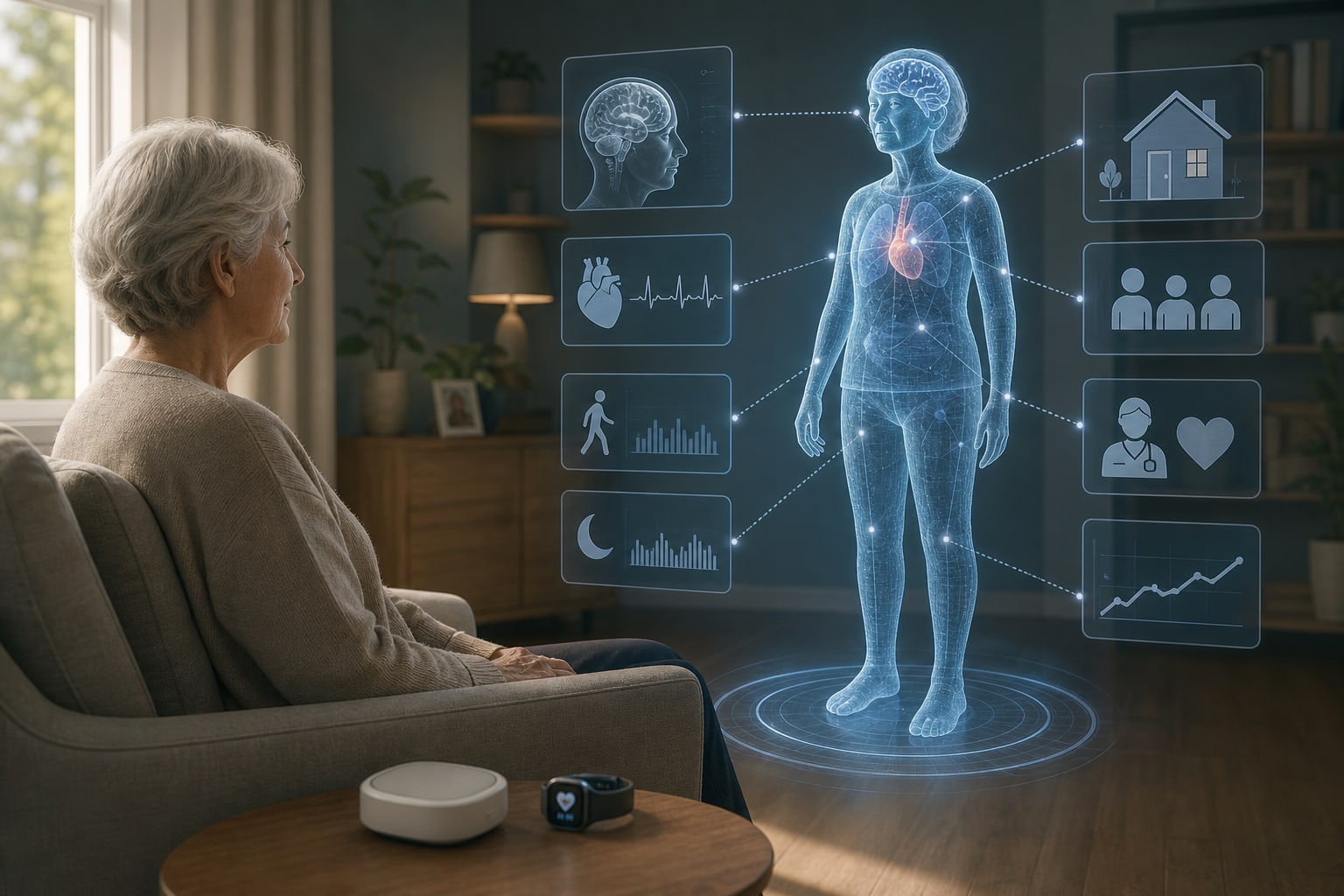
Deep learning methods can leverage complex data types, such as wearable sensor data, for enhanced fall risk prediction.
Effective early identification of high-risk individuals is crucial for implementing timely fall prevention strategies.
Clinical Implications
Healthcare providers should consider integrating machine learning and deep learning models into fall risk assessment protocols to enhance early identification of at-risk older adults. This approach may lead to more personalized and effective fall prevention strategies, ultimately reducing the incidence of falls and associated injuries.
Conclusion
The application of machine learning and deep learning in predicting falls among older adults holds promise for improving clinical outcomes. Continued research and validation of these models are essential for their successful implementation in community settings.