Functional ultrasound assessment of cerebral blood flow and brain connectivity in a pilocarpine-induced acute epileptic seizures in mice - Report - MDSpire
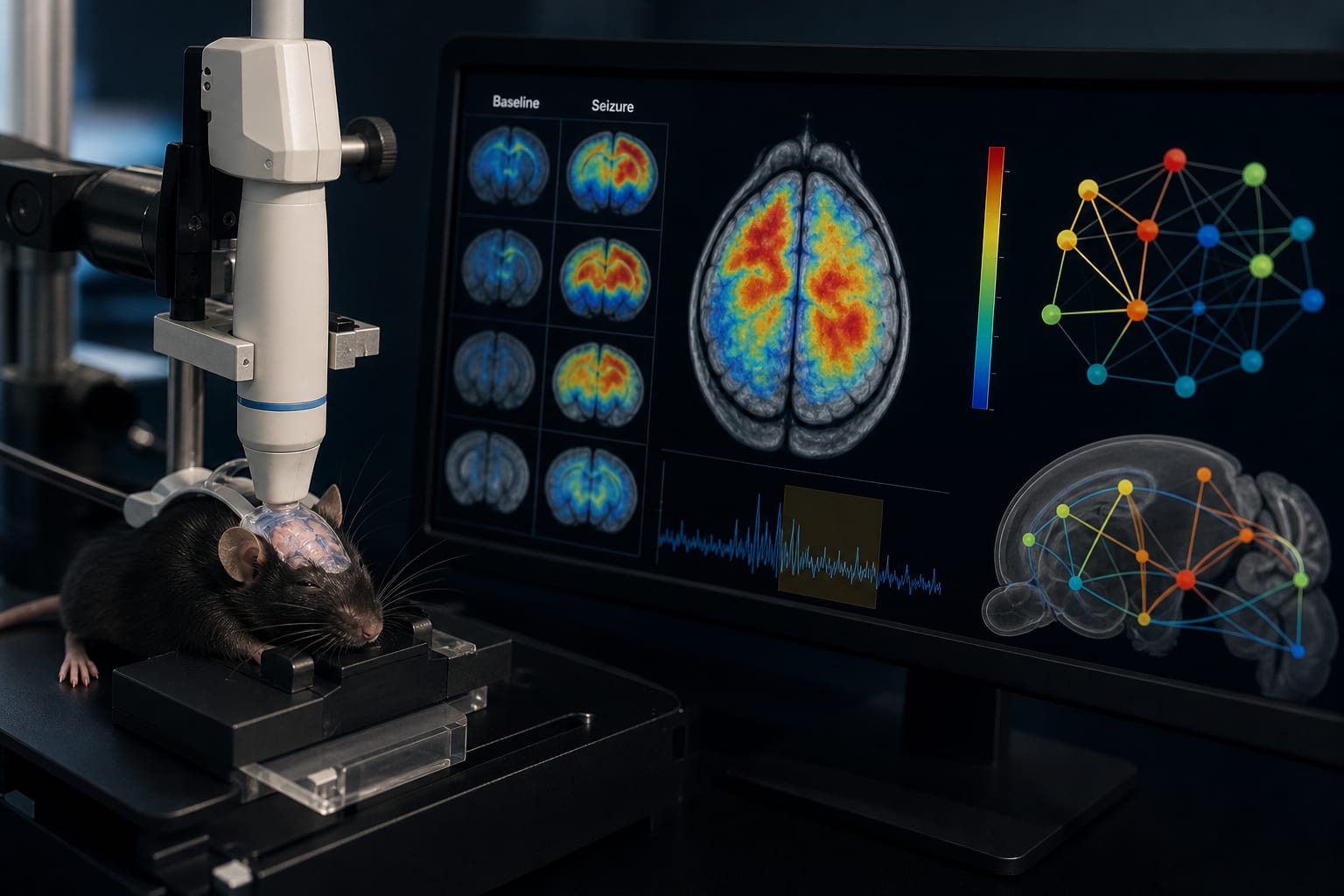
Evaluation of Cerebral Blood Flow and Brain Connectivity Using Functional Ultrasound in Mice with Pilocarpine-Induced Acute Seizures
Overview
This study utilized functional ultrasound imaging to assess changes in cerebral blood volume and brain connectivity during acute seizures in a mouse model of temporal lobe epilepsy. Findings indicate heterogeneous alterations in blood flow across brain regions and modifications in global brain functional connectivity.
Background
Temporal lobe epilepsy (TLE) is a prevalent form of pharmaco-resistant epilepsy, lacking effective curative treatments. Understanding the dynamics of cerebral blood flow (CBF) and blood volume (CBV) during seizures is crucial, as these factors may influence seizure activity and treatment responses. This study aims to clarify the relationship between CBV changes and brain connectivity during acute seizure states.
Data Highlights
No numerical data or trial data presented in the article.
Key Findings
Most brain regions showed changes in relative cerebral blood volume (rCBV) during acute seizures.
All epilepsy-related brain regions, except the intermediodorsal nucleus of the thalamus and striatum, exhibited an initial increase followed by a decrease in rCBV.
The reticular nucleus of the thalamus displayed earlier rCBV changes compared to other nuclei.
Global brain functional connectivity underwent distinct modifications during the acute seizure state.
These findings suggest a remodeling of brain functional connectivity associated with seizure activity.
Clinical Implications
The study highlights the importance of monitoring cerebral blood flow dynamics in understanding seizure mechanisms. These insights may inform future therapeutic strategies aimed at restoring normal blood flow and connectivity in patients with TLE.
Conclusion
The research demonstrates significant alterations in cerebral blood volume and functional connectivity during acute seizures, emphasizing the need for further exploration of these dynamics in epilepsy management.
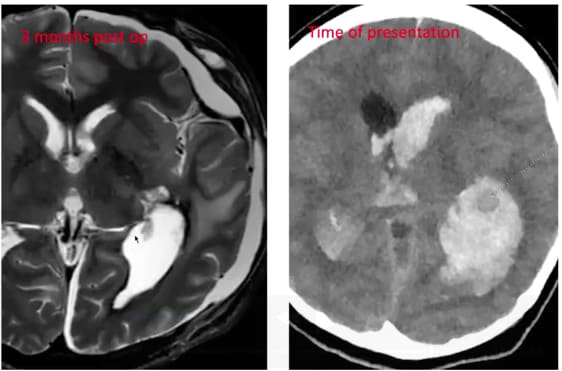
This Neuroscience Grand Rounds session, led by Muhammad Osama, MD, provides a pediatric neurosurgeon’s perspective on arteriovenous malformations (AVMs) in children, rare but high-risk vascular lesions that can lead to seizures, neurological deficits, or life-threatening hemorrhage.