Investigation of bioimpedance as a method for wearable noninvasive bladder volume measurements in individuals with spinal cord injury or disease: protocol of a feasibility study - Report - MDSpire
Advertisement
Investigation of bioimpedance as a method for wearable noninvasive bladder volume measurements in individuals with spinal cord injury or disease: protocol of a feasibility study
Clinical Report: Exploring Bioimpedance for Bladder Volume Assessment
Overview
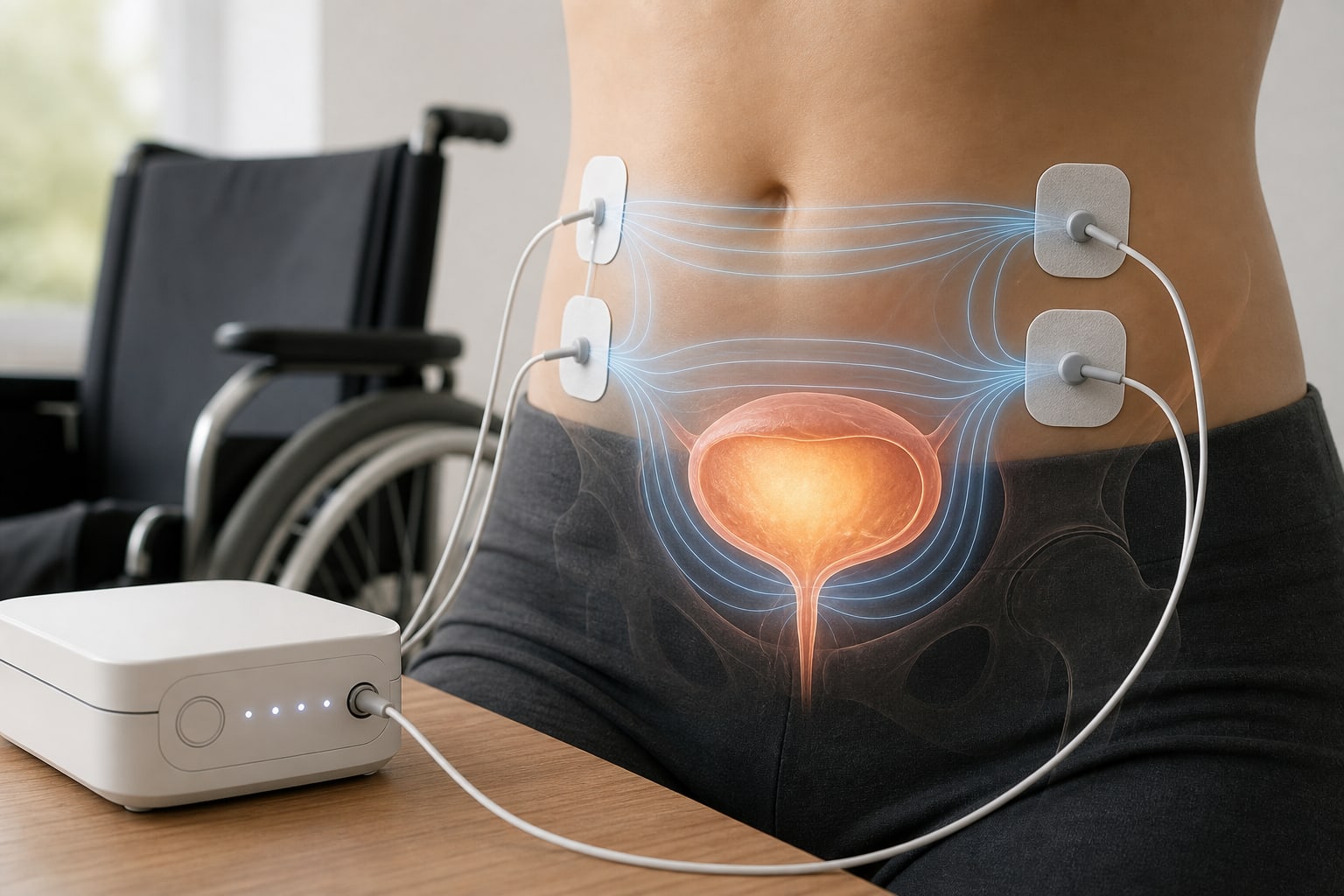
This feasibility study investigates the use of bioimpedance technology for noninvasive bladder volume assessment in patients with spinal cord injury or disease. The study aims to validate bioimpedance measurements against catheterization, potentially improving bladder management for individuals with neurogenic lower urinary tract dysfunction.
Background
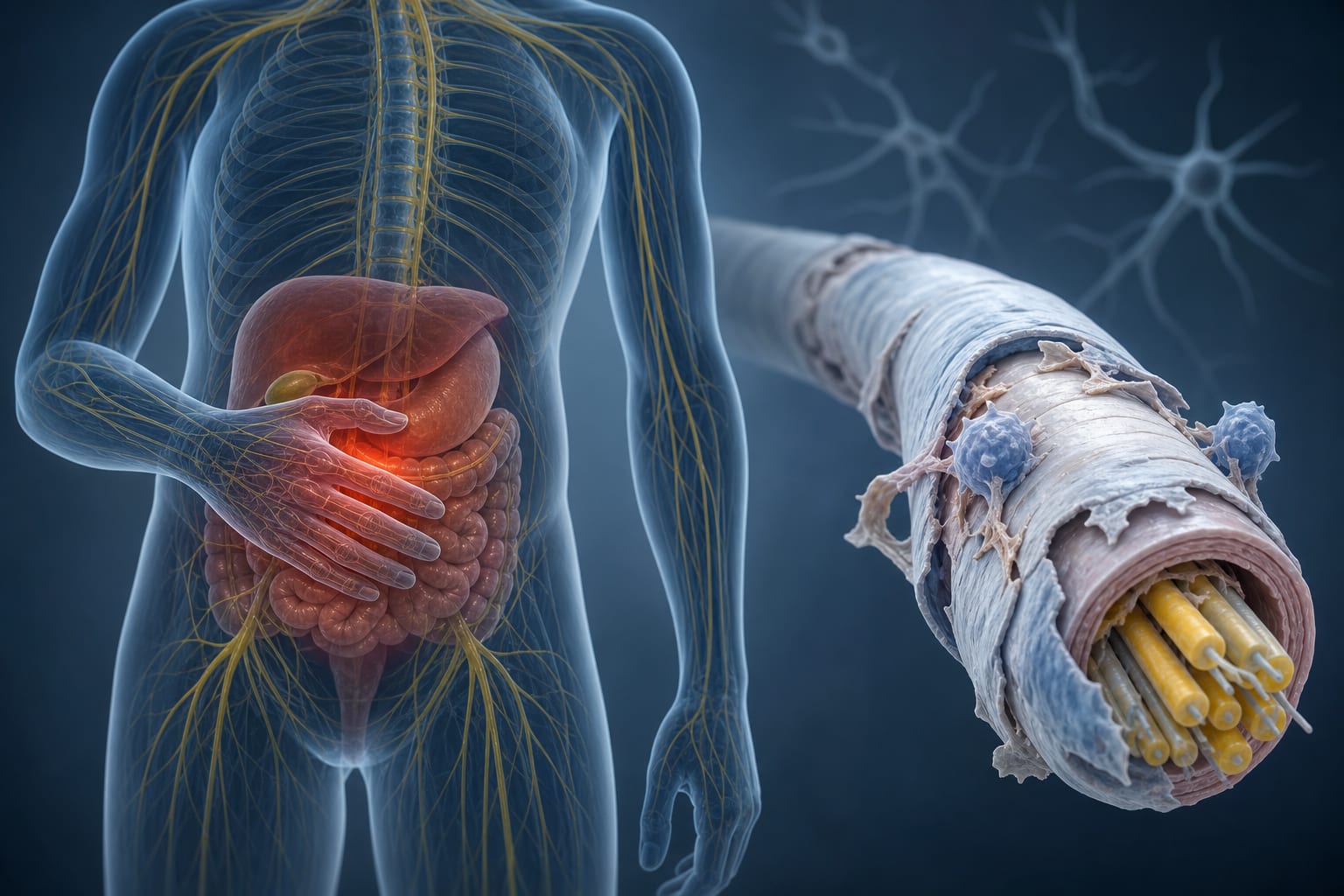
Neurogenic lower urinary tract dysfunction (NLUTD) is a common complication of spinal cord injury or disease, affecting a significant portion of this population. Effective bladder management is crucial to prevent complications such as urinary incontinence and recurrent urinary tract infections. Current methods, including intermittent catheterization, can be impractical, highlighting the need for innovative, noninvasive monitoring solutions.
Data Highlights
This study will enroll 60 participants across three phases, focusing on the feasibility of a bioimpedance sensor in measuring bladder volume compared to catheterization.
Key Findings
NLUTD affects approximately 70-84% of individuals with spinal cord injury or disease.
Intermittent catheterization is the recommended first-line management for those unable to empty their bladder effectively.
Bioimpedance technology offers a noninvasive method to continuously monitor bladder volume.
The study will assess the impact of abdominal adiposity and muscle activity on bioimpedance measurements.
Phase 3 will evaluate the usability of a wearable bioimpedance device during real-life scenarios.
Clinical Implications
The findings from this study could lead to improved bladder management strategies for individuals with SCI/D, reducing the risk of complications associated with bladder overdistension. If validated, bioimpedance technology may serve as a practical alternative to current bladder volume assessment methods.
Conclusion
This feasibility study aims to establish the effectiveness of bioimpedance technology for bladder volume monitoring in patients with spinal cord injury or disease, potentially transforming bladder management practices.