Clinical Report: Myocarditis Induced by Immune Checkpoint Inhibitors
Overview
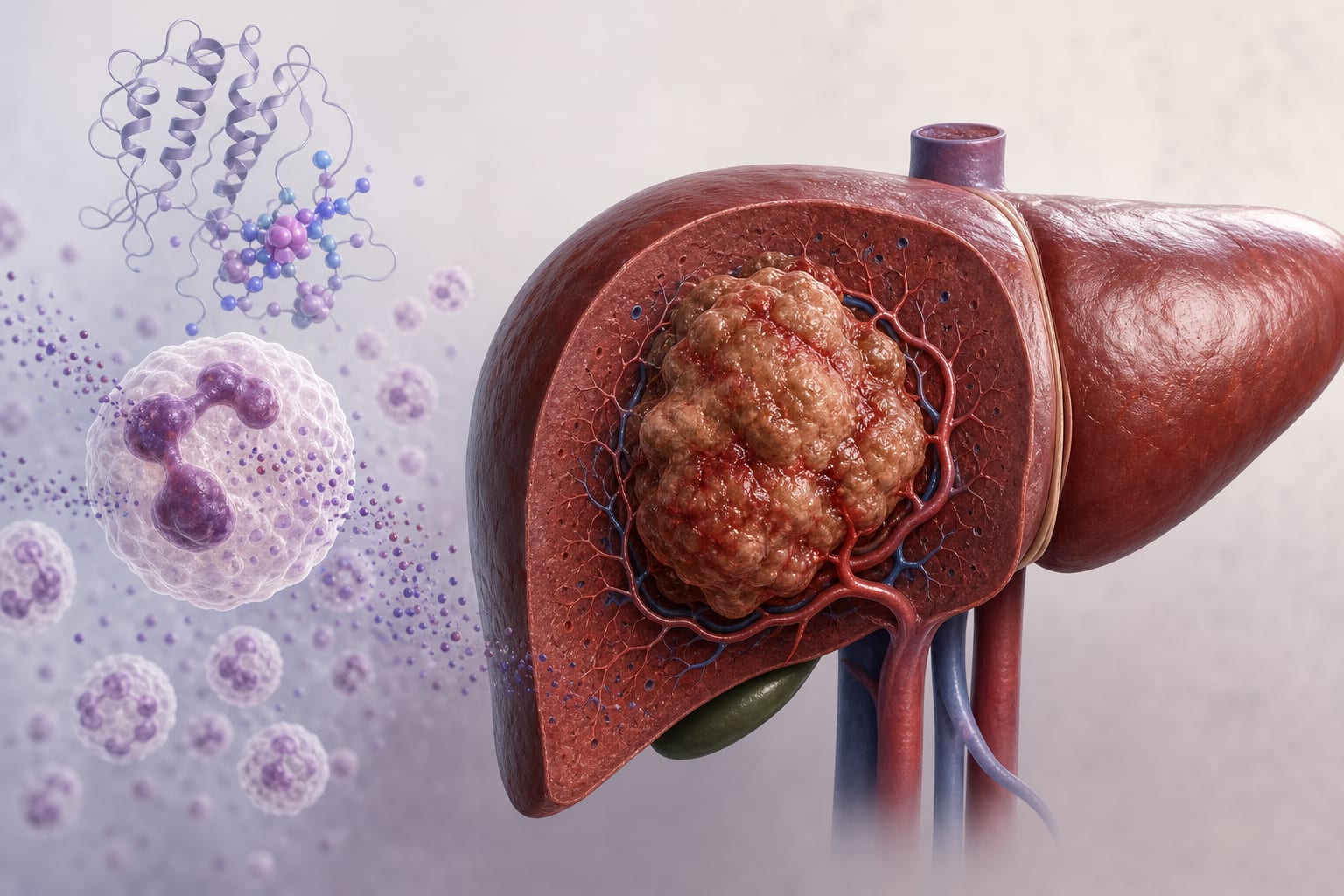
This report details a case of myocarditis in a 56-year-old man with hepatocellular carcinoma following PD-1 inhibitor therapy. Diagnosis was confirmed through cardiac imaging and biopsy, with significant improvement noted after corticosteroid treatment.
Background
Immune checkpoint inhibitors (ICIs) have revolutionized cancer treatment, particularly for hepatocellular carcinoma (HCC). However, they can lead to serious immune-related adverse events, including myocarditis, which is associated with high morbidity and mortality. Understanding the clinical implications of ICI-related myocarditis is crucial for improving patient outcomes.
Data Highlights
No numerical data available.
Key Findings
A 56-year-old male developed myocarditis after two cycles of sintilimab.
Diagnosis was confirmed via cardiac magnetic resonance imaging and endomyocardial biopsy.
Initial ECG changes included complete left bundle branch block and prolonged QRS duration.
Cardiac imaging revealed myocardial edema and left ventricular enlargement.
High-dose corticosteroids led to significant clinical improvement.
Clinical Implications
Healthcare professionals should be vigilant for signs of myocarditis in patients receiving ICIs, particularly those with pre-existing cardiovascular conditions. Early detection and prompt management with corticosteroids can improve patient outcomes significantly.
Conclusion
This case underscores the importance of monitoring for myocarditis in patients undergoing ICI therapy for HCC, highlighting the need for early intervention to mitigate risks.