Can resistance training alone or resistance training combined with aerobic training improve arterial stiffness, endothelial function, and other vascular function indicators in adults with hypertension or overweight/obesity-related vascular risk? A systematic review and meta-analysis of randomized controlled trials - Report - MDSpire
Advertisement
Can resistance training alone or resistance training combined with aerobic training improve arterial stiffness, endothelial function, and other vascular function indicators in adults with hypertension or overweight/obesity-related vascular risk? A systematic review and meta-analysis of randomized controlled trials
Clinical Report: Effects of Resistance Training on Vascular Function in Adults
Overview
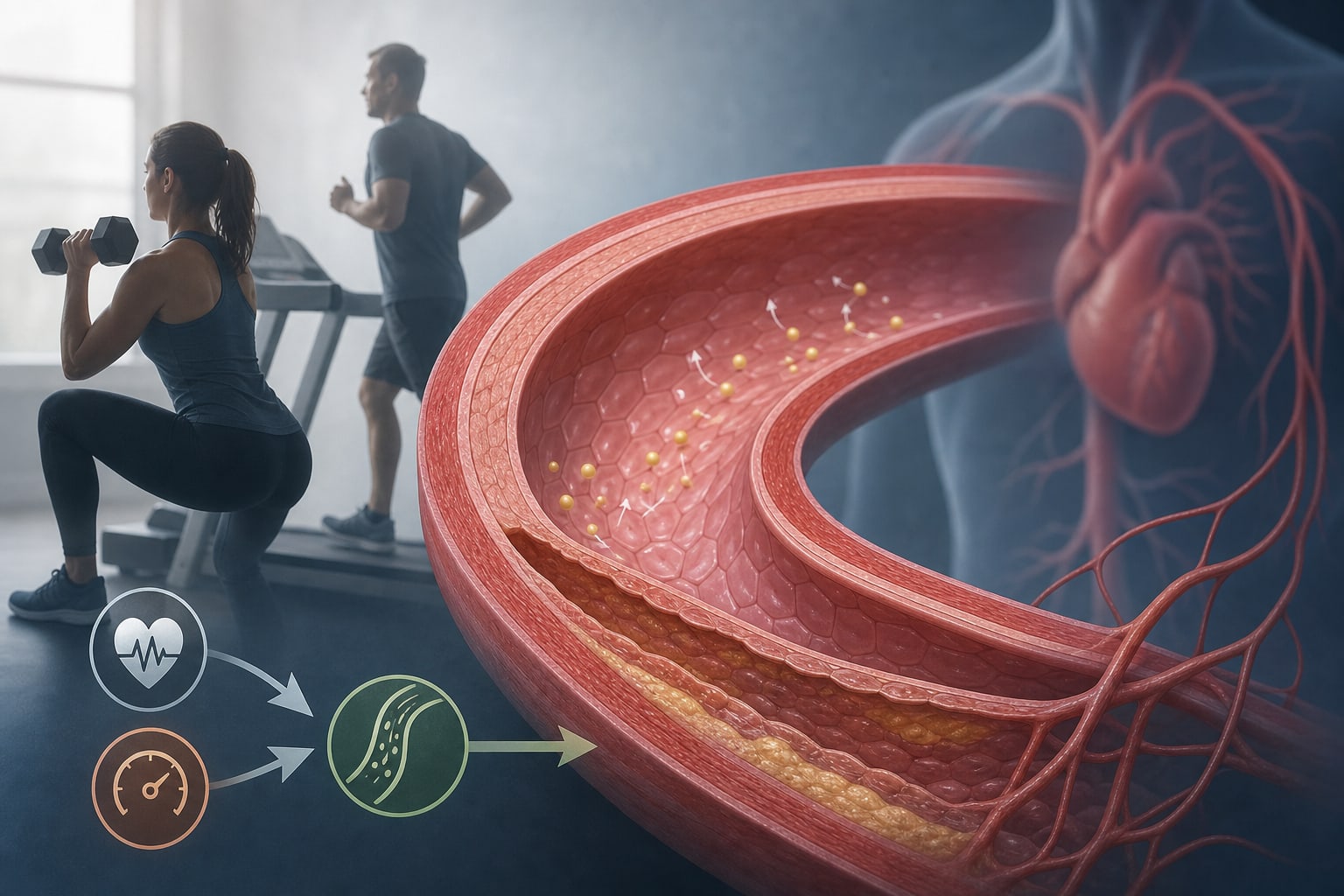
This systematic review and meta-analysis found that resistance training, either alone or combined with aerobic exercise, significantly reduced arterial stiffness and improved flow-mediated dilation (FMD) in adults with hypertension or obesity-related vascular risk.
Background
Hypertension is a major modifiable cardiovascular risk factor, contributing to various cardiovascular diseases. The rising prevalence of obesity further complicates vascular health, as excess body weight is a significant driver of hypertension and vascular dysfunction.
Data Highlights
Outcome
Effect Size (g)
95% CI
p-value
Arterial Stiffness
-0.18
-0.33 to -0.04
0.01
Flow-Mediated Dilation (FMD)
0.70
0.41 to 0.99
<0.0001
Key Findings
Resistance training significantly reduced arterial stiffness (g = -0.18, p = 0.01).
Resistance training improved flow-mediated dilation (FMD) (g = 0.70, p < 0.0001).
Potential publication bias or small-study effects were detected for FMD findings.
No significant effect was observed for wave reflection indices.
Evidence for peripheral hemodynamic outcomes was insufficient.
Clinical Implications
Healthcare professionals should consider incorporating resistance training into exercise prescriptions for adults with hypertension or obesity-related vascular risk. However, the potential for publication bias in FMD results necessitates cautious interpretation of these findings.
Conclusion
Further research is needed to clarify the robustness of these findings and the optimal exercise prescriptions.