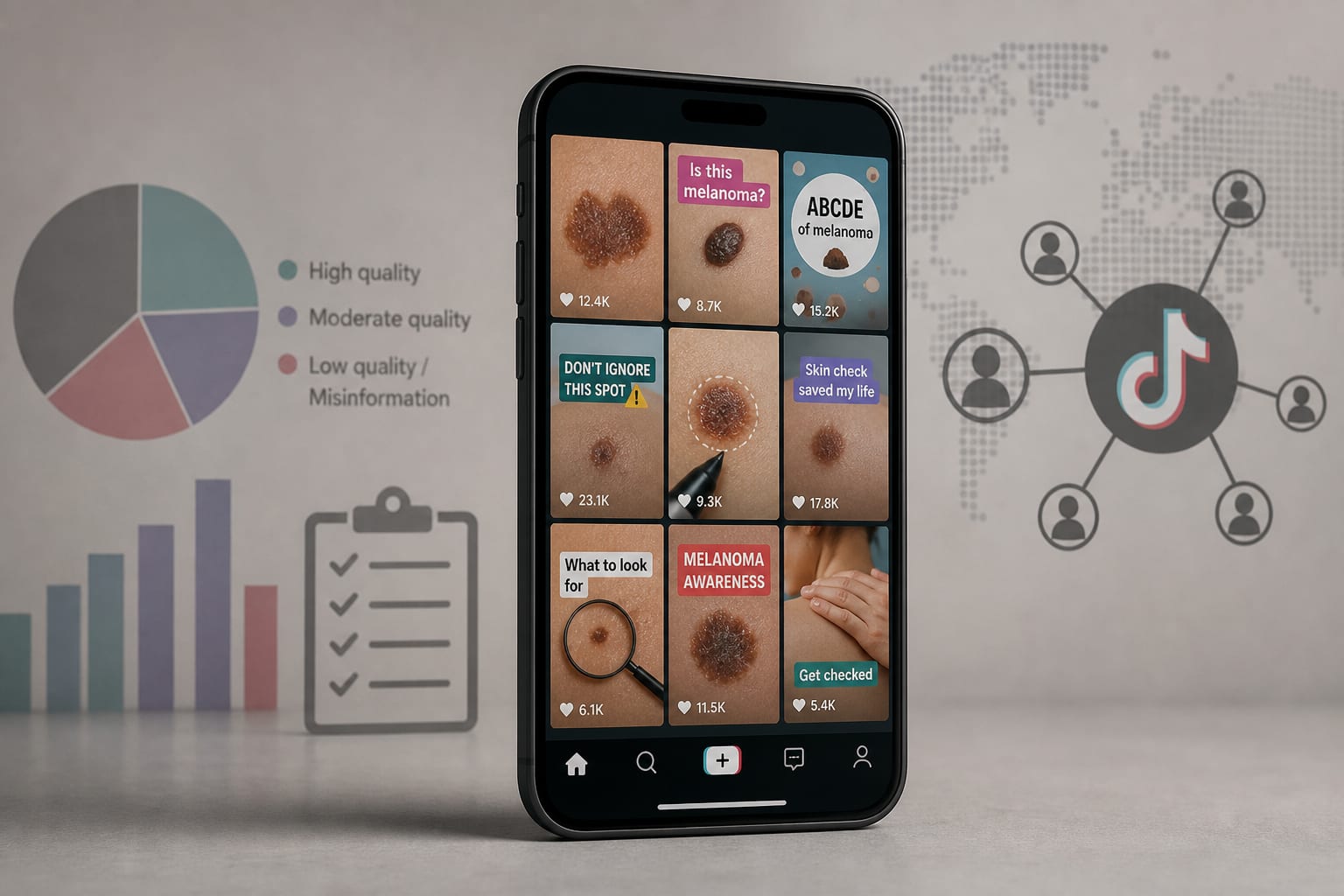
Essential Information for Parents Regarding Childhood Moles
-
By
-
E. Meryl Shychuk
-
Elyse M. C. Harris
-
Lindsay A. Thompson
-
May 1, 2026
Clinical Report: Essential Information for Parents Regarding Childhood Moles
Overview
This report provides essential information for parents about childhood moles, including their characteristics and when to seek dermatological evaluation. It emphasizes the importance of monitoring changes in moles to prevent potential melanoma development, particularly focusing on the types of moles and their associated risks.
Background
Moles, or nevi, are common skin growths in children that can appear at birth or develop during childhood and adolescence. While most moles are benign, certain changes can indicate a risk for melanoma, a rare but serious skin cancer in children. Understanding the types of moles—common, congenital, and dysplastic—and their characteristics is crucial for early detection and intervention.
Data Highlights
No numerical or trial data provided in the source material.
Key Findings
- Common moles are typically smaller than 5 mm, evenly colored, and smooth.
- Congenital nevi are present at birth and require close monitoring due to a potential risk of melanoma.
- Dysplastic nevi are larger than 5 mm, have irregular borders, and can have multiple colors, indicating a higher risk for melanoma.
- Signs that necessitate a dermatologist evaluation include rapid growth, color changes, bleeding, and large size.
- Excessive sun exposure is a significant risk factor for skin cancer, making sun protection essential, including wearing sunscreen, protective clothing, and avoiding peak sun hours.
Clinical Implications
Healthcare providers should educate parents on the characteristics of benign moles and the importance of monitoring for changes. Regular dermatological evaluations may be warranted for atypical moles or those with concerning features, particularly if they exhibit rapid growth or color changes.
Conclusion
Early detection and monitoring of moles in children are vital for preventing melanoma. Parents should be proactive in seeking dermatological advice when changes in moles occur and should implement sun protection measures to reduce the risk of skin cancer.
Related Resources & Content
- HealthyChildren.org, HealthyChildren.org, 2023 -- Moles in Children: When They Appear and What Parents Should Watch
- PedsDerm.net, PedsDerm.net, 2023 -- Congenital Melanocytic Nevi
- Merck Manual, Merck Manual Professional Edition, 2023 -- Nevi (Moles)
- The ASCO Post — Does Disclosing Maternal
- Journal of Neuro-Oncology — Clinical Characteristics of Adolescents and Young Adults (Ages 10–24) Diagnosed with Brain Tumors: Findings from the Global MOBI-Kids Research Initiative
- the asco post — Melanoma Among Adult Survivors of Childhood Cancer
- The ASCO Post — Educating Young People on Sun-Safe Behaviors and Reducing the Risk of Melanoma INDOOR TANNING: FAST FACTS Related Articles
- Moles in Children: When They Appear and What Parents Should Watch - HealthyChildren.org
- https://pedsderm.net/site/assets/files/1028/spd_cmn_bw.pdf
- Nevi (Moles) - Dermatology - Merck Manual Professional Edition
Based on findings from:
What Parents Need to Know About Moles in Children
E. Meryl Shychuk, Elyse M. C. Harris, Lindsay A. Thompson. Jama Pediatrics, 2026.
https://jamanetwork.com/journals/jamapediatrics/fullarticle/2846794
This content is an AI-generated, fully rewritten summary based on a published scholarly article. It does not reproduce the original text and is not a substitute for the original publication. Readers are encouraged to consult the source for full context, data, and methodology.