Clinical Report: Evaluating Teletherapy's Impact on Developmental Language Disorder
Overview
This study evaluates the effectiveness of teletherapy for children aged 2-5 years with developmental language disorder (DLD) in India. Results indicate improvements in language skills and high parental satisfaction.
Background
Developmental language disorder (DLD) affects children's language acquisition despite normal cognitive abilities. Early intervention through speech therapy is crucial, yet access to such services can be limited, particularly in rural areas of India. Teletherapy has emerged as a potential solution to enhance accessibility and provide necessary support for children with DLD.
Data Highlights
The study involved ten children diagnosed with DLD, who underwent a structured teletherapy intervention. Improvements were noted in both expressive and receptive language skills post-intervention.
Key Findings
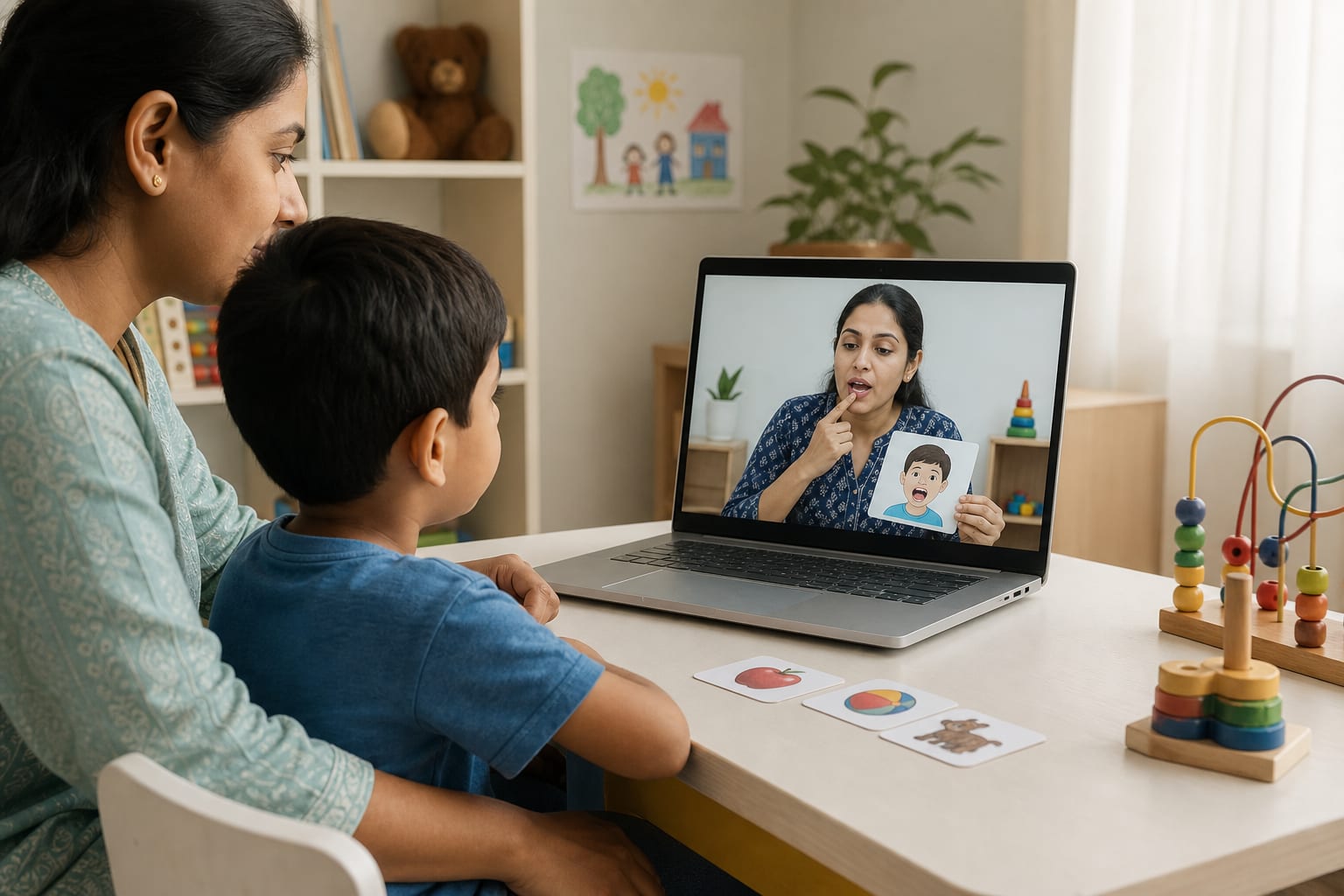
Teletherapy was delivered via video calls, incorporating language stimulation strategies.
Participants showed significant improvements in expressive and receptive language skills.
Parents reported high satisfaction with the convenience and accessibility of teletherapy.
Challenges included technological issues and increased demands on caregivers, but these did not hinder progress.
Clinical Implications
Teletherapy may provide a feasible alternative for delivering speech therapy to children with DLD, especially in underserved areas. Clinicians should consider integrating teletherapy into their practice to improve access to care.
Conclusion
The findings suggest that teletherapy can effectively support language development in children with DLD, warranting further investigation to establish its efficacy compared to traditional therapy.