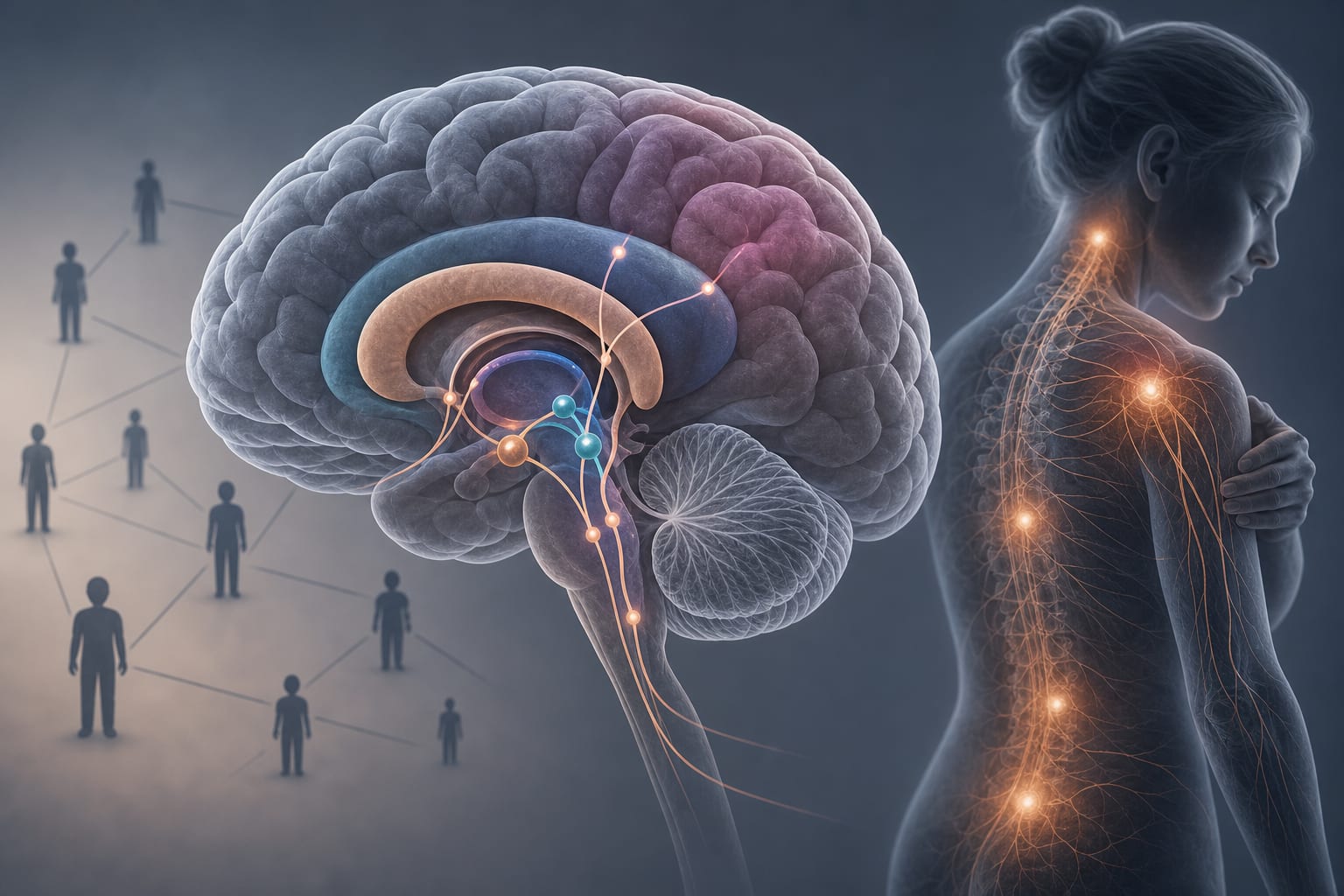
Clinical Report: Evaluating the Diagnostic Precision of Blast-Related TBI
Overview
This systematic review and meta-analysis evaluated diagnostic approaches for primary blast-induced traumatic brain injury (bTBI), revealing high diagnostic accuracy across various methods.
Background
Primary blast-induced TBI is a significant concern among service members, accounting for over 20% of TBI cases on the battlefield. The unique nature of blast injuries necessitates tailored diagnostic approaches to ensure timely and effective treatment.
Data Highlights
Metric
Pooled Value
95% Confidence Interval
Sensitivity
0.93
0.81–0.97
Specificity
0.90
0.80–0.95
AUC
0.96
0.94–0.98
Key Findings
The pooled sensitivity for diagnostic methods was 0.93.
The pooled specificity was 0.90.
The area under the curve (AUC) was 0.96, indicating high diagnostic accuracy.
Biomarker-based and neuroimaging approaches were effective but less accessible in acute battlefield scenarios.
The BATL-2 instrument was identified as the most effective structured clinical review tool for bTBI.
Clinical Implications
Clinicians should consider the context of care when selecting diagnostic tools for bTBI, particularly in acute settings. The findings suggest a need for rapid, non-invasive diagnostic methods to improve patient outcomes in emergency situations.
Conclusion
The review demonstrates high diagnostic accuracy of existing methods for primary bTBI.