Clinical Report: An Immunotranscriptomic Signature Linked to Hemoglobin in Osteoarthritis Cartilage Identified by LOXL1, THY1, and TYMS Markers
Overview
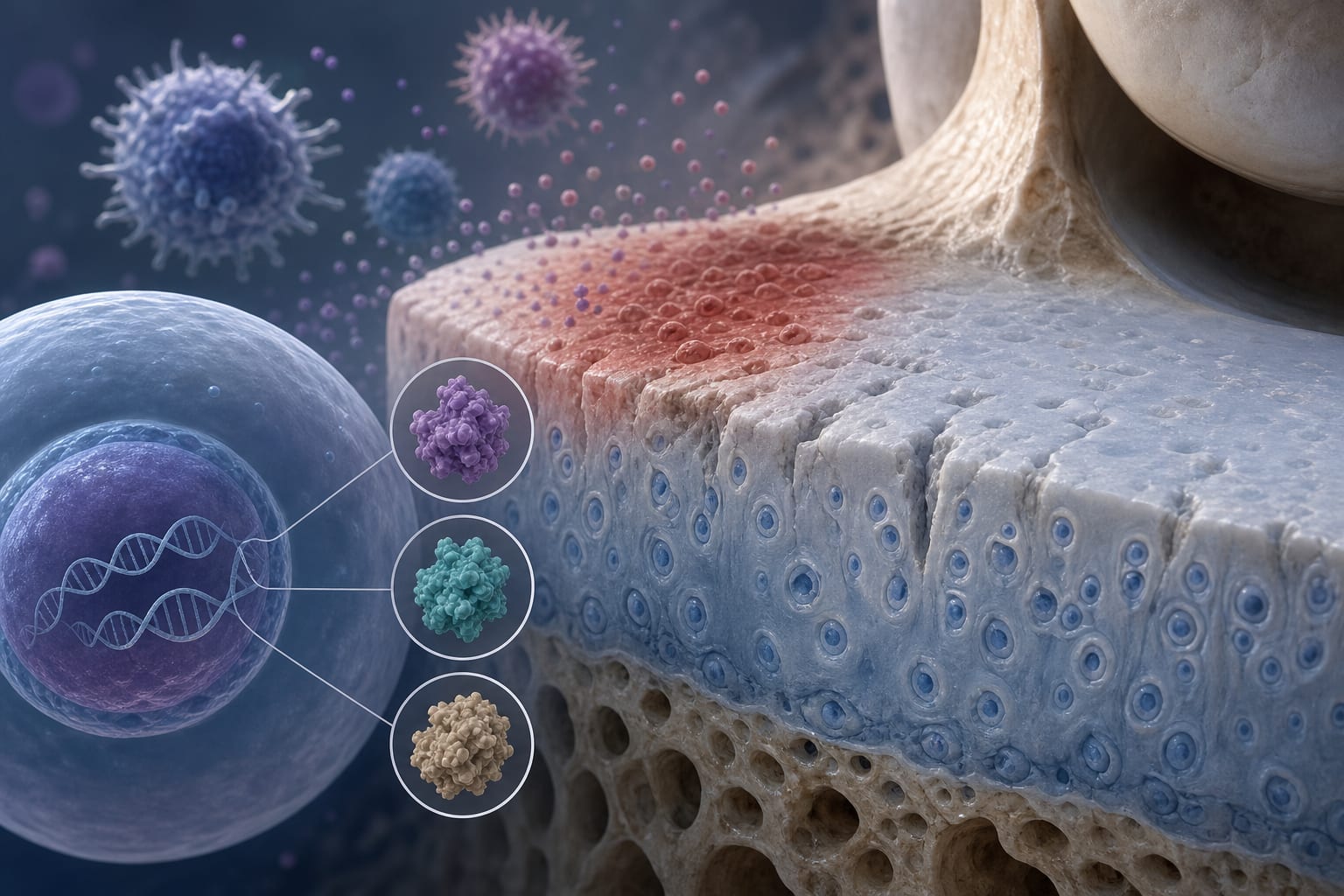
This study identifies LOXL1, THY1, and TYMS as Hb-associated transcriptomic biomarkers in osteoarthritis (OA) cartilage. Their expression correlates with immune-related transcriptomic features.
Background
Osteoarthritis (OA) is a prevalent degenerative joint disease characterized by cartilage degeneration and chronic inflammation. Understanding the molecular mechanisms linking immune dysregulation and chondrocyte biology is crucial for developing effective biomarkers and therapeutic strategies. Recent studies have highlighted the role of non-erythroid hemoglobin in chondrocyte adaptation to hypoxia.
Data Highlights
No numerical data or trial data presented in the article.
Key Findings
LOXL1, THY1, and TYMS were identified as hub genes consistently upregulated in OA cartilage.
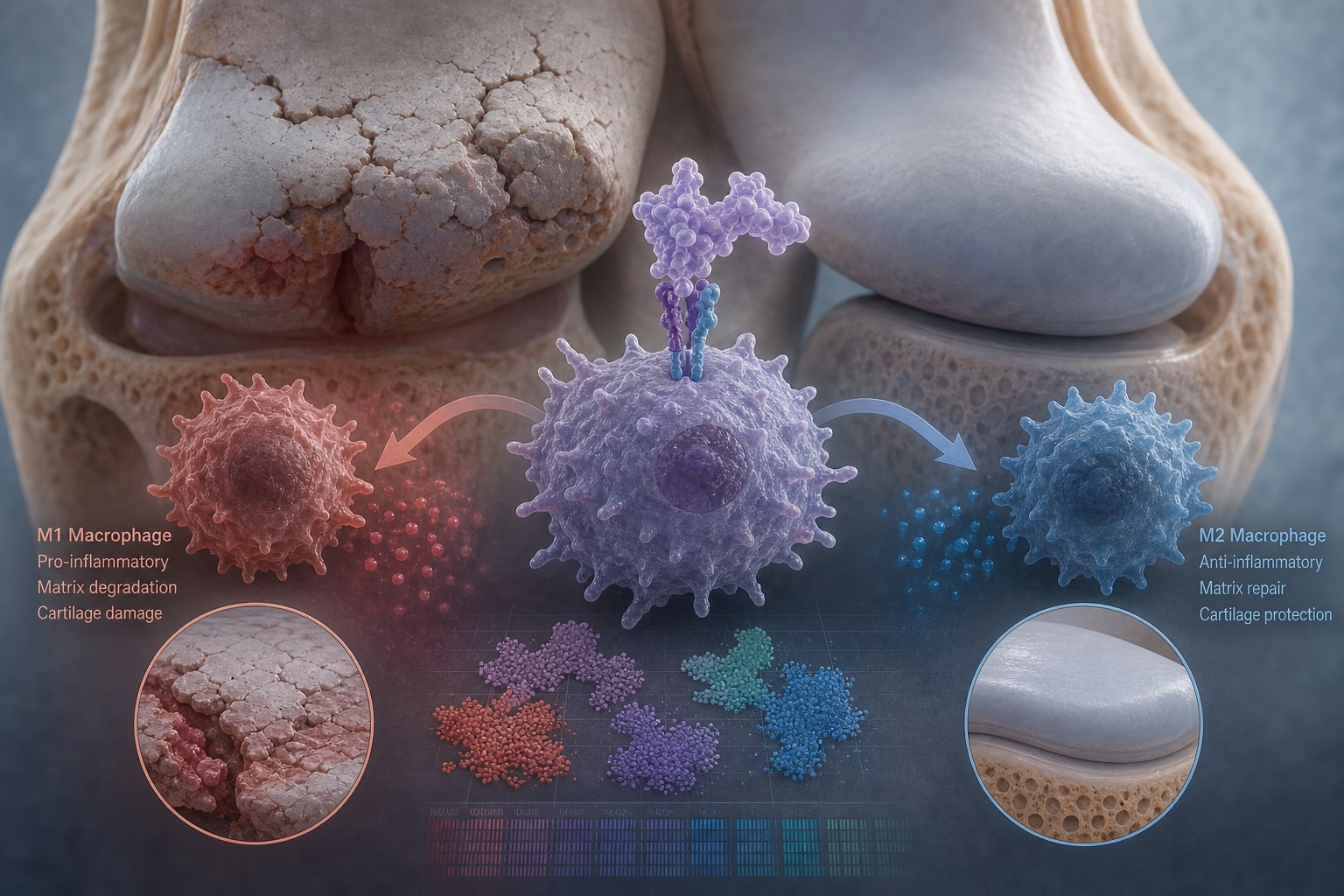
Immune profiling indicated an immune-activated state in OA cartilage with increased macrophage signals.
Expression of Hb-associated hub genes correlated positively with macrophage and activated T-cell signatures.
A nomogram based on these genes demonstrated high discriminative performance with an AUC of 0.974 in the training cohort.
Experimental validation using qRT-PCR confirmed the inflammatory inducibility of LOXL1, THY1, and TYMS in chondrocytes.
Clinical Implications
The identification of LOXL1, THY1, and TYMS as biomarkers may aid in understanding the immune mechanisms involved in OA.
Conclusion
The study establishes a link between hemoglobin-associated gene expression and immune remodeling in OA cartilage.