Clinical Report: Insights into Mucosal Immunology in Paratuberculosis
Background
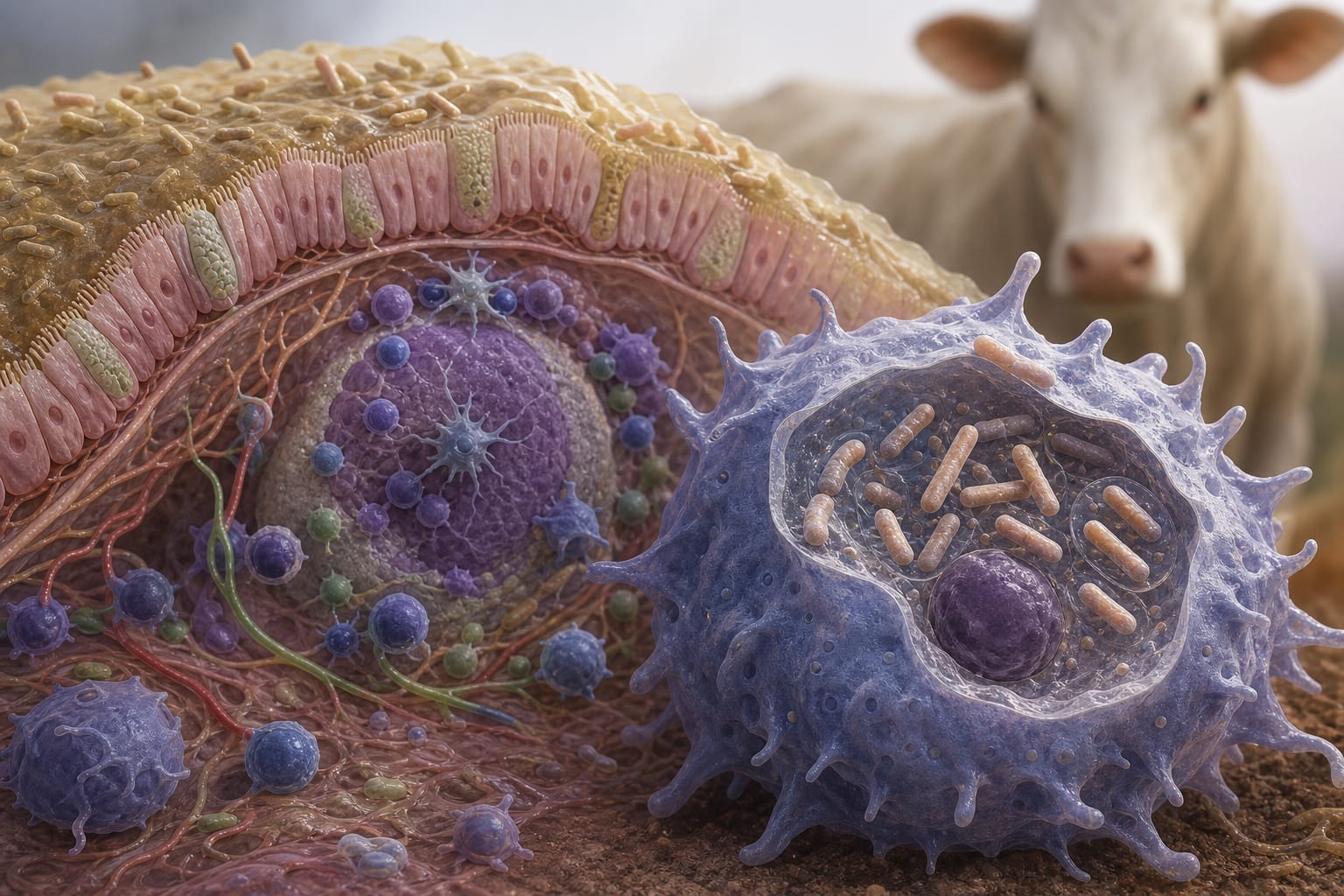
Johne's disease, caused by Mycobacterium avium subsp. paratuberculosis (MAP), leads to chronic enteric infections in ruminants, significantly impacting animal health and productivity. The disease is often asymptomatic in early stages, complicating detection and control efforts. Understanding mucosal immune responses is essential for developing effective vaccines against this persistent infection.
Data Highlights
No numerical data or trial data provided in the source material.
Key Findings
MAP establishes persistent intestinal infections in ruminants, leading to Johne's disease.
Infection typically occurs early in life through contaminated milk, feed, or water.
MAP can evade immune responses by modulating macrophage functions and impairing antigen presentation.
Current vaccines provide partial protection but show variability in immune responses across intestinal regions.
Significant knowledge gaps exist in understanding mucosal immunity to MAP, hindering vaccine development.
Clinical Implications
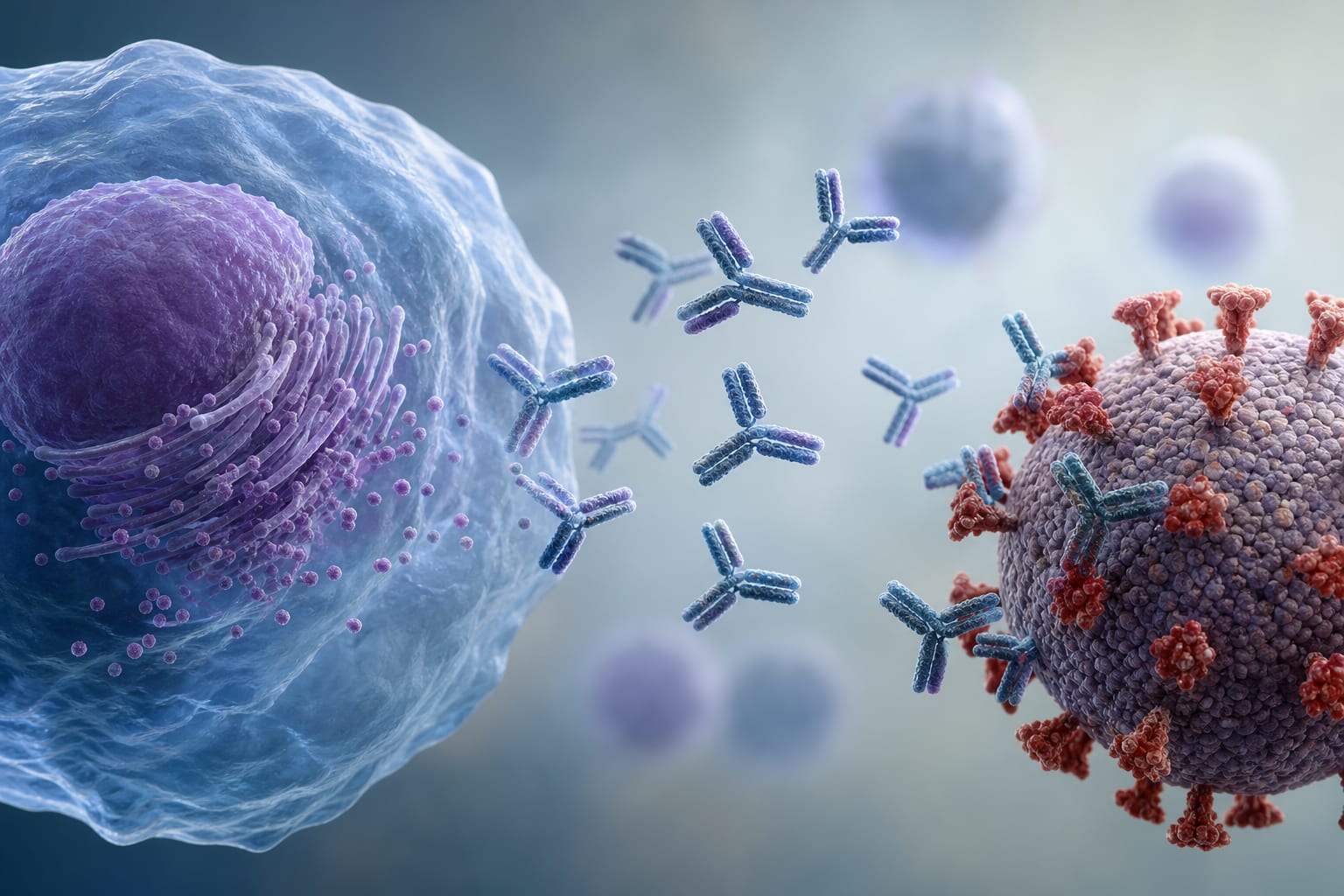
A comprehensive understanding of mucosal immunity to MAP is crucial for developing effective vaccines. Addressing the identified research gaps may enhance vaccine efficacy and improve control measures for Johne's disease in ruminants.
Conclusion
Advancing knowledge in mucosal immunology related to MAP is essential for effective vaccine development against Johne's disease. Continued research is necessary to fill existing gaps in understanding immune responses.