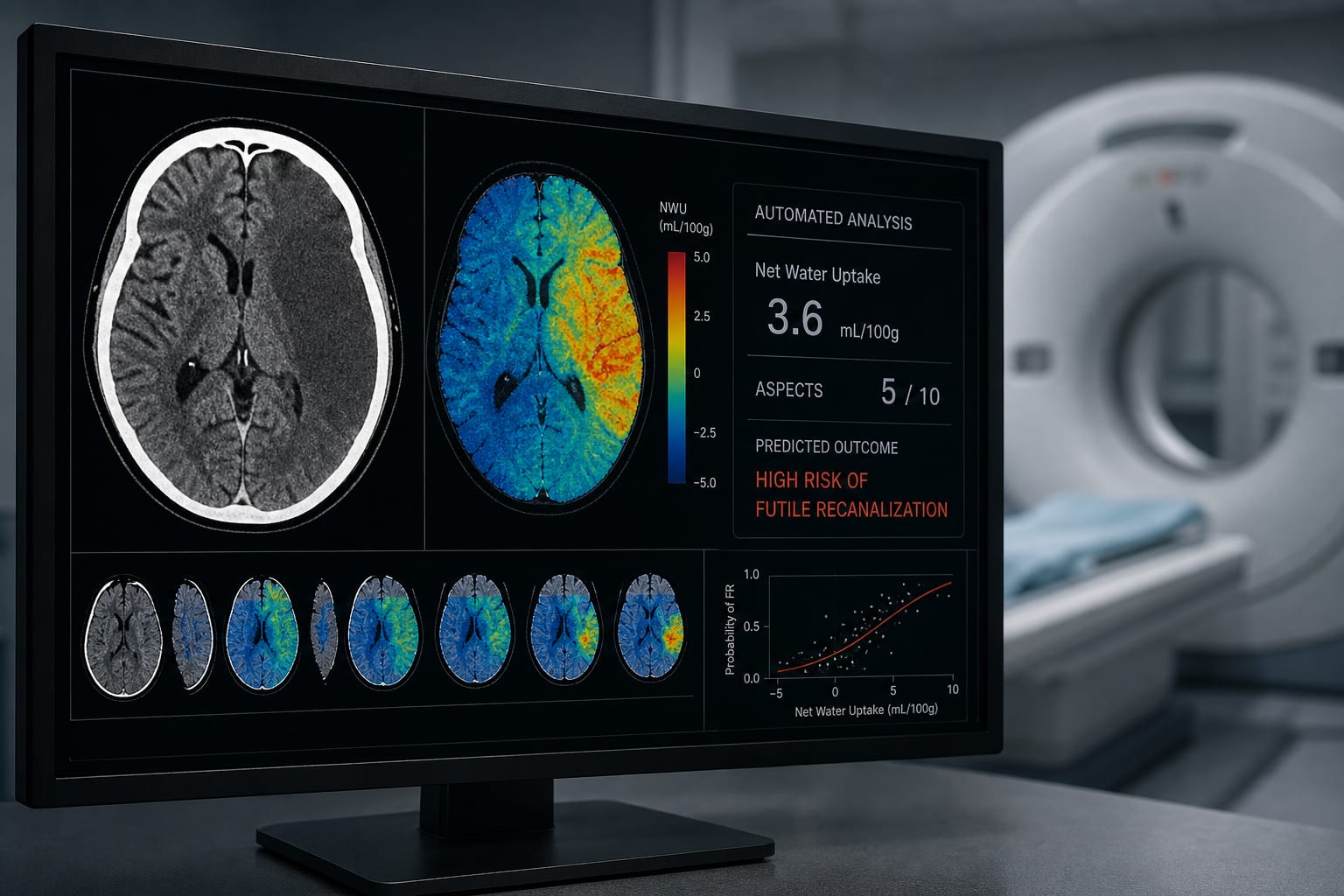
A modeling study published in JAMA Internal Medicine projects that computed tomography (CT) imaging in the US could lead to approximately 103,000 future radiation-induced cancers in 2023, based on improved radiation dose assessment and increased CT utilization.
Background
The rising use of CT scans in clinical practice raises concerns regarding the associated radiation exposure and its potential long-term effects, including increased cancer risk. This study highlights the need for ongoing evaluation of imaging practices and radiation dose management, as it found that CT imaging could account for about 5% of new cancer diagnoses annually if current trends continue.
Data Highlights
Year
Projected Future Cancers
CT Examinations
2023
103,000
93 million
Key Findings
Projected 103,000 future radiation-induced cancers from 93 million CT scans in 2023.
Adult imaging accounts for the majority of projected cancers (93,000 cases).
Pediatric imaging contributes 9,700 projected cancers, with the highest risk in infants.
Multiphase scanning is linked to increased cancer risk; single-phase scanning may reduce dose without compromising accuracy.
Lung cancer is the most common projected cancer type, followed by colon cancer and leukemia.
Sensitivity analysis showed estimates ranging from 80,000 to 127,000 projected cancers based on varying assumptions.
Clinical Implications
Healthcare providers should consider the potential long-term risks associated with CT imaging, especially in pediatric patients. Implementing strategies such as using ultrasound or MRI when appropriate, and standardizing dose protocols across imaging sites is essential to mitigate future cancer risks.
Conclusion
The findings underscore the importance of careful consideration of CT utilization patterns and radiation dose management to reduce the potential future cancer burden associated with imaging, while emphasizing the need for ongoing research.