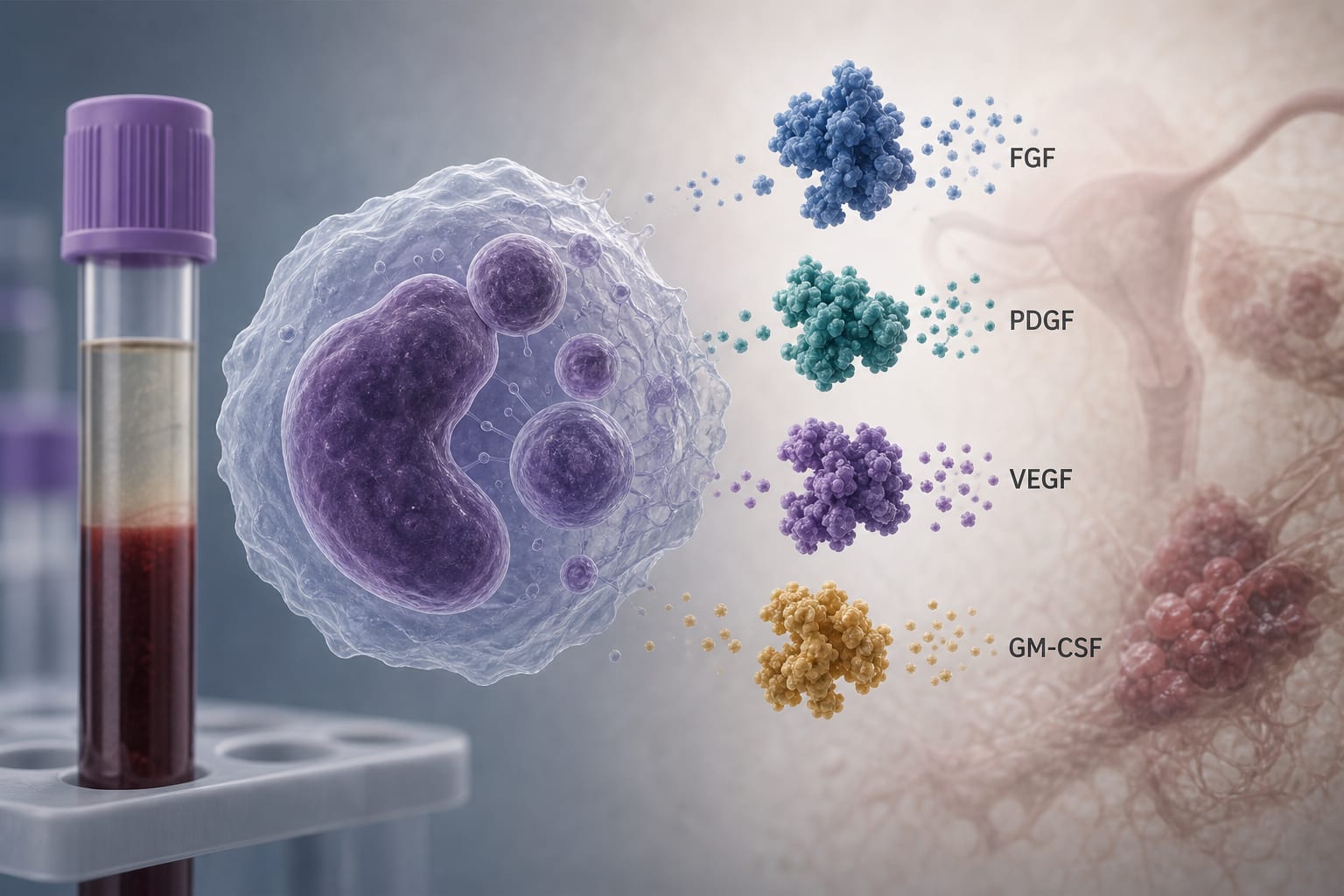
Clinical Report: In Vitro Analysis of FGF, PDGF, VEGF, and GM-CSF Production
Overview
This study investigates the in vitro secretion of pro-angiogenic factors by PBMCs from women with and without endometriosis. Findings indicate no significant differences in baseline or stimulated growth factor levels between the two groups, suggesting a localized rather than systemic dysregulation in endometriosis.
Background
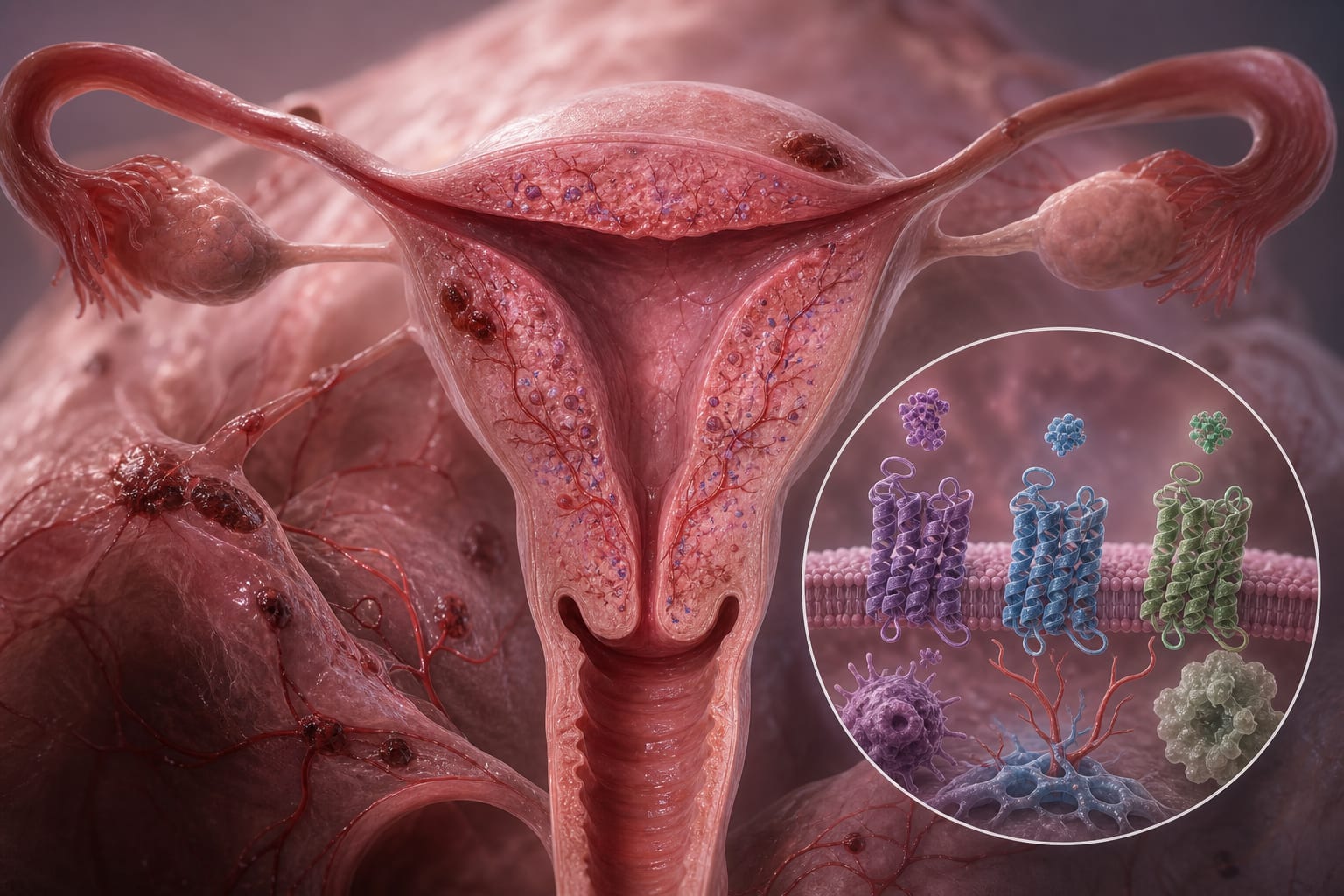
Endometriosis is a prevalent chronic inflammatory condition affecting a significant proportion of women of reproductive age, characterized by the presence of endometrial-like tissue outside the uterus. Understanding the role of immune dysregulation and growth factor secretion in endometriosis is crucial for developing targeted therapies, as current treatments primarily provide symptomatic relief without addressing underlying mechanisms.
Data Highlights
No significant differences in baseline secretion of FGF, PDGF, VEGF, and GM-CSF between women with endometriosis and controls were observed. PHA stimulation resulted in increased secretion of FGF, PDGF, and VEGF, but these changes were not significantly different between groups.
Key Findings
Baseline secretion of FGF, PDGF, VEGF, and GM-CSF did not differ significantly between women with endometriosis and controls.
PHA stimulation led to increased secretion of FGF, PDGF, and VEGF, with a decrease in GM-CSF.
Neither stimulated concentrations nor percent changes in growth factors differed significantly between groups after multiple testing correction.
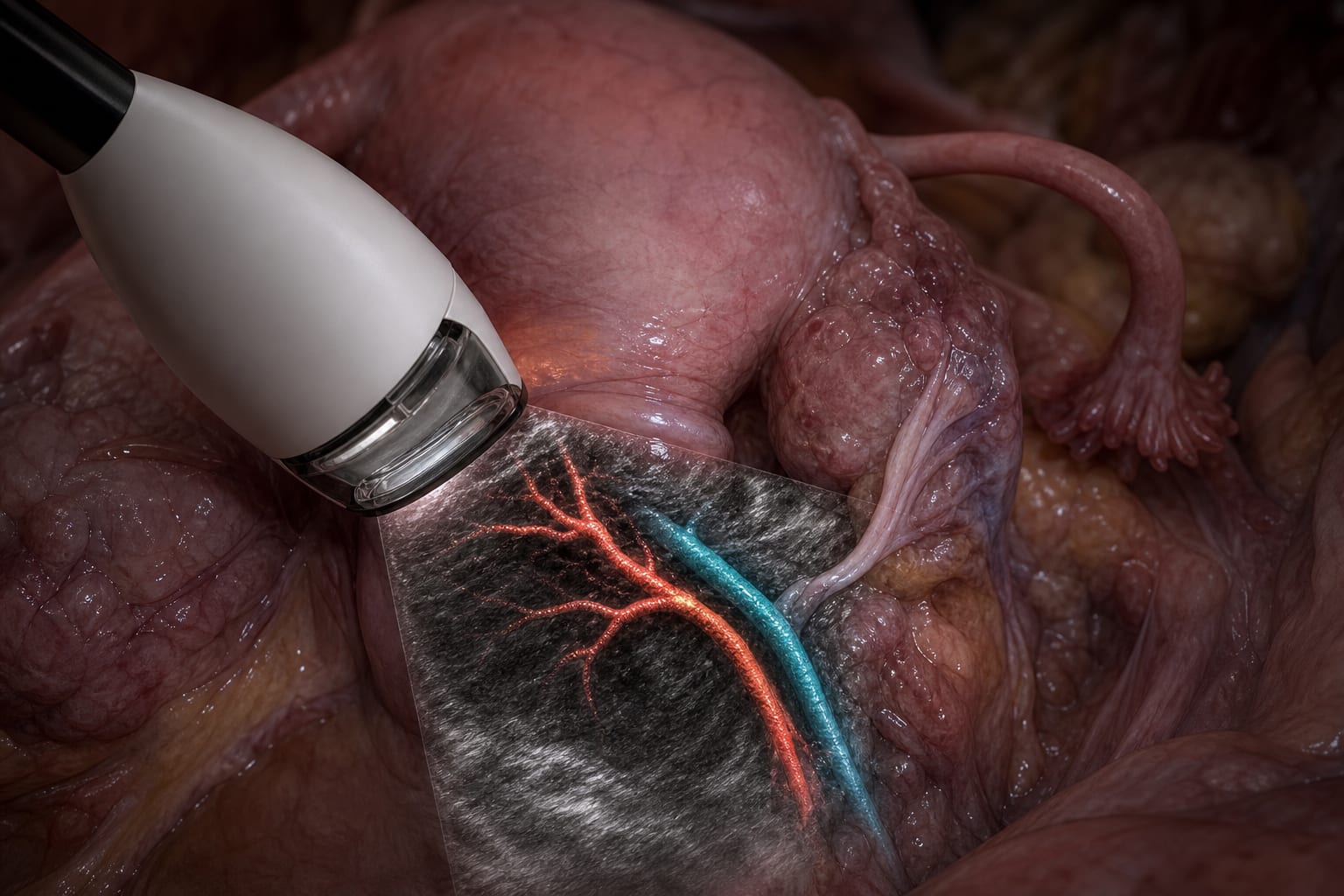
The findings suggest a compartmentalized model of pro-angiogenic signaling in endometriosis rather than systemic hypersecretion.
Clinical Implications
The results indicate that PBMCs from women with endometriosis do not exhibit a generalized increase in pro-angiogenic growth factor secretion, which may influence treatment strategies. Clinicians should consider the localized nature of angiogenic signaling in endometriosis when developing therapeutic approaches.
Conclusion
This study provides evidence that PBMCs from women with endometriosis do not demonstrate systemic hypersecretion of key pro-angiogenic factors, emphasizing the importance of local microenvironments in disease pathology.