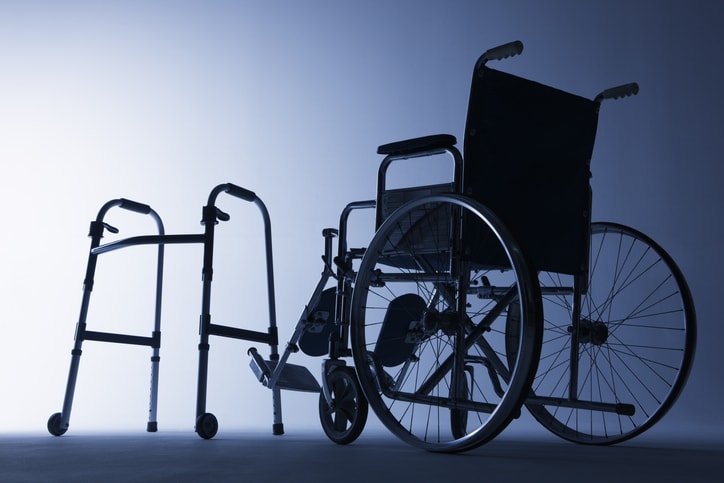
Postoperative Orthostatic Intolerance: Mechanisms and Clinical Significance
Overview
Postoperative orthostatic intolerance (OI) is a common but under-recognized complication that hinders early ambulation after surgery despite optimized ERAS protocols. It is characterized by symptoms such as dizziness and nausea upon standing and is driven by autonomic dysregulation and impaired cardiovascular responses. Current prevention and treatment strategies remain limited, highlighting the need for further research.
Background
Early postoperative ambulation is critical in enhanced recovery after surgery (ERAS) pathways to prevent complications like pneumonia and muscle wasting. Orthostatic intolerance, presenting with symptoms such as dizziness and syncope after standing, can delay mobilization even when other factors are controlled. The condition differs from orthostatic hypotension, which is defined by a measurable drop in blood pressure. Understanding the pathophysiology and risk factors of postoperative OI is essential for improving patient outcomes.
Data Highlights
Key data points include: morphine 0.1 mg/kg increases OI incidence after lower extremity arthroplasty; continuous fentanyl infusion similarly raises OI risk; preoperative oral midodrine did not significantly reduce OI incidence; goal-directed fluid therapy failed to reduce OI prevalence; intraoperative glucocorticoids attenuate inflammatory response but do not reduce OI occurrence.
Key Findings
Postoperative orthostatic intolerance results from autonomic imbalance with increased parasympathetic and reduced sympathetic activity, leading to inadequate heart rate response and reduced cardiac output during mobilization.
Opioid use, particularly morphine and fentanyl, impairs cardiovascular responses and increases the risk of orthostatic intolerance.
Patient-related factors (age, frailty), anesthetic techniques, and surgical stress contribute to OI, but anemia does not appear to influence its incidence.
Preventive measures such as α-adrenergic agonists (e.g., midodrine) and goal-directed fluid therapy have not demonstrated significant efficacy in reducing OI.
Early identification of at-risk patients and addressing modifiable factors like sedation and pain control are important for facilitating early mobilization.
Repeated orthostatic challenges may help restore tolerance, suggesting a role for gradual mobilization strategies.
Clinical Implications
Clinicians should be aware of postoperative orthostatic intolerance as a barrier to early ambulation and consider opioid-sparing analgesia and optimized anesthetic techniques to reduce its incidence. Early mobilization attempts should be prioritized, with careful management of modifiable contributors such as sedation and hypovolemia. Recognizing and addressing OI can improve recovery trajectories within ERAS pathways.
Conclusion
Postoperative orthostatic intolerance is a multifactorial condition that impedes early mobilization despite advances in perioperative care. Enhanced understanding and targeted interventions are needed to improve patient outcomes and facilitate recovery.
References
Young BJS -- Postoperative Orthostatic Intolerance in the Early Phase: Mechanisms and Clinical Significance
These 10 states make it more practical for physicians to participate in hospital ownership by aligning statutory structure, corporate practice of medicine rules, and population trends.
Systematic review found robotic-assisted total hip arthroplasty improved implant positioning precision without demonstrating better patient-reported outcomes or lower complication rates than conventional surgery.