Regulatory networks of post-translational modifications in diabetic kidney disease: from pathogenic mechanisms to therapeutic frontiers - Report - MDSpire
Advertisement
Regulatory networks of post-translational modifications in diabetic kidney disease: from pathogenic mechanisms to therapeutic frontiers
Clinical Report: Regulatory Pathways of Post-Translational Modifications in DKD
Overview
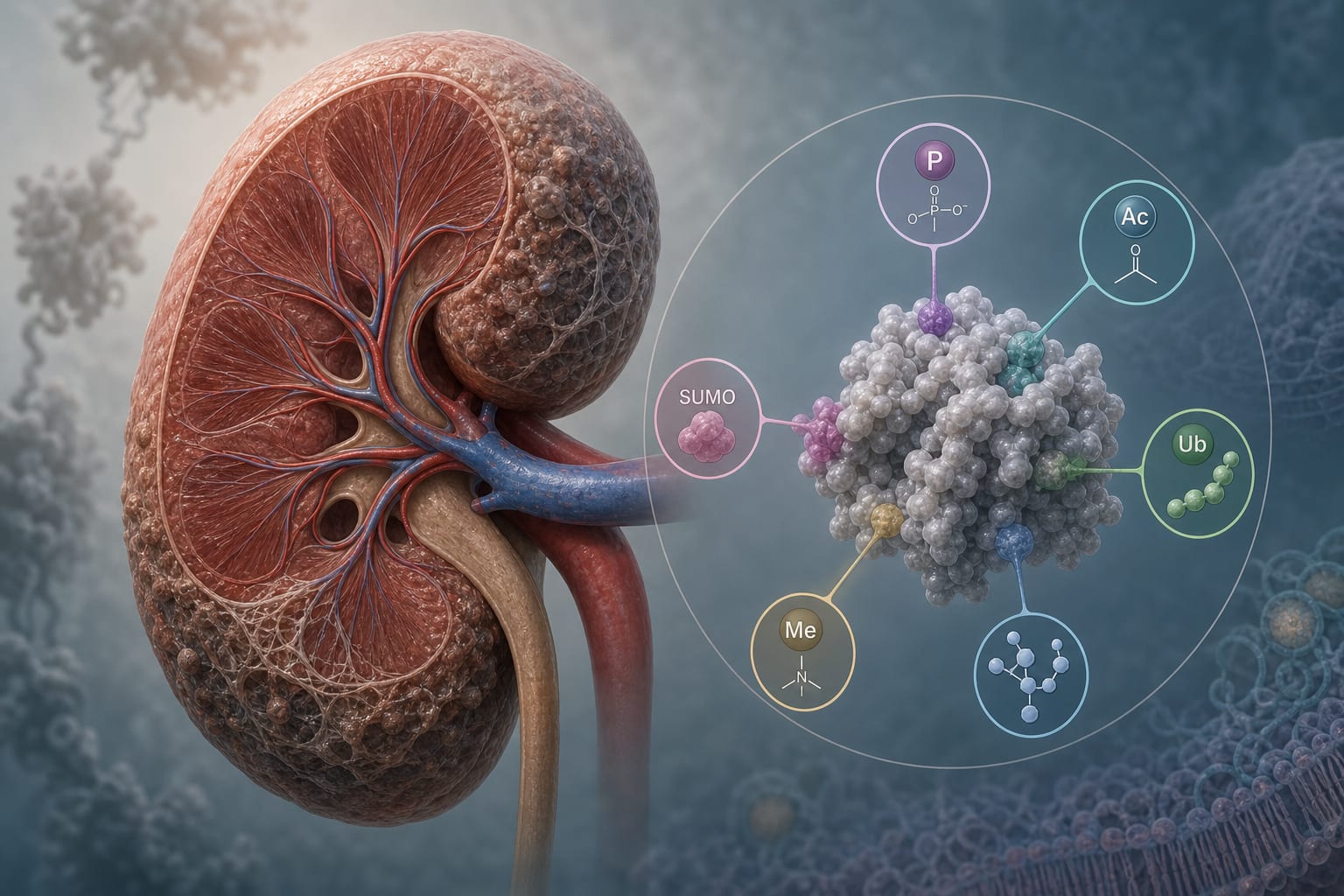
This review elucidates the role of post-translational modifications (PTMs) in the pathogenesis of diabetic kidney disease (DKD) and highlights emerging therapeutic strategies targeting these modifications.
Background
Diabetic kidney disease (DKD) is a significant complication of diabetes, affecting 30-40% of diabetic patients and leading to end-stage renal disease. The complexity of DKD pathogenesis involves various factors, including metabolic disturbances and oxidative stress.
Data Highlights
No numerical data or trial data presented in the article.
Key Findings
PTMs such as phosphorylation, acetylation, and ubiquitination play critical roles in regulating protein function under diabetic stress.
Dysregulation of PTM networks is a central mechanism driving DKD progression.
High glucose environments significantly alter PTM profiles in renal cells, contributing to renal injury.
Targeting PTM-modifying enzymes may offer new therapeutic strategies for DKD.
Aberrant phosphorylation patterns in insulin signaling pathways are linked to insulin resistance in DKD.
Clinical Implications
Understanding PTM dysregulation may help identify new therapeutic targets to mitigate renal injury in diabetic patients.
Conclusion
Targeting post-translational modifications may advance DKD therapy through molecular-level interventions.