Developing forensic patient-oriented research guidelines: a rapid review using an integrated knowledge translation approach - Report - MDSpire

Developing forensic patient-oriented research guidelines: a rapid review using an integrated knowledge translation approach

  • By

  • Christopher Canning

  • Cara Evans

  • Sevil Deljavan

  • Kristy Allen

  • Laura Justine Chouinard

  • Amber Scott

  • Elnaz Moghimi

  • Konstantina Poursanidou

  • Stephanie Junes

  • Jolene Wintermute

  • Kayla Zimmermann

  • July 2, 2026

  • 0 min

Share

Clinical Report: Establishing Guidelines for Patient-Centered Research in Forensic Settings

Background

Forensic mental health settings serve individuals at the intersection of criminal justice and mental health, often facing significant stigma and marginalization. Engaging patients in research is crucial for improving care experiences and outcomes, yet their involvement has been historically limited. The development of guidelines for POR aims to enhance patient participation and address ethical challenges in these settings.

Data Highlights

No numerical or trial data was presented in the source material.

Key Findings

  • Guidelines were informed by 31 academic and grey literature sources.
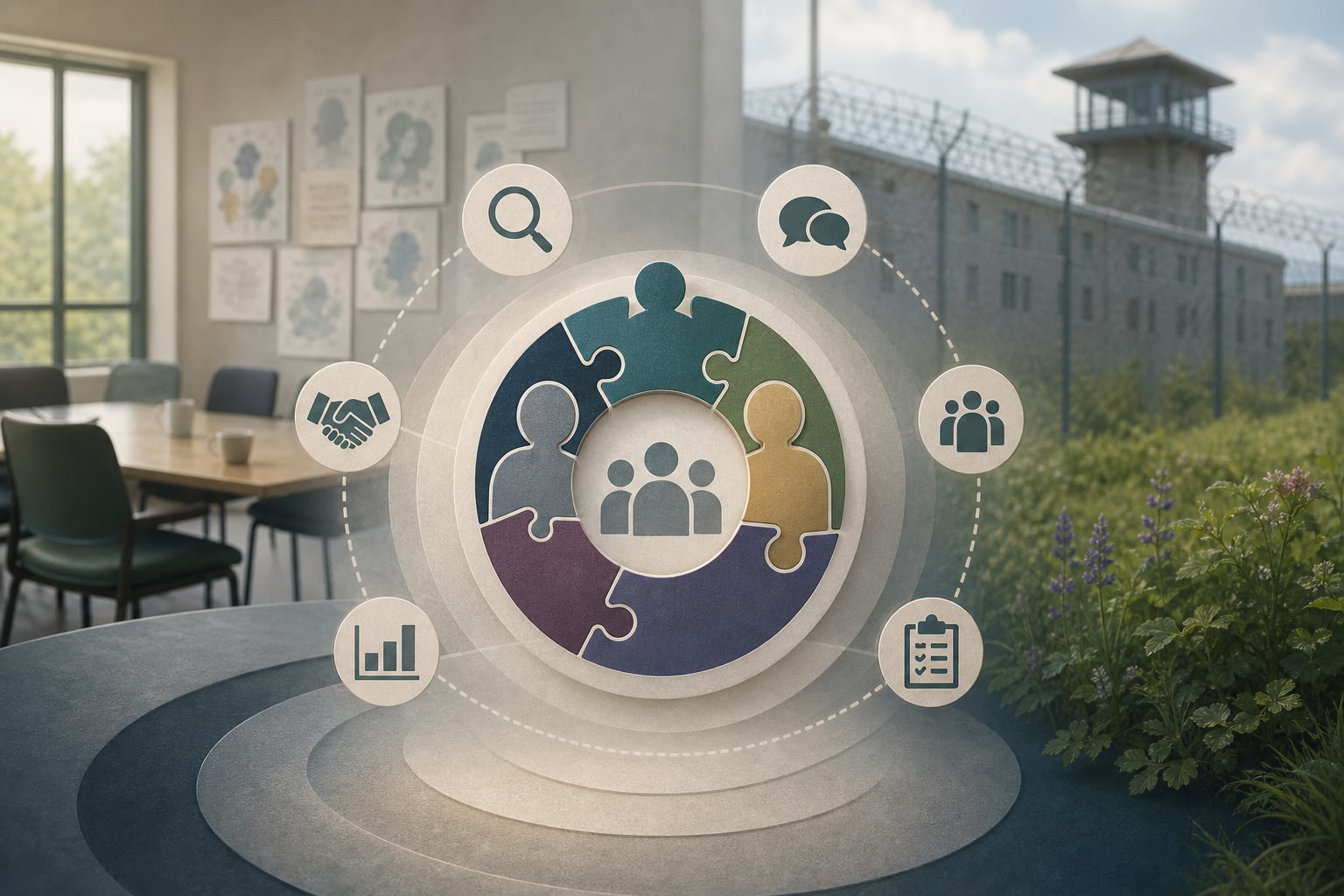
  • Five core dimensions were identified: resourcing, confidentiality, relationships, levels of engagement, and evaluation.
  • Cross-cutting principles include dignity, trust, respect, and addressing epistemic injustice.
  • Recommendations include dedicated resources for patients and ongoing consent practices co-developed with them.
  • Emphasis on flexible patient researcher roles with fair compensation.

Clinical Implications

The guidelines call for forensic hospitals to adapt and evaluate these recommendations to enhance patient involvement in research. Institutional support for participatory practices is essential to foster authentic co-production in forensic mental health settings.

Conclusion

The establishment of these guidelines represents a significant step towards integrating patient perspectives in forensic mental health research, aiming to improve care and outcomes.
Related Resources & Content

  1. BMC Psychiatry (Springer), 2026 -- A Comprehensive Review of Collaborative Research with Forensic Mental Health Patients
  2. Frontiers in Psychiatry, 2026 -- Optimism, ambivalence, and opportunities: staff perspectives signaling a critical turn in patient-oriented research in forensic mental health care settings
  3. BMC Psychiatry (Springer), 2025 -- Exploring the Experiences of Forensic Psychiatric Patients in Managing Co-Occurring Mental and Substance Use Disorders
  4. Frontiers in Psychiatry, 2026 -- Ethicality forms a challenge in the implementation of structured violence risk screening: a qualitative study of an intervention in two Swedish emergency psychiatric units
  5. Subpart C, HHS.gov -- Additional Protections Pertaining to Biomedical and Behavioral Research Involving Prisoners as Subjects
  6. Frontiers, 2026 -- Establishing standards of care for forensic mental health: an international Delphi consensus-building study
  7. Health Research Authority -- Public involvement guidance for researchers
  8. Subpart C — Additional Protections Pertaining to Biomedical and Behavioral Research Involving Prisoners as Subjects | HHS.gov
  9. Frontiers | Establishing standards of care for forensic mental health: an international Delphi consensus-building study
  10. Public involvement guidance for researchers - Health Research Authority

Original Source(s)

Related Content