Using the NASSS–Complexity Assessment Tool to Evaluate the Implementation of “Cadê O Kauê?”: Chat-Story Intervention for Youth Participation in Mental Health Promotion in Brazil - Report - MDSpire
Advertisement
Using the NASSS–Complexity Assessment Tool to Evaluate the Implementation of “Cadê O Kauê?”: Chat-Story Intervention for Youth Participation in Mental Health Promotion in Brazil
Clinical Report: Evaluating the Implementation of the 'Cadê O Kauê?' Chat-Story Intervention
Overview
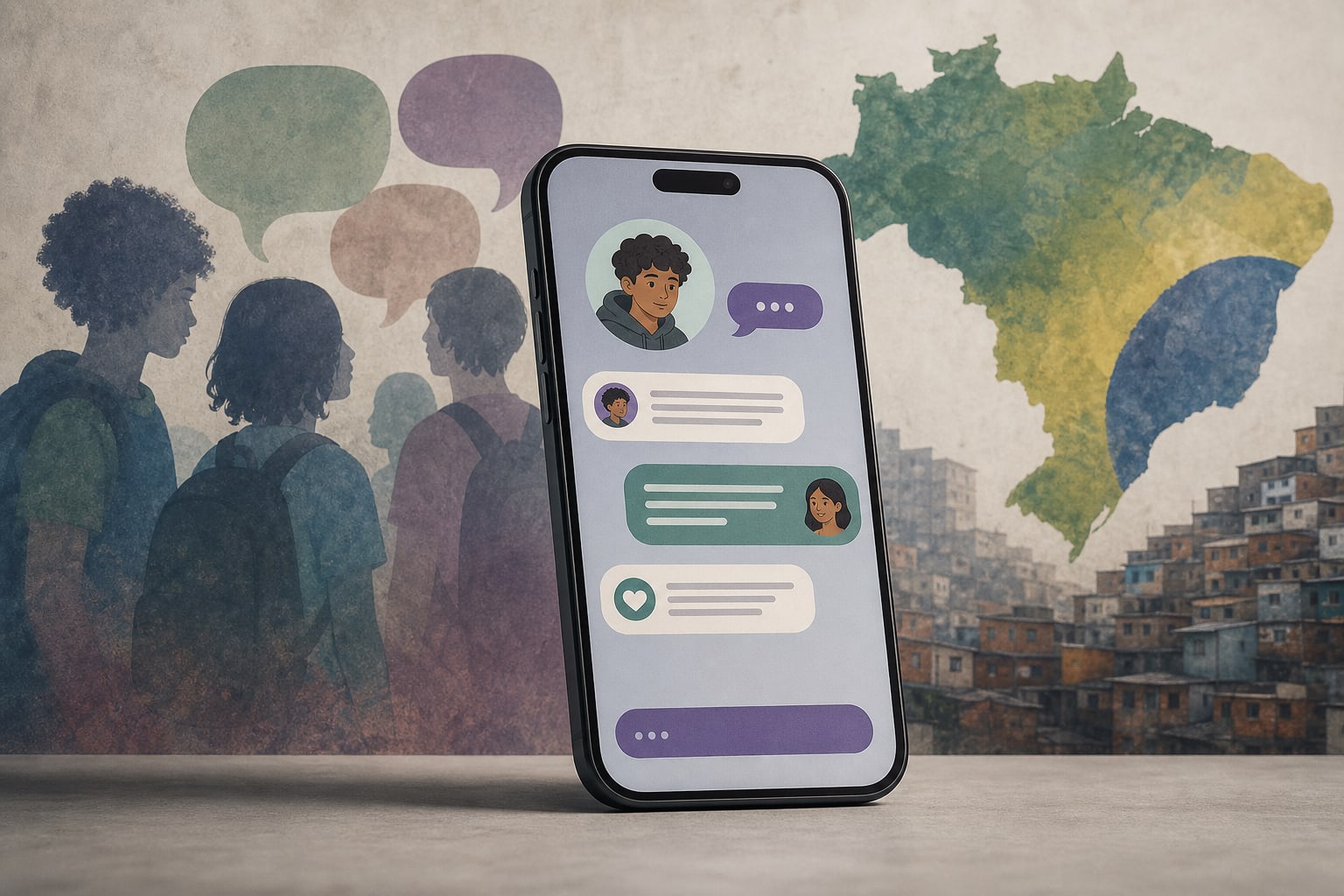
The 'Cadê O Kauê?' intervention aims to enhance youth engagement in mental health promotion in Brazil through a digital storytelling chatbot. This initiative addresses significant mental health challenges faced by adolescents in Brazil, particularly in the context of sociocultural determinants and the impact of the COVID-19 pandemic.
Background
Mental health disorders are the leading cause of disability among individuals aged 10-24 years, with Brazil experiencing high rates of anxiety and depression among its youth. The COVID-19 pandemic exacerbated these issues, highlighting the urgent need for effective mental health interventions. Digital solutions, particularly those co-designed with young people, offer promising avenues for addressing these challenges in low- and middle-income countries.
Data Highlights
No numerical or trial data provided in the source material.
Key Findings
The 'Cadê O Kauê?' intervention is a digital storytelling chatbot designed to promote mental health among Brazilian adolescents.
It was co-designed with input from adolescents, teachers, and mental health professionals to ensure cultural relevance.
The intervention aims to enhance youth skills in supporting peers and engaging in collective action for mental health.
Schools serve as a natural environment for implementing mental health promotion initiatives, leveraging peer networks.
The intervention addresses sociocultural determinants that impact mental health outcomes in Brazil.
Clinical Implications
The 'Cadê O Kauê?' intervention highlights the importance of integrating digital tools in school settings to promote mental health among adolescents. Engaging young people in the co-design process ensures that interventions are culturally relevant and effective in addressing their specific needs.
Conclusion
The 'Cadê O Kauê?' initiative represents a scalable model for enhancing youth engagement in mental health promotion, addressing critical gaps in care and support for adolescents in Brazil.
Patients with preoperative vitamin D deficiency had higher postoperative pain scores and opioid use after mastectomy, including more than triple the odds of moderate to severe pain within 24 hours of surgery.