Integrated systems toxicology identifies TCDD-responsive targets linked to immune dysregulation and treatment response in psoriasis
-
By
-
Xuan Zhang
-
Yankun Zhang
-
Yanling He
-
May 29, 2026
Clinical Report: Comprehensive Toxicological Systems Approach Reveals TCDD-Responsive Targets
Overview
This study identifies 87 genes associated with TCDD exposure and psoriasis, highlighting their involvement in immune dysfunction and treatment outcomes. Key findings include the upregulation of five core target genes linked to local immune infiltration patterns and treatment response.
Background
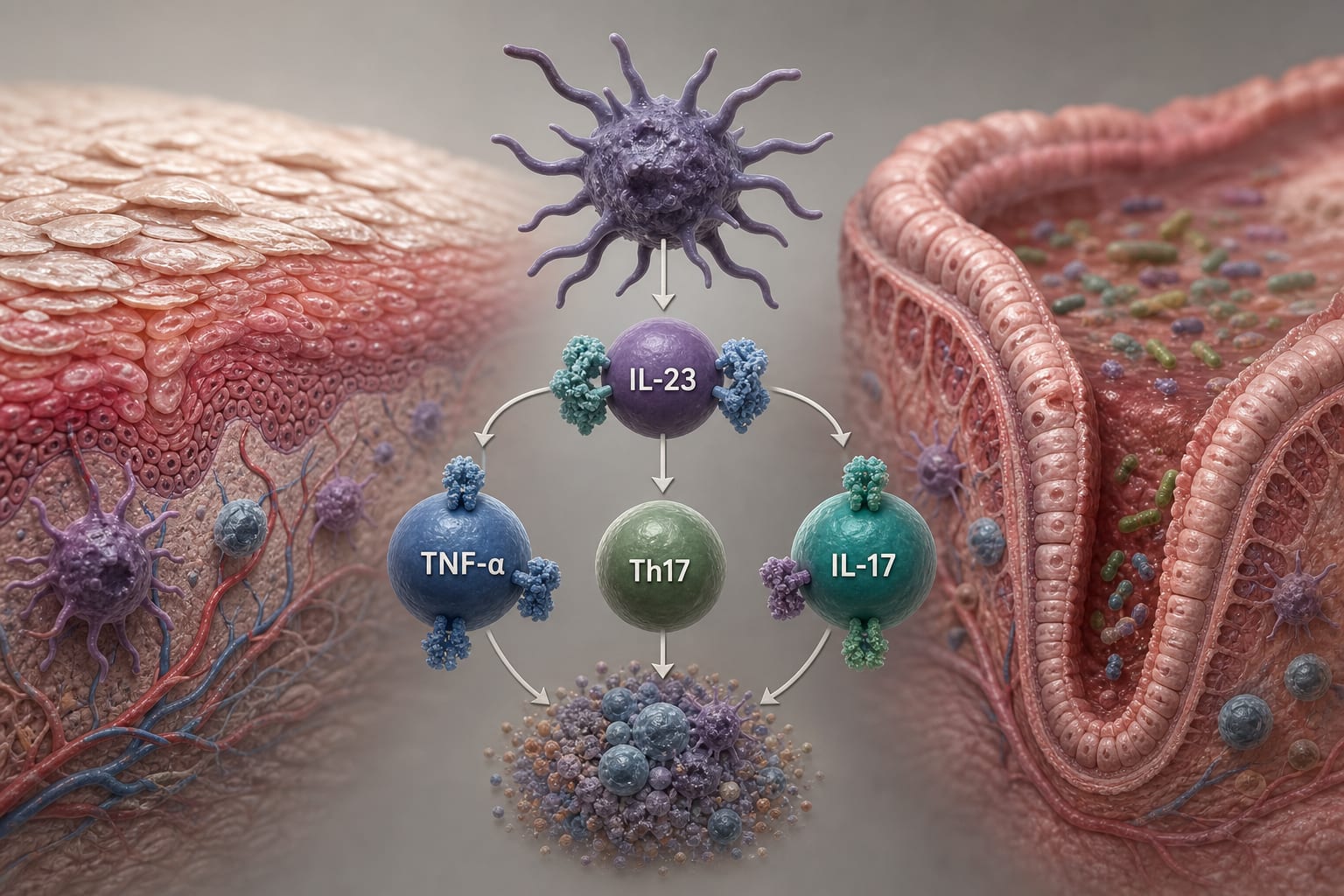
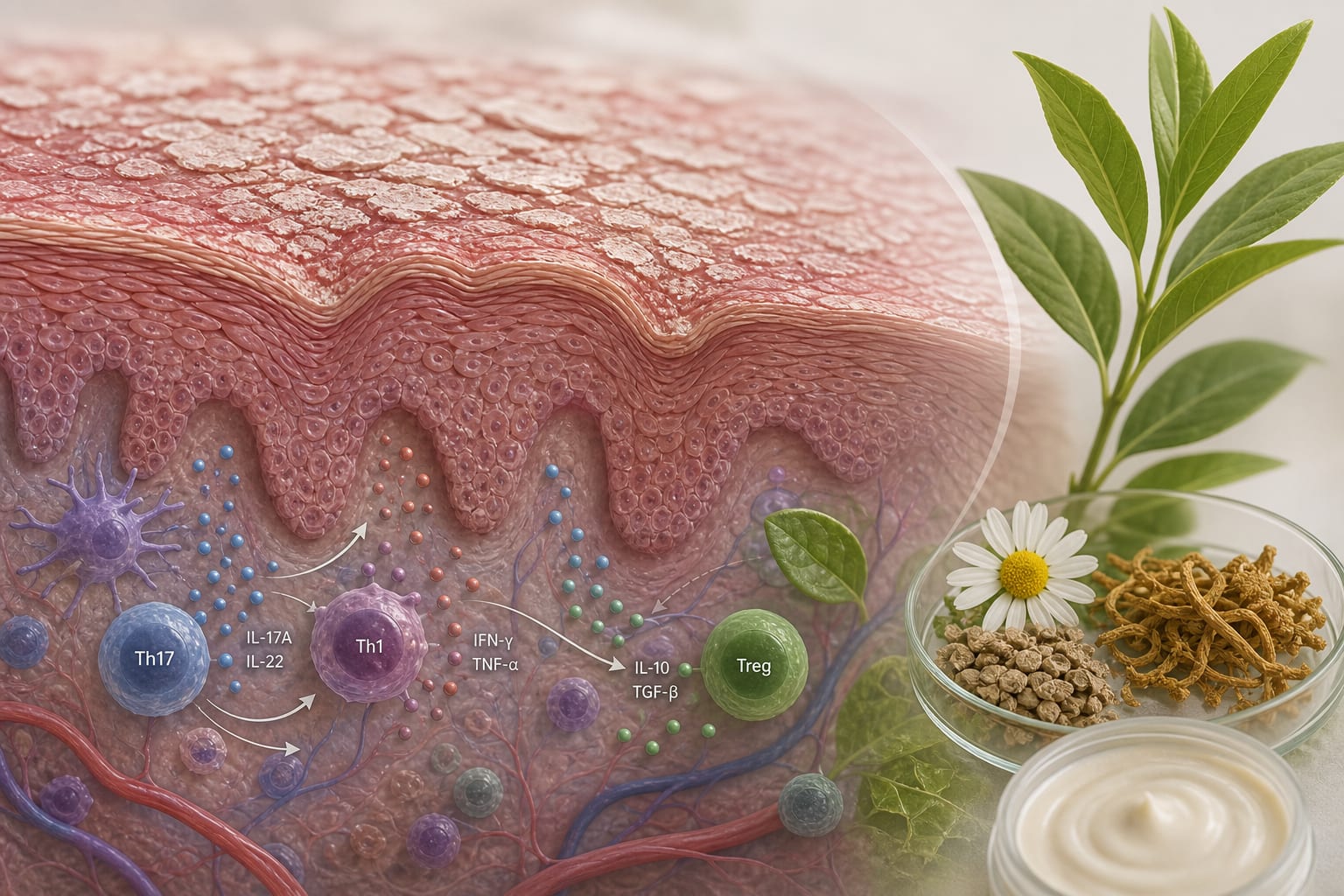
Psoriasis is a chronic inflammatory skin disease driven by immune dysregulation, particularly involving the IL-23/IL-17 axis. Understanding the role of environmental pollutants like TCDD in psoriasis pathogenesis is crucial, as they may contribute to disease exacerbation and treatment variability. This study explores the molecular mechanisms by which TCDD may influence psoriasis, providing insights into potential therapeutic targets.
Data Highlights
No numerical data or trial data presented.
Key Findings
- Identification of 87 overlapping genes between TCDD-related targets and psoriasis-associated genes.
- Core target genes LCK, MMP9, CXCR2, PTAFR, and CCNB1 were significantly upregulated in psoriatic lesions.
- Machine learning analysis demonstrated strong diagnostic performance of the core genes within the analyzed datasets.
- Higher baseline MMP9 levels were associated with poorer clinical improvement in biologic therapy cohorts.
- Structural analyses indicated potential interactions between TCDD and core targets, particularly with CXCR2.
Clinical Implications
The findings suggest that monitoring the expression of core genes may provide insights into treatment responses in psoriasis patients. Additionally, understanding the impact of environmental factors like TCDD could inform future therapeutic strategies.
Conclusion
The study highlights the potential role of TCDD in psoriasis immune dysregulation and underscores the need for further validation in cohort studies to establish a direct link between environmental exposure and disease outcomes.
Related Resources & Content
- Frontiers in Immunology, 2026 -- Psoriasis as a systemic inflammatory disease: an immune set-point framework for comorbidities and relapse
- Archives of Toxicology, 2016 -- Identification of Ackr3, Col18a1, Cyb5a, and Glud1 as Potential Toxicity Mediators Linked to RNA Abundance Alterations Induced by 2,3,7,8 Tetrachlorodibenzo-p-dioxin
- Clinical Rheumatology, 2019 -- Characterizing the Efficacy of TNF-Inhibitors in Rheumatoid Arthritis: The Adverse Effects of Anti-TNF Cycling and the Importance of a Tailored Approach for Identifying Primary Non-Responders
- Overview | Psoriasis: assessment and management | Guidance | NICE
- S3 Guideline for the treatment of psoriasis vulgaris, adapted from EuroGuiDerm - part 1: Treatment recommendations and monitoring - PubMed
- Dermatology and Therapy — A Narrative Review: Do Systemic Drugs Used in the Treatment of Psoriatic Disease Affect Alzheimer’s Disease?
- What are the benefits and risks of systemic treatments for psoriasis?
- Overview | Psoriasis: assessment and management | Guidance | NICE
- S3 Guideline for the treatment of psoriasis vulgaris, adapted from EuroGuiDerm - part 1: Treatment recommendations and monitoring - PubMed
- International Psoriasis Council psoriasis disease severity reclassification: Update on validity, acceptance, and implementation - PubMed
- Psoriasis clinical guideline
- Biologics for the Treatment of Moderate-to-Severe Plaque Psoriasis: A Systematic Review and Network Meta-analysis | Dermatology and Therapy | Springer Nature Link
- Three-Year Patient-Reported Outcomes From Bimekizumab for Plaque Psoriasis: The BE RADIANT Randomized Clinical Trial With Open-Label Extension - PubMed
- Tapinarof validates the aryl hydrocarbon receptor as a therapeutic target: A clinical review - PubMed
- Chlorinated Dibenzo-p-dioxins (CDDs) | Toxicological Profile | ATSDR
This content is an AI-generated, fully rewritten summary based on a published scholarly article. It does not reproduce the original text and is not a substitute for the original publication. Readers are encouraged to consult the source for full context, data, and methodology.