Clinical Report: Identifying and Treating Ocular Motor Palsies
Overview
Ocular motor palsies of cranial nerves III, IV, or VI often indicate underlying systemic or neurologic disorders, necessitating accurate diagnosis and management by optometrists. Key diagnostic steps include distinguishing between binocular and monocular diplopia and performing comprehensive assessments of ocular alignment.
Background
Acquired ocular motor palsies can signal serious conditions such as aneurysms or longstanding microvascular disease, making timely diagnosis crucial. Optometrists play a vital role in identifying these conditions, as they can lead to significant morbidity if left untreated. Understanding the patterns of ocular motor palsies is essential for effective management and referral when necessary.
Data Highlights
No numerical data provided in the source material.
Key Findings
['Diplopia is the most common symptom of ocular motor palsies, requiring differentiation between binocular and monocular types.', 'Cranial nerve III palsy may present with ptosis, anisocoria, and pain, raising concerns for compressive etiologies like aneurysms.', 'Cranial nerve IV palsy typically shows hypertropia in primary position, increasing with contralateral gaze.', 'Cranial nerve VI palsy presents as esotropia worsening on lateral gaze toward the affected side, often linked to microvascular causes.', 'Comprehensive assessments, including the cover test and Maddox rod test, are crucial for accurate diagnosis.']
Clinical Implications
Optometrists should be vigilant in assessing patients with diplopia, particularly in older adults with vascular risk factors. Early imaging and referral for suspected serious conditions like aneurysms can significantly impact patient outcomes. Management may include symptomatic relief and monitoring for recovery in microvascular cases.
Conclusion
Accurate identification and management of ocular motor palsies are essential for preventing complications from underlying systemic conditions. Optometrists must utilize structured assessment techniques to ensure timely intervention.
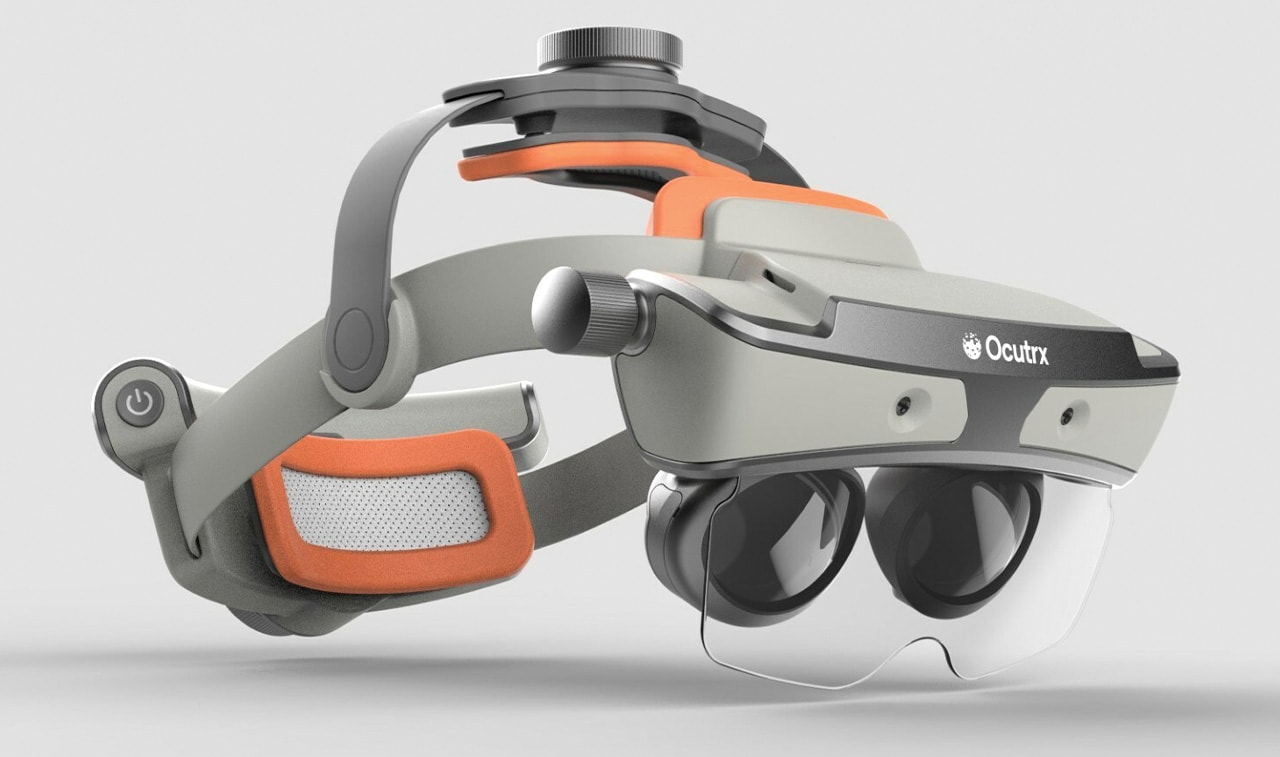
The use of wearable devices for health monitoring has attracted significant interest from patients, physicians, and other healthcare professionals because of their potential to usher in a new era of personalized, accessible, and convenient care. This article explores the use of wearable technology for monitoring retinal health, both through direct assessment of ocular parameters—such as visual field testing and imaging—and through systemic monitoring of surrogate markers of retinal health.