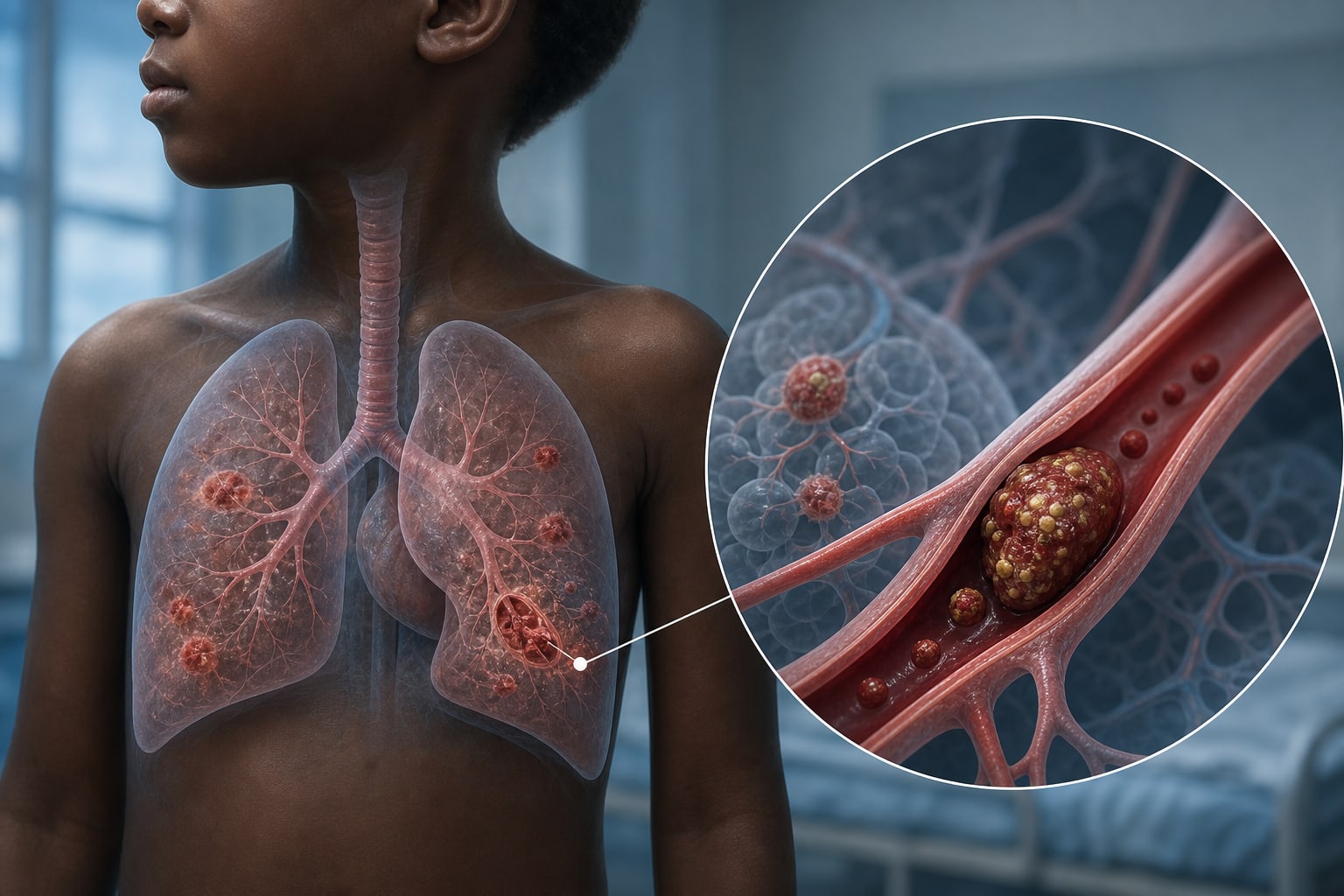
Critical Perinatal Windows of Lead Exposure Reduce Vaccine Antibody Levels in Children
Overview
This study identified specific perinatal periods during which lead exposure is associated with reduced antibody responses to childhood vaccinations against tetanus and diphtheria. Using deciduous teeth to measure weekly lead exposure, researchers found that lead exposure in the first three weeks postpartum and around birth correlates with lower anti-tetanus and anti-diphtheria antibody levels in Hispanic children aged approximately 5 years.
Background
The immune system develops starting in utero and is vulnerable to environmental toxicants such as lead during gestation and early infancy. Lead exposure has been linked to immunotoxic effects including altered T-cell function and reduced antibody production. Prior studies have measured cumulative lead exposure but have not identified precise critical windows of susceptibility. Deciduous teeth provide a novel biomarker to assess weekly lead exposure before and after birth, enabling investigation of time-specific effects on vaccine-induced immunity.
Data Highlights
Exposure Window
Lead Concentration Change
Antibody Response Change
95% Confidence Interval
First 3 weeks postpartum
2-fold increase
–4.29% antitetanus level
–8.22 to –0.20%
Perinatal (1 week before to 1 week after birth)
2-fold increase
–3.44% antidiphtheria level
–7.05 to 0.30%
Key Findings
A twofold higher lead concentration in dentine during the first three weeks postpartum is associated with a statistically significant 4.29% decrease in anti-tetanus antibody levels.
A critical perinatal window from one week before to one week after birth shows a 3.44% reduction in anti-diphtheria antibody levels, approaching statistical significance.
Lead exposure during these early-life periods may impair T-cell–dependent antibody responses to routine childhood vaccinations.
Deciduous teeth analysis enables precise weekly measurement of prenatal and early postnatal lead exposure, overcoming limitations of traditional biomarkers.
The study cohort consisted of Hispanic children approximately 5 years old from the PROGRESS study in Mexico City.
Clinical Implications
Clinicians should be aware that early-life lead exposure, particularly around birth and in the early postpartum period, may reduce vaccine efficacy by diminishing antibody responses. Monitoring and minimizing lead exposure during pregnancy and infancy could improve immunization outcomes. Public health efforts to reduce environmental lead exposure remain critical to protect developing immune systems.
Conclusion
This study identifies specific perinatal windows during which lead exposure negatively impacts antibody responses to key childhood vaccines, highlighting the importance of early-life environmental exposures on immune development and vaccine effectiveness.
References
PROGRESS Study Group 2024 -- Determining Key Vulnerable Periods for Perinatal Lead Exposure Impacting Vaccine Antibody Levels in Children
by Elena Colicino, Marina Oktapodas Feiler, Christine Austin, Maria José Rosa, Nia McRae, Sally A Quataert, Kelly Thevenet-Morrison, Martha M Téllez-Rojo, Hector Lamadrid-Figueroa, Zahira Quinones Tavarez, Youn K Shim, Manish Arora, Robert O Wright, Todd A Jusko