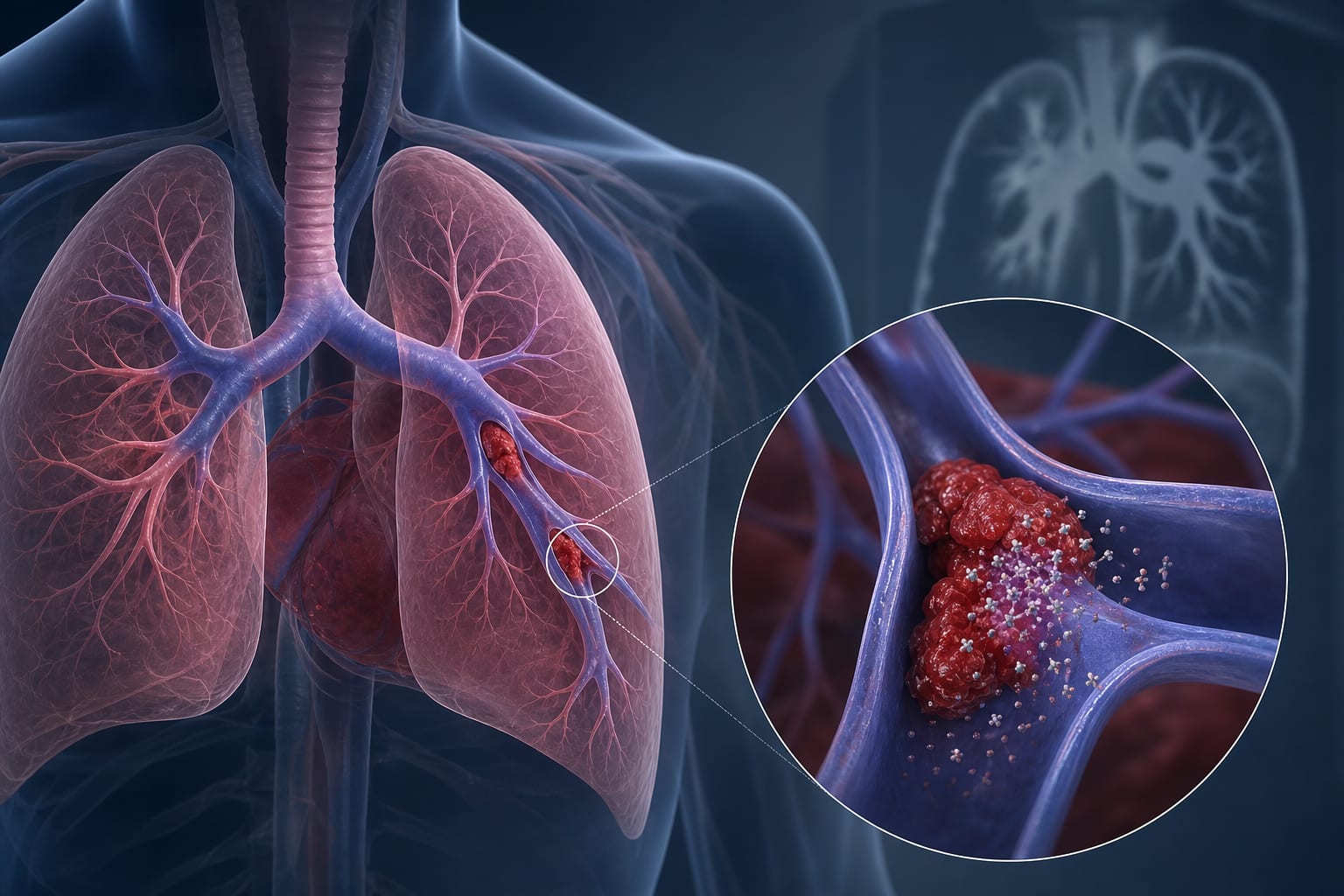
Clinical Report: The Role of Spontaneous Breathing in Acute Respiratory Distress Syndrome
Overview
Spontaneous breathing in ARDS patients poses risks such as patient self-inflicted lung injury (P-SILI) if inspiratory efforts exceed safe limits.
Background
Acute respiratory distress syndrome (ARDS) is a critical condition with high mortality rates, affecting approximately 200,000 individuals annually in the United States. The management of ARDS has evolved, with a focus on lung protective ventilation strategies. Understanding the role of spontaneous breathing is essential, as it may introduce potential risks.
Data Highlights
No numerical data available in the source material.
Key Findings
Approximately two-thirds of patients intubated for ARDS exhibit spontaneous breathing during the early phase.
Excessive inspiratory efforts can lead to patient self-inflicted lung injury (P-SILI).
Inspiratory efforts should remain within safe limits to avoid complications such as atelectrauma and barotrauma.
Clinical Implications
Monitoring inspiratory effort is crucial to prevent complications like P-SILI.
Conclusion
Spontaneous breathing in ARDS requires careful monitoring to mitigate risks.