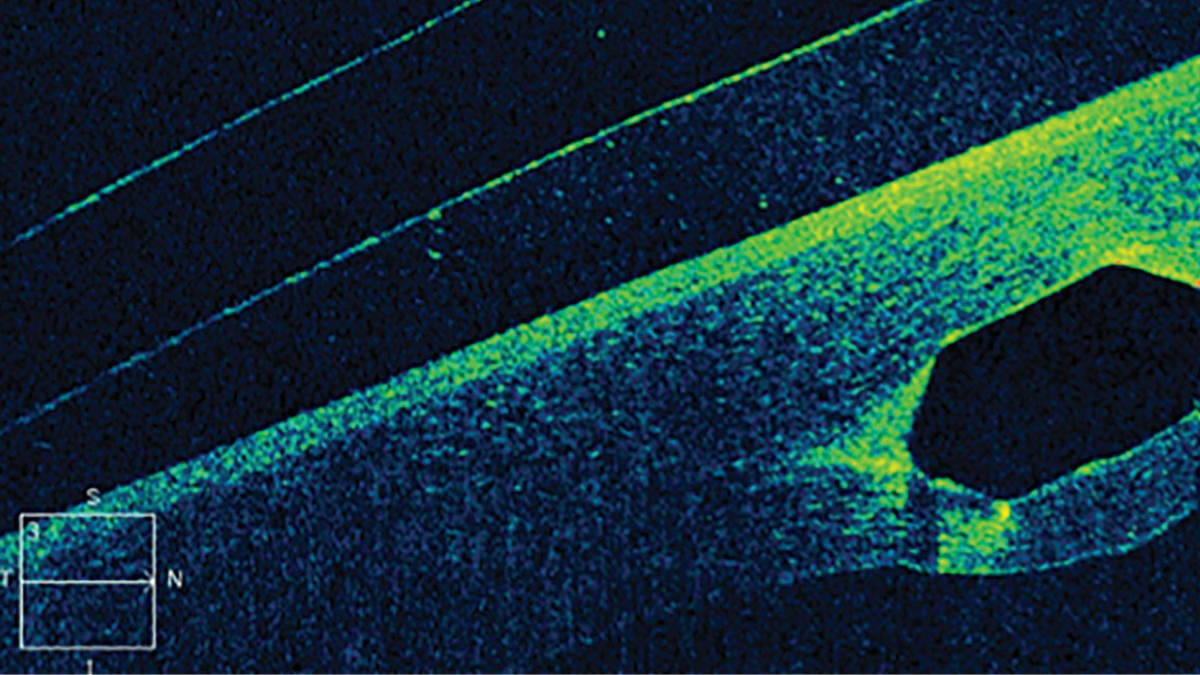
Discover the key requirements for referring patients for corneal cross-linking with riboflavin (CXL) and the challenges related to insurance coverage in specialty contact lens prescribing.
Clinical Report: Referral Requirements for Corneal Cross-Linking in Contact Lens Practice
Overview
Corneal cross-linking (CXL) is a standard, FDA-approved treatment for keratoconus and ectasia that can improve contact lens tolerance by preventing progressive corneal distortion. Referral for CXL requires documented disease progression, adherence to specific clinical criteria, and awareness of insurance coverage limitations.
Background
Keratoconus and post-refractive surgery ectasia can cause corneal distortion that impairs contact lens wear. Corneal cross-linking with riboflavin (CXL) has been established as the standard of care since 2015 to halt disease progression. The FDA has approved one CXL procedure, and payors generally require evidence of medical necessity for reimbursement. Understanding referral criteria and contraindications is essential for eyecare practitioners managing these patients.
Data Highlights
Referral Criteria
Requirement
Age
≥14 years
Corneal Thickness
≥300 microns (some sources require ≥400 microns)
Visual Acuity
Corrected distance visual acuity worse than 20/20 with spectacles or contacts
Progression Evidence (within 24 months)
Increase of ≥1 D in steepest keratometry or manifest cylinder, or ≥0.50 D in manifest refraction spherical equivalent
Contraindications
Corneal scarring, severe ocular surface disease, prior or current herpetic infection, chemical injury, delayed epithelial healing
Key Findings
CXL is FDA-approved and considered standard of care for keratoconus and ectasia since 2015.
Medical necessity for CXL requires documented progression based on keratometry and refraction changes within 24 months.
Patients must meet clinical criteria including age ≥14, minimum corneal thickness (300–400 microns), and suboptimal corrected visual acuity.
Contraindications include corneal scarring, severe ocular surface disease, and history of herpetic infection or poor healing.
Insurance coverage varies and often requires detailed documentation; patients should verify benefits with their carriers.
Practitioners should provide surgeons with comprehensive diagnostic and progression records before referral.
Clinical Implications
Eyecare practitioners should ensure a firm diagnosis of keratoconus or ectasia with topography and confirm progression before referring for CXL. Awareness of contraindications and insurance coverage criteria is critical to facilitate timely and appropriate patient care. Clear communication with patients regarding potential coverage gaps is recommended.
Conclusion
Corneal cross-linking is a vital adjunct therapy in specialty contact lens practice for managing progressive corneal ectatic disorders. Proper patient selection, documentation, and understanding of referral requirements optimize outcomes and reimbursement success.