Clinical Report: The Role of Superficial Heat Therapy in Women's Health Issues
Overview
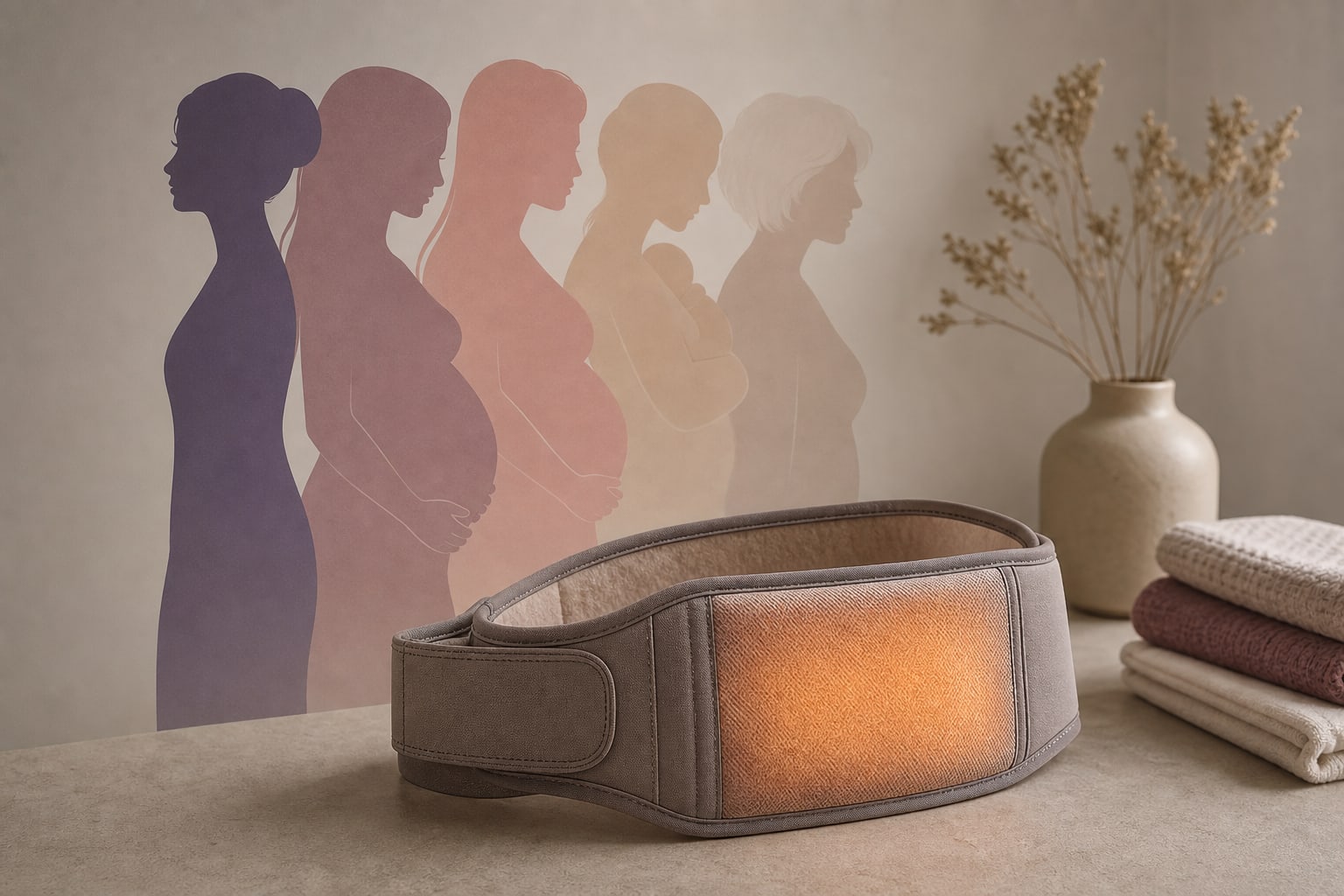
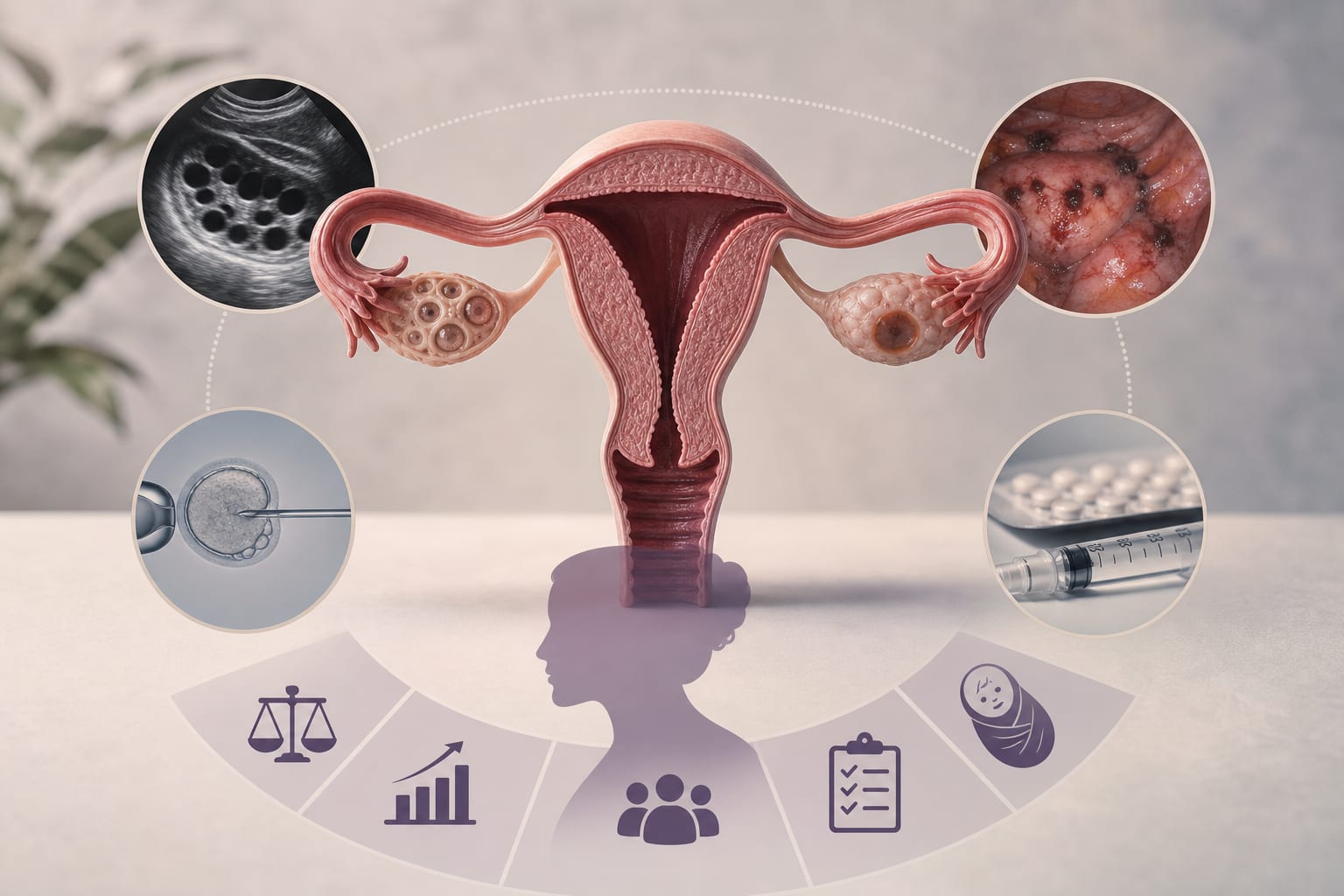
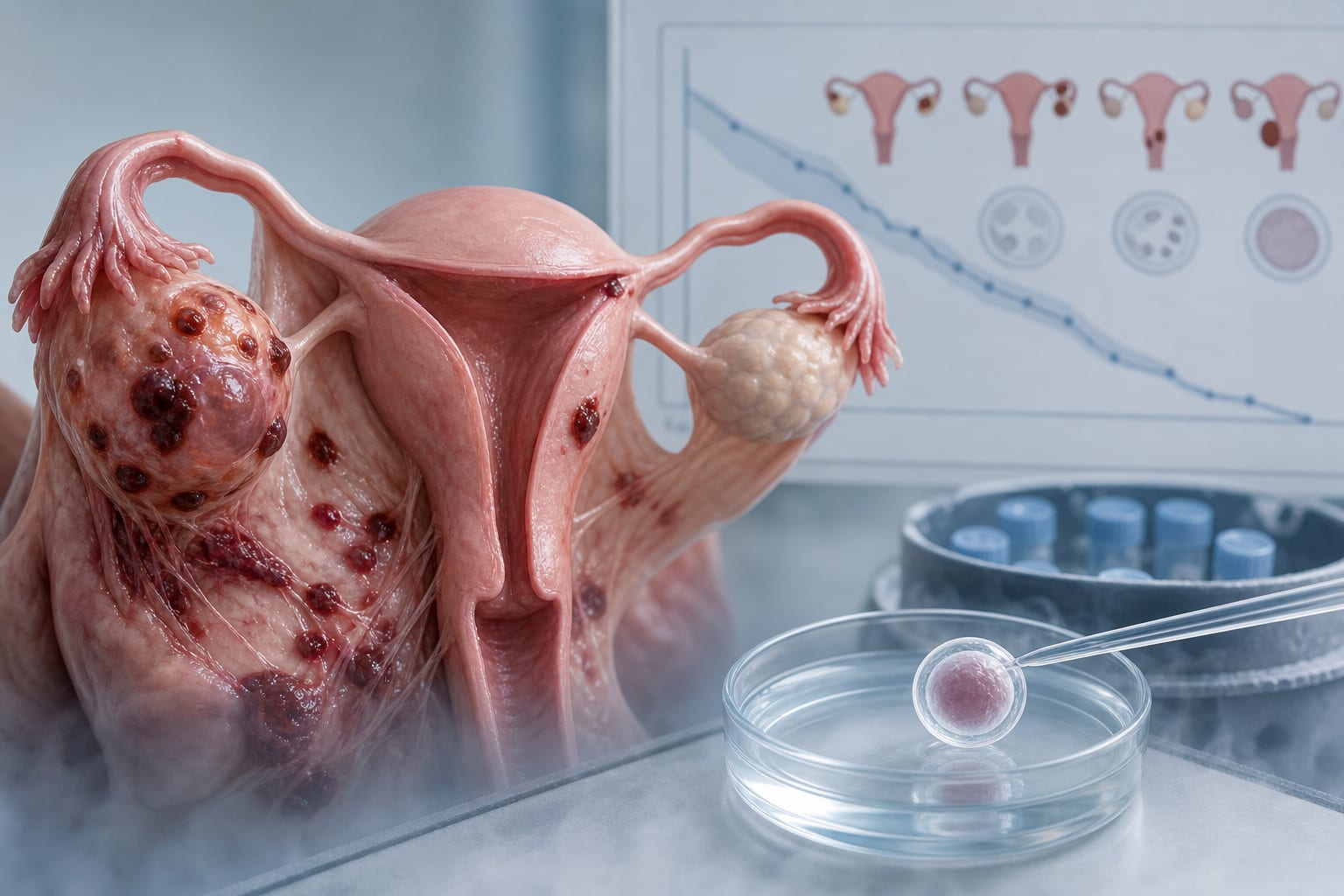
Superficial heat therapy (SHT) has been shown to provide pain relief for various female-specific conditions, including dysmenorrhoea and endometriosis. This narrative review synthesizes evidence supporting the use of SHT across different stages of women's health.
Background
Female-specific pain conditions such as dysmenorrhoea, endometriosis, and pain related to pregnancy and menopause are prevalent and can significantly impair quality of life. SHT has a long history of use for pain relief, with mechanisms including vasodilation and improved microcirculation.
Data Highlights
No numerical data or trial data presented in the source material.
Key Findings
SHT may provide analgesic efficacy comparable to commonly used analgesics for dysmenorrhoea and endometriosis-related pelvic pain.
Warm compresses during labor are associated with reduced pain perception and improved maternal comfort.
SHT can alleviate lumbopelvic and musculoskeletal pain in postpartum and breastfeeding contexts.
In peri- and postmenopausal women, SHT can reduce musculoskeletal discomfort.
Wearable heat patches offer a practical option for sustained heat delivery compatible with daily activities.
Clinical Implications
SHT is a safe, non-invasive adjunctive modality for managing abdominal and musculoskeletal pain in women.
Conclusion
SHT represents an option for pain management across various stages of women's health.