Clinical Report: Recent Insights and Obstacles in Pediatric Infectious Diseases
Overview
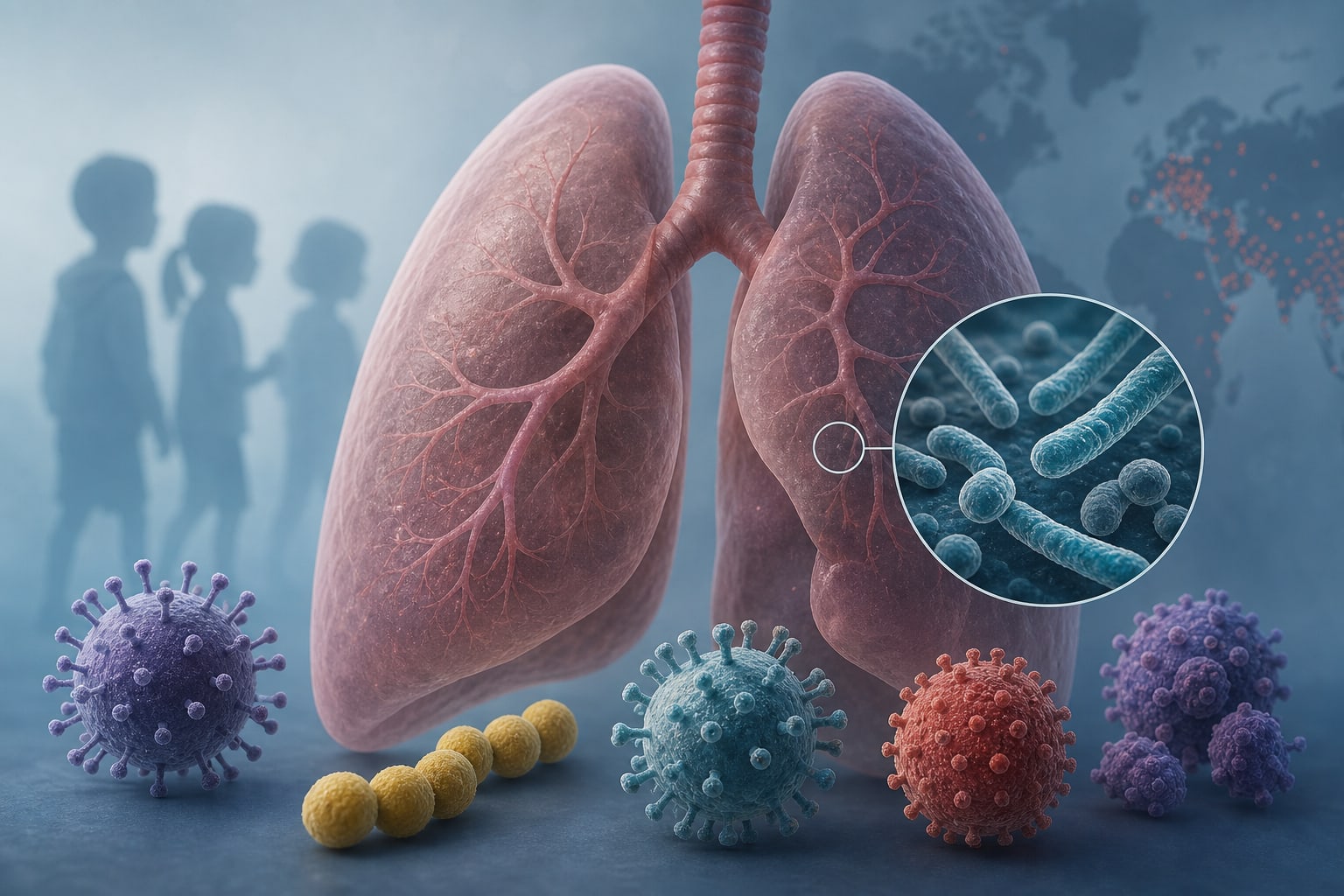
This editorial highlights advancements and challenges in pediatric infectious diseases, including shifts in epidemiological patterns and emerging pathogens.
Background
Pediatric infectious diseases impact children's health and family well-being while contributing to socioeconomic burdens. The COVID-19 pandemic has led to unusual patterns of respiratory infections and outbreaks of previously rare diseases.
Data Highlights
No specific numerical data or trial data provided in the editorial.
Key Findings
Conditions like scarlet fever and measles saw a resurgence prior to the COVID-19 pandemic.
Post-pandemic, unusual seasonal rebounds of respiratory syncytial virus (RSV) and influenza have been observed.
Emerging pathogens such as Naegleria fowleri and Rickettsia felis require clinical awareness.
Long-term epidemiological studies reveal shifts in disease patterns and co-circulation of pathogens in pediatric populations.
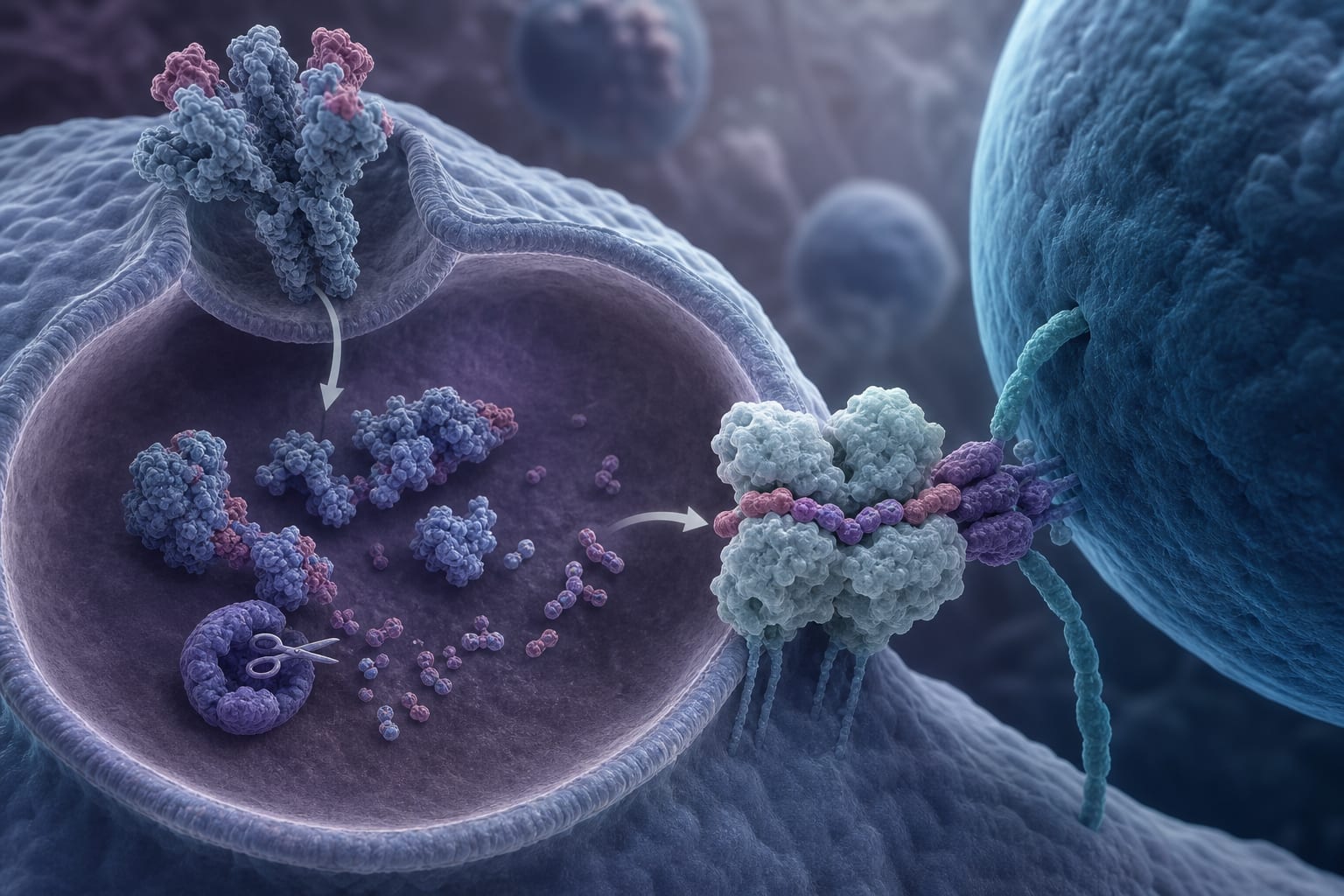
Innovative diagnostic technologies and clinical management strategies are discussed in relation to antimicrobial resistance.
Clinical Implications
Healthcare professionals should consider the implications of emerging pathogens in clinical practice.
Conclusion
The editorial discusses ongoing research and collaboration in pediatric infectious diseases.