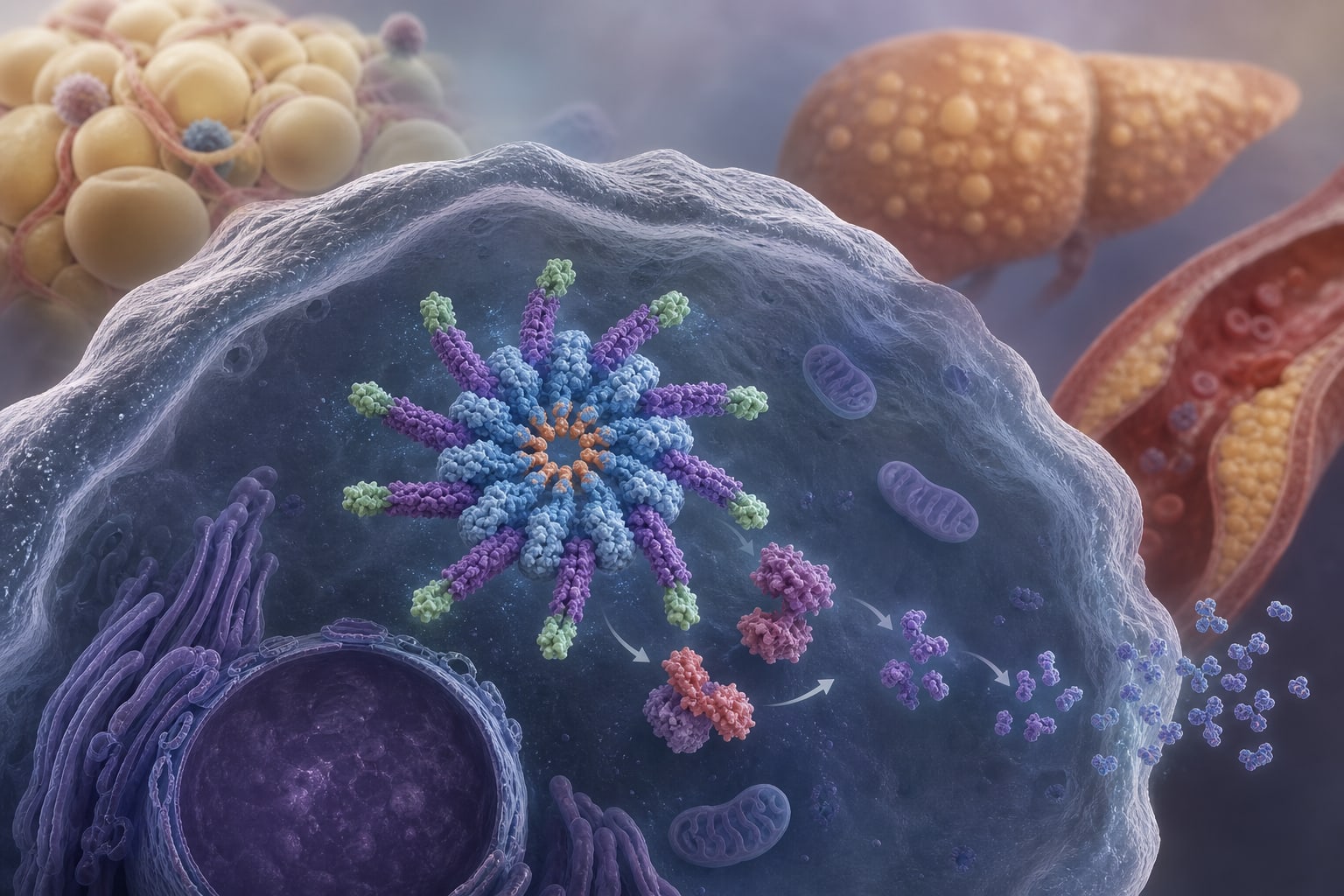
Clinical Report: Polystyrene Nanoplastics Induce Inflammation and Accelerate Aging
Overview
This study investigates the effects of polystyrene nanoplastics (PS-NPs) on inflammation and aging in young mice. Findings indicate that PS-NPs exposure leads to increased cellular senescence markers and inflammatory cytokines, alongside significant alterations in oral and gut microbiota.
Background
Nanoplastics are pervasive environmental pollutants that can enter the human body through various routes, posing potential health risks. Understanding their impact on health, particularly in young organisms, is crucial as they may exacerbate inflammatory responses and accelerate aging processes. This study provides insights into the mechanisms by which PS-NPs affect the oral-gut microbiota axis, contributing to inflammation and aging.
PS-NPs exposure increased cellular senescence markers in lung and liver tissues.
Inflammatory cytokines IL-1β, IL-6, and TNF-α were significantly elevated.
PS-NPs exposure led to decreased expression of antioxidant genes.
16S rRNA sequencing revealed dysbiosis in oral and gut microbiota.
The p38 MAPK pathway was modulated, promoting inflammation.
Clinical Implications
The findings suggest that exposure to polystyrene nanoplastics may have significant implications for young individuals, potentially leading to increased inflammation and accelerated aging. Clinicians should be aware of environmental exposures to nanoplastics and their possible health effects, particularly in vulnerable populations.
Conclusion
This study highlights the detrimental effects of polystyrene nanoplastics on inflammation and aging through disruption of the oral-gut microbiota axis. Further research is needed to explore the long-term health implications of nanoplastic exposure.