Clinical Report: Bariatric Surgery Outcomes in Young Adults vs Adults
Overview
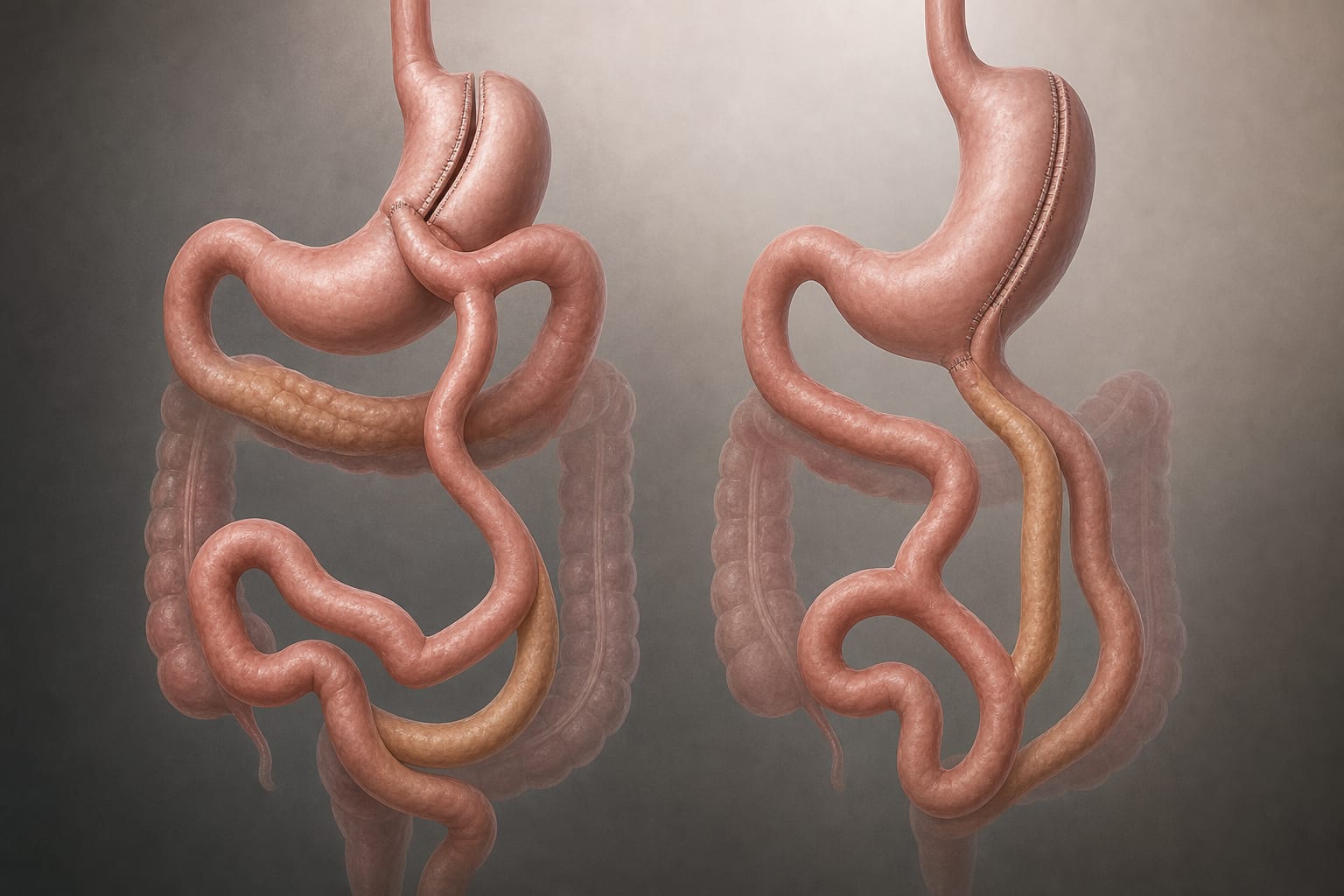
This population-based cohort study compared weight loss, complications, and comorbidity outcomes after Roux-en-Y gastric bypass (RYGB) or sleeve gastrectomy (SG) between young adults (18–25 years) and adults (35–55 years). Young adults demonstrated superior weight loss up to five years postoperatively but experienced higher rates of serious adverse events following RYGB. Comorbidity improvements were assessed up to two years post-surgery, highlighting the efficacy and safety nuances between age groups.
Background
Bariatric surgery is the most effective treatment for severe obesity, with growing evidence supporting its use in young adults to reduce long-term exposure to obesity-related comorbidities such as type 2 diabetes mellitus. Despite potential benefits, bariatric surgery utilization in young adults remains lower than in older adults, partly due to limited data on efficacy and safety in this group. Previous studies have shown comparable or superior weight loss in younger patients but also indicated higher complication rates after RYGB. This study aims to clarify these outcomes by comparing young adults and adults undergoing RYGB or SG using nationwide registry data.
Data Highlights
The study included young adults aged 18–25 years and adults aged 35–55 years who underwent primary RYGB or SG between 2015 and 2020 in the Netherlands. Weight loss was measured as percentage total weight loss (%TWL) from one to five years postoperatively, with successful weight loss defined as %TWL ≥ 20%. Complications were classified using the Clavien-Dindo system, and comorbidity status was assessed up to two years post-surgery. Statistical analyses included linear mixed models adjusting for confounders and sensitivity analyses for follow-up duration.
Key Findings
Young adults achieved significantly greater %TWL compared to adults up to five years after bariatric surgery.
Serious adverse events (Clavien-Dindo ≥ 3b) were more frequent in young adults following RYGB but not after SG.
Sleeve gastrectomy was the most commonly performed procedure and included in the analysis, unlike some prior studies.
Weight regain was defined as ≥ 20% regain of lost weight after initial successful weight loss, monitored during follow-up visits.
Obesity-related comorbidities such as T2DM, hypertension, and dyslipidemia showed improvement or remission up to two years postoperatively in both age groups.
Young adults had a shorter duration of exposure to obesity-related comorbidities pre-surgery, potentially contributing to better outcomes.
Clinical Implications
Clinicians should consider bariatric surgery as an effective intervention for young adults with severe obesity, given their superior weight loss outcomes and potential for earlier comorbidity remission. However, the increased risk of serious complications following RYGB in young adults warrants careful patient selection and monitoring. Sleeve gastrectomy may offer a favorable safety profile in this population. These findings support informed shared decision-making regarding bariatric surgery timing and procedure choice in younger patients.
Conclusion
Bariatric surgery in young adults yields superior weight loss compared to older adults but carries a higher risk of serious complications after RYGB. Incorporating these data into clinical practice can optimize patient outcomes by balancing efficacy and safety considerations across age groups.
References
Dutch Audit Treatment of Obesity (DATO) Registry -- National Bariatric Surgery Data