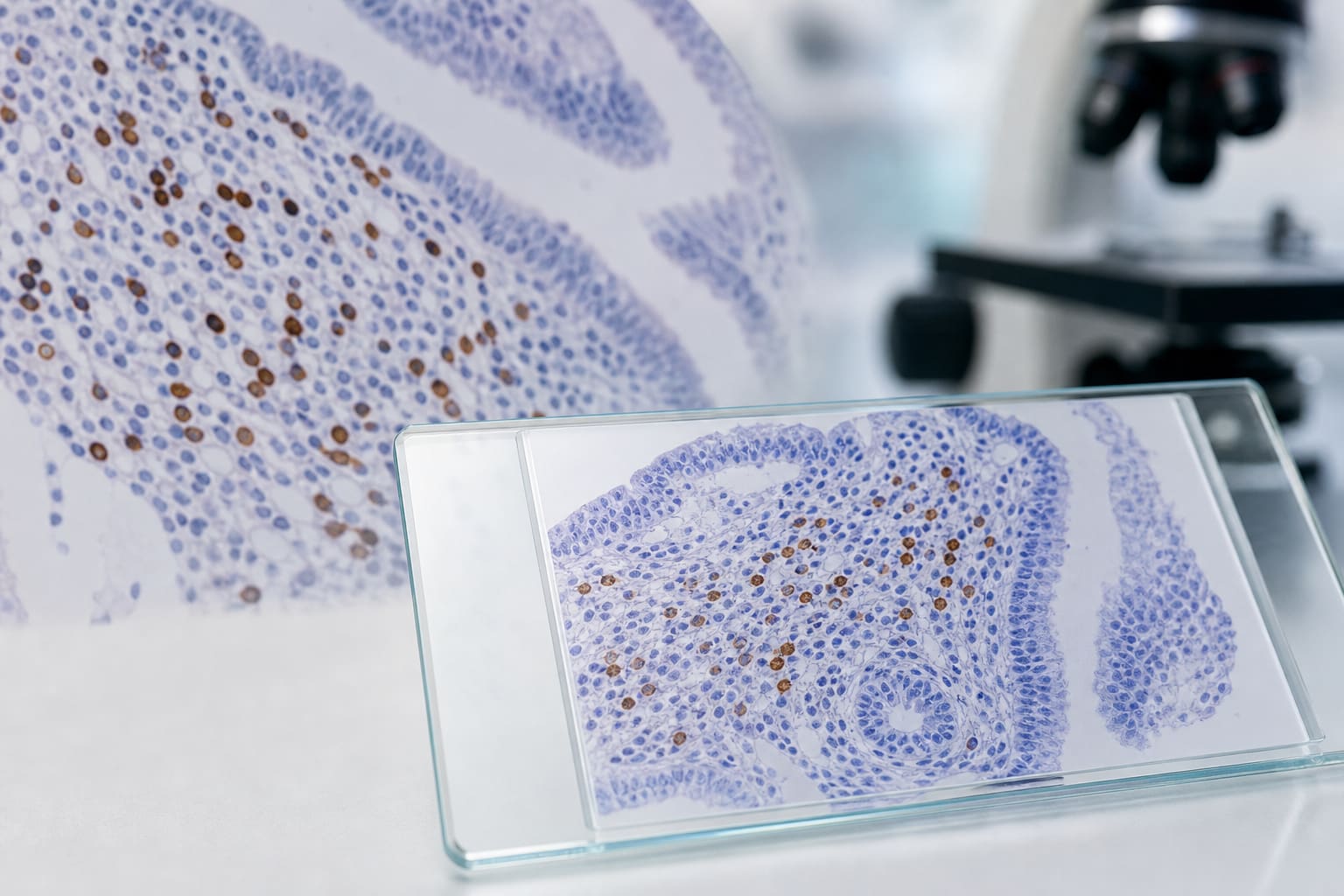
Early screening and post-treatment chronic endometritis in subsequent frozen embryo transfer cycles among women with first implantation failure: a retrospective cohort study - Report - MDSpire

Early screening and post-treatment chronic endometritis in subsequent frozen embryo transfer cycles among women with first implantation failure: a retrospective cohort study

  • By

  • Longlong Wei

  • Yixuan Zhang

  • Shuna Wang

  • Siyue Xu

  • Weiran Hu

  • July 8, 2026

  • 0 min

Share

Impact of Early Detection and Management of Chronic Endometritis on Subsequent Frozen Embryo Transfer Cycles

Overview

This study evaluates the effects of chronic endometritis (CE) on pregnancy outcomes in women experiencing first implantation failure (FIF) during frozen-thawed embryo transfer (FET) cycles.

Background

First implantation failure (FIF) is a significant issue in IVF/ICSI, with many women progressing to recurrent implantation failure (RIF). Chronic endometritis (CE) has been linked to implantation failure and poor reproductive outcomes.

Data Highlights

OutcomeCE StatusRate (%)
Live Birth RatePersistent CE (≥5 CD138-positive cells/HPF)28.3
Live Birth RateCD138-positive/HPF ≤441.8
Clinical Pregnancy RatePersistent CE39.6
Clinical Pregnancy RateCD138-positive/HPF ≤456.6

Key Findings

  • CE was identified in 16.8% of women experiencing FIF.
  • The cure rate for CE after two courses of antibiotic treatment was 89.1%.
  • No significant difference in pregnancy outcomes was found between women with CD138-positive counts of 0/HPF and those with counts of 1-4/HPF.
  • Women with persistent CE had lower live birth rates (28.3% vs. 41.8%) and clinical pregnancy rates (39.6% vs. 56.6%) compared to those with CD138-positive/HPF ≤4.
  • In IPTW-weighted analysis, persistent CE was associated with lower clinical pregnancy rates (weighted OR 0.65).

Clinical Implications

Clinicians should consider the CD138-positive plasma cell count as a diagnostic criterion when evaluating women for potential endometrial abnormalities.

Conclusion

The study examines the management of chronic endometritis in women with first implantation failure.

Related Resources & Content

  1. BMC Pregnancy and Childbirth, 2026 -- Association of cured chronic endometritis after antibiotic treatment with outcomes of the subsequent frozen-thawed embryo transfer cycle among women with first implantation failure
  2. The Journal of Clinical Endocrinology & Metabolism — Effects of Negative Pregnancy Experiences in the First IVF Cycle on Future Pregnancy Results
  3. Frontiers in Endocrinology — Outcomes of frozen embryo transfers from a large monocentric cohort (2982 cycles): towards a preferential use of cycles with a corpus luteum for endometrial preparation
  4. Frontiers in Endocrinology — The predictive value of fresh embryo transfer pregnancy results on frozen embryo transfer outcomes: a cohort study
  5. Frontiers in Endocrinology — Impact of interval after fresh cycle cancellation on first frozen embryo transfer outcomes
  6. American Society for Reproductive Medicine recurrent implantation failure: a committee opinion
  7. The impact of CD138 plasma cell severity on IVF-ET outcomes in women with untreated chronic endometritis: a systematic review and meta-analysis - PMC
  8. Association of cured chronic endometritis after antibiotic treatment with outcomes of the subsequent frozen-thawed embryo transfer cycle among women with first implantation failure: a retrospective cohort study | BMC Pregnancy and Childbirth | Springer Nature Link

Original Source(s)

Related Content