Clinical Report: Impact of Probiotics on Mortality, NEC, and Sepsis in Infants
Overview
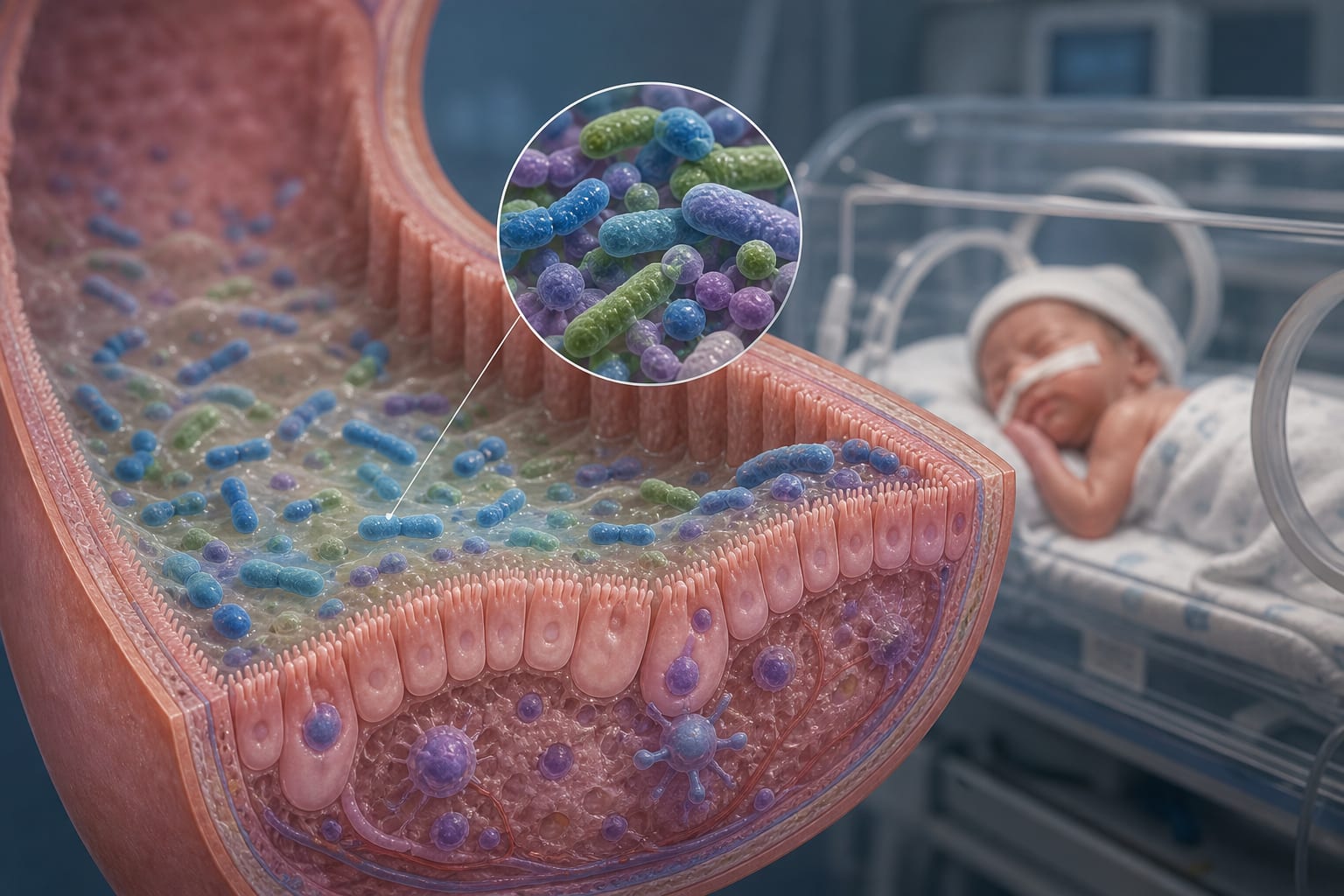
This cohort study investigates the effects of probiotic supplementation on mortality, necrotizing enterocolitis (NEC), and sepsis in extremely preterm infants. Findings indicate that the impact of probiotics on NEC incidence and all-cause mortality requires further investigation.
Background
Necrotizing enterocolitis (NEC) is a significant cause of morbidity and mortality in preterm infants, particularly those born extremely preterm. Probiotic supplementation has been proposed as a strategy to mitigate NEC risk. However, the clinical application of probiotics varies widely, and concerns regarding their safety and efficacy persist.
Data Highlights
No specific numerical data was provided in the source material.
Key Findings
Probiotic supplementation became standard care for very preterm infants in Swedish NICUs in 2020.
The preparation used included Bifidobacterium infantis Bb-02, Bifidobacterium lactis BB-12, and Streptococcus thermophilus TH-4.
Probiotic use is associated with reduced NEC incidence in some studies, but findings vary significantly across different research.
Concerns about product quality and safety have led to hesitance in routine probiotic use in clinical practice.
The European Society for Paediatric Gastroenterology, Hepatology and Nutrition conditionally supports specific probiotic strains for preterm infants.
Clinical Implications
Ongoing assessment of safety and efficacy is essential as guidelines evolve.
Conclusion
The role of probiotics in managing NEC and mortality in extremely preterm infants remains an area of active investigation.