Assessment of Hypertensive Retinopathy Severity and Associated Factors in Adult Patients at Ophthalmic Clinics in Northern Ethiopia: A Multicenter Cross-Sectional Analysis - Report - MDSpire

Assessment of Hypertensive Retinopathy Severity and Associated Factors in Adult Patients at Ophthalmic Clinics in Northern Ethiopia: A Multicenter Cross-Sectional Analysis

  • By

  • Yitayal Abebe Gudayneh

  • Abebech Tewabe Gelaye

  • Sisay Eshete Tadesse

  • April 21, 2026

  • 0 min

Share

Clinical Report: Assessment of Hypertensive Retinopathy Severity in Ethiopia

Overview

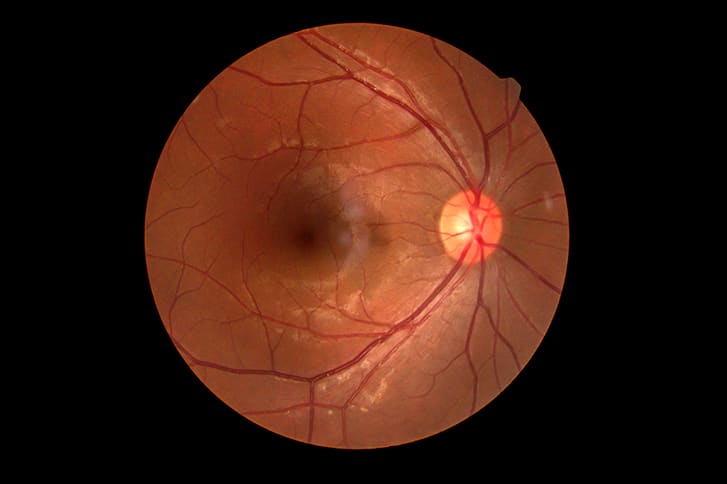
This study evaluates the severity of hypertensive retinopathy (HR) and its associated factors among adult patients in Northern Ethiopia. Findings indicate a significant prevalence of moderate to severe HR linked to poorly controlled hypertension and comorbid conditions.

Background

Hypertensive retinopathy is a critical microvascular complication of systemic hypertension, reflecting damage to the retinal vasculature. Understanding the severity and determinants of HR is essential for early identification of high-risk patients and prevention of visual impairment, particularly in low-resource settings where hypertension is prevalent and often poorly managed.

Data Highlights

No numerical data available in the provided material.

Key Findings

  • Hypertensive retinopathy is prevalent among hypertensive patients in Northern Ethiopia.
  • Severe HR is associated with poorly controlled blood pressure and comorbid conditions such as diabetes mellitus.
  • Older age and long duration of hypertension contribute to the severity of HR.
  • Access to healthcare services impacts the management and outcomes of HR.
  • Regular follow-up for hypertension may mitigate the severity of HR.

Clinical Implications

Healthcare providers should prioritize regular retinal assessments in hypertensive patients to identify those at risk for severe hypertensive retinopathy. Improved management of hypertension and associated comorbidities is crucial to prevent visual impairment and systemic complications.

Conclusion

The study underscores the importance of understanding the determinants of hypertensive retinopathy severity to enhance patient care in resource-limited settings. Addressing hypertension management can significantly impact the prevalence of HR.

References

  1. BMC Ophthalmology, 2026 -- Severity of hypertensive retinopathy and its determinants among adult patients attending ophthalmic centers in Northern Ethiopia: A multicenter cross-sectional study
  2. Retinal Physician, 2013 -- Current Concepts In Hypertensive Retinopathy
  3. Retinal Physician, 2024 -- Cardiovascular Health Linked to Lower Retinopathy Risk in US Adults
  4. optometric management — Case Study: Electroretinography in Diabetic Retinopathy 
  5. The Journal of Clinical Endocrinology & Metabolism — Association of Extracellular Water to Total Body Water Ratio with Severe Diabetic Retinopathy in Individuals with Type 2 Diabetes
  6. Guideline for the Prevention, Detection, Evaluation, and Management of High Blood Pressure in Adults
  7. Classification of Hypertensive Retinopathy by Wong and Mitchell
  8. Severity of hypertensive retinopathy and its determinants among adult patients attending ophthalmic centers in Northern Ethiopia: A multicenter cross-sectional study | BMC Ophthalmology | Springer Nature Link

Original Source(s)

Related Content