Clinical Report: The Role of the Immune System in Regulating Physiological Processes
Background
The immune system is crucial for maintaining physiological homeostasis and responding to pathogens. Understanding its mechanisms, including self-nonself discrimination and immune tolerance, is essential for addressing autoimmune diseases and infections.
Data Highlights
No numerical data available in the source material.
Key Findings
The immune system manages both foreign and self-antigens through mechanisms like waste disposal and tissue repair.
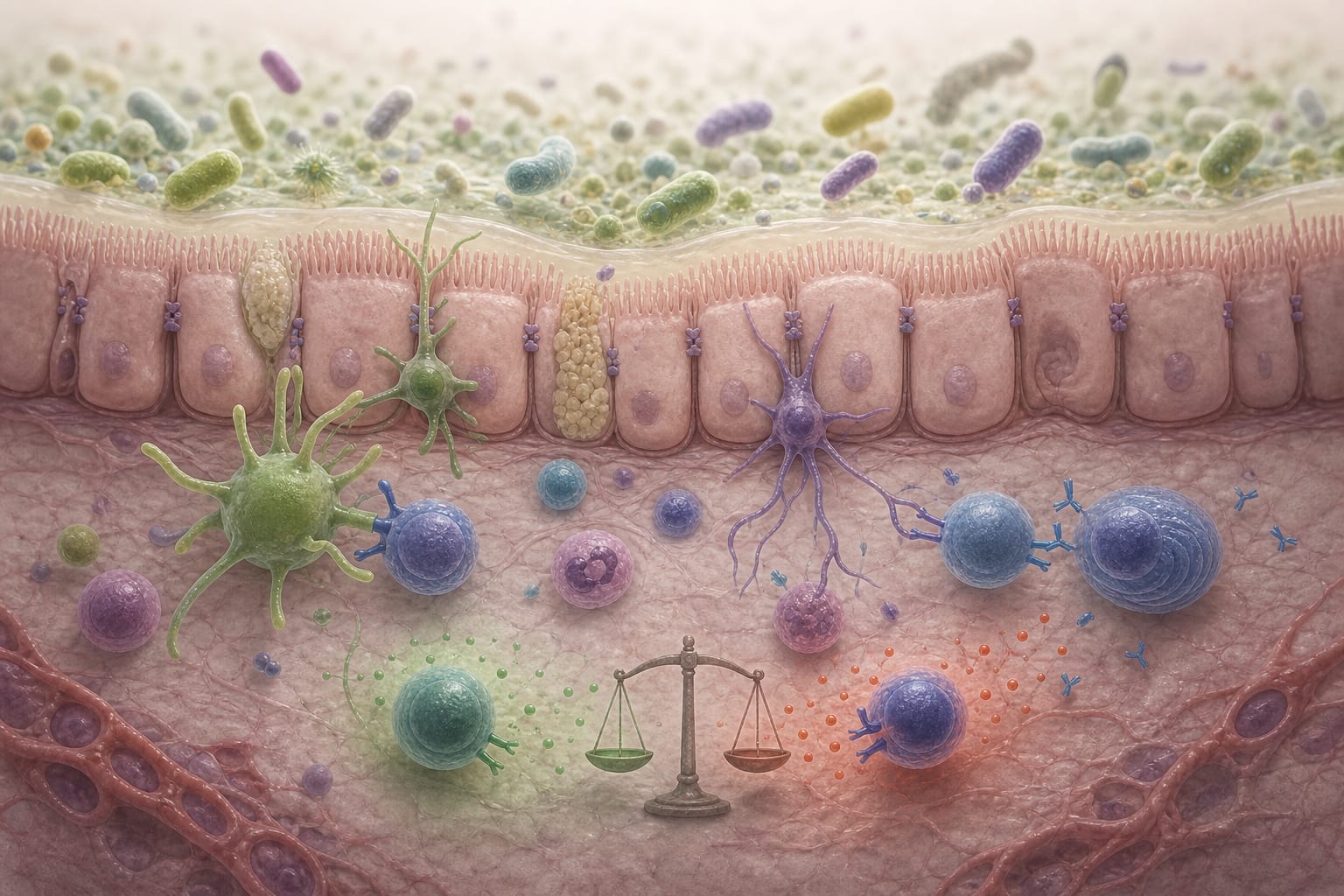
Immune tolerance allows the system to coexist with microbiome antigens without eliciting a response.
Autoimmune diseases arise when immune competence is impaired, leading to responses against self-antigens.
Asymptomatic individuals can harbor latent infections, controlled by a competent immune system.
Only a small fraction of microbial species are pathogenic.
Clinical Implications
Clinicians should consider the state of immune competence when evaluating patients for autoimmune diseases and infections. Understanding the balance of immune tolerance and response can inform treatment strategies and patient management.
Conclusion
The immune system plays a vital role in regulating physiological processes, with its competence being critical for preventing disease. Ongoing research into its mechanisms will enhance our understanding of immune-related disorders.