Clinical Report: Transformative Treatment Approaches for Initially Unresectable Intrahepatic Cholangiocarcinoma
Background
Intrahepatic cholangiocarcinoma (ICC) is a highly aggressive cancer with increasing incidence and poor prognosis, particularly for patients diagnosed at advanced stages. The standard first-line treatment, gemcitabine and cisplatin, has limited effectiveness.
Data Highlights
No numerical data or trial data available in the source material.
Key Findings
The patient initially presented with unresectable ICC due to extensive tumor infiltration and inadequate future liver remnant.
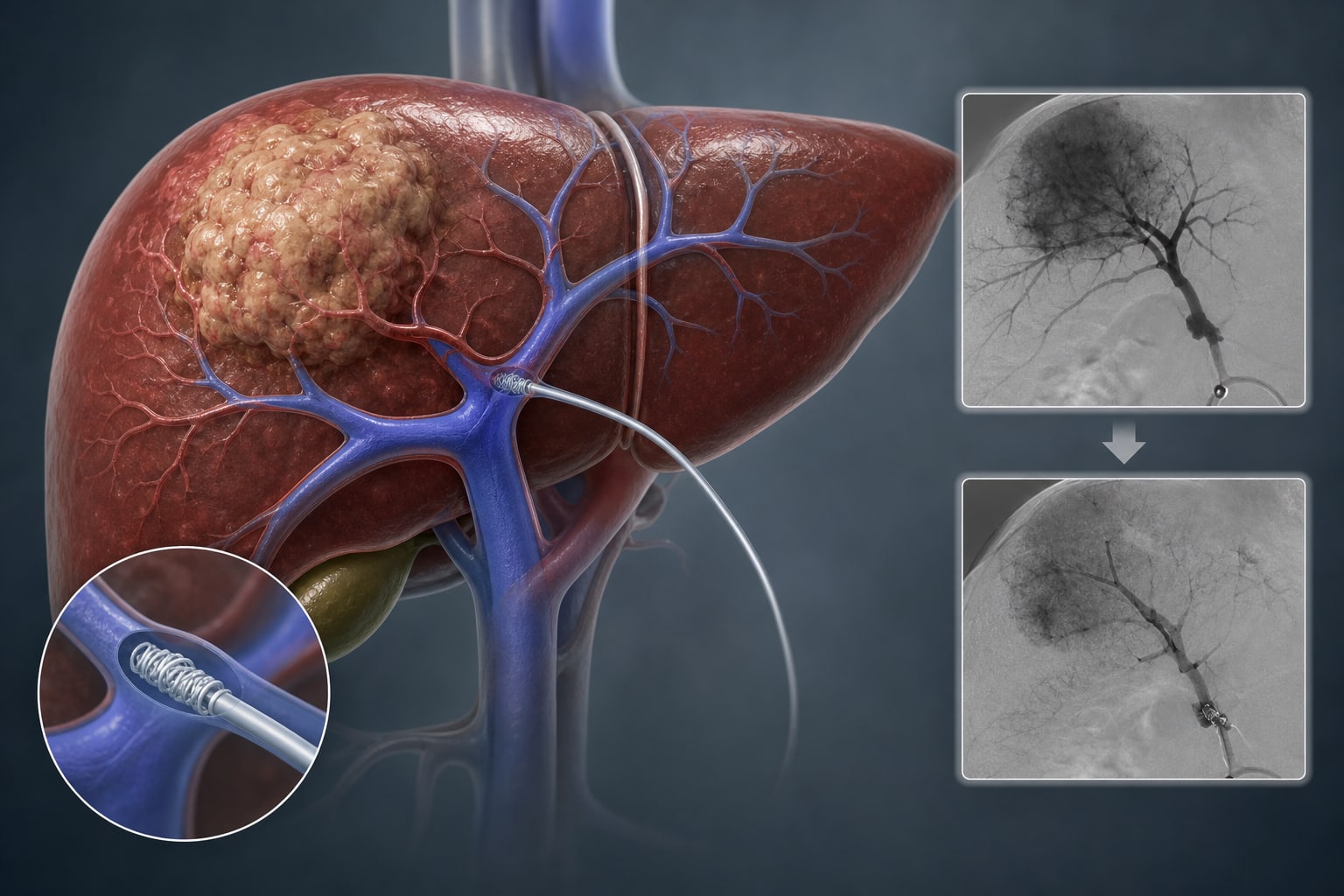
Conversion therapy included percutaneous portal vein embolization (PVE), surufatinib, sintilimab, and FOLFOX chemotherapy.
The patient successfully underwent radical liver resection and had a smooth recovery.
At 28 months follow-up, the patient remained disease-free with no signs of recurrence.
Clinical Implications
The case illustrates the potential of multimodal conversion therapy in managing initially unresectable ICC, combining anti-tumor effectiveness with clinical practicality. This approach may serve as a model for future treatment strategies in similar patient populations.
Conclusion
The successful application of conversion therapy in this case suggests a promising direction for treating advanced ICC. Further studies are warranted to validate these findings in larger cohorts.