Clinical Report: Kimura disease manifesting as a soft tissue mass in the right lower leg
Background
Kimura disease is a rare chronic inflammatory disorder primarily affecting the head and neck, characterized by soft tissue masses, elevated eosinophil counts, and high serum IgE levels. Its atypical presentations, particularly in the extremities, can lead to diagnostic uncertainty and misclassification.
Data Highlights
No numerical data or trial data provided in the article.
Key Findings
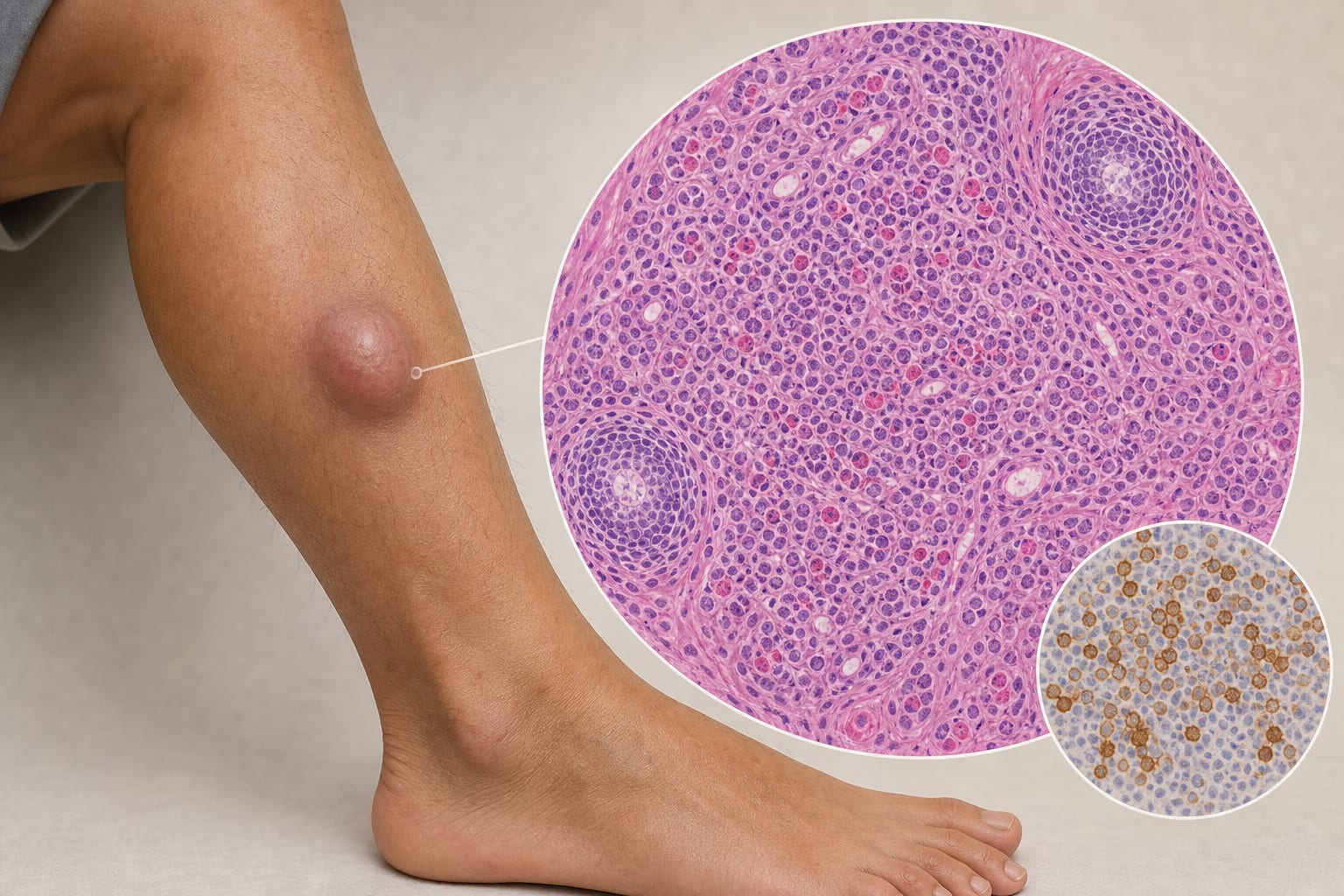
A 53-year-old male presented with a localized mass in the right lower leg, atypical for Kimura disease.
Physical examination revealed a spindle-shaped mass without tenderness or overlying skin changes.
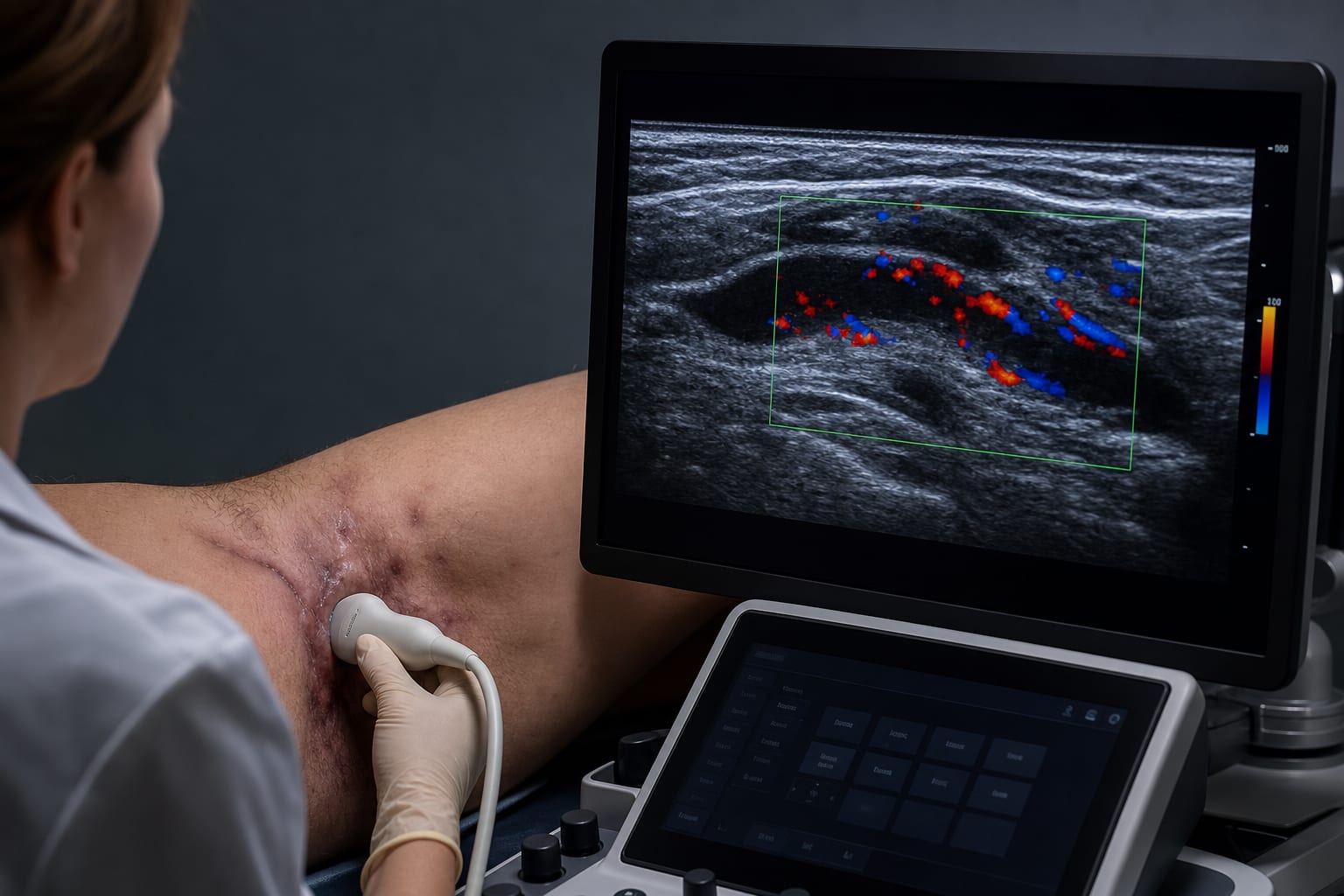
Imaging studies indicated a solid, well-circumscribed mass with internal vascularity.
Laboratory tests showed normal eosinophil count and serum IgE levels, diverging from typical KD presentations.
The case emphasizes the importance of histopathological examination in diagnosing atypical KD presentations.
A systematic review of 12 cases from 2015 to 2025 was conducted to identify common diagnostic and treatment aspects of KD.
Clinical Implications
Clinicians should consider Kimura disease in patients presenting with soft tissue masses in atypical locations, even in the absence of classical laboratory findings.
Conclusion
This case highlights the diagnostic challenges of Kimura disease when it presents in uncommon anatomical sites.