Clinical Insights from Disney Princesses and Unusual Medical Cases
Overview
This report highlights a creative clinical analysis of Disney princesses as patients, revealing various health risks, alongside summaries of recent medical studies and case reports addressing environmental toxins, rare infections, neurodegeneration, odontogenic abscesses, and workplace communication.
Background
Reimagining fictional characters through a clinical lens can uncover real-world health hazards, as demonstrated by the University of Twente's assessment of Disney princesses. Concurrently, emerging research addresses global health challenges such as arsenic contamination and rare infectious diseases. Advances in neurotherapeutics and the complexities of odontogenic infections further illustrate the breadth of clinical medicine. Additionally, social dynamics in professional communication are being explored through the lens of emoji usage.
Data Highlights
| Study/Case | Key Data |
|---|---|
| Arsenic Removal | Detection range: 0.64–1300 mg/L; Removal >98% from 35 mg/L in 6 hours; Reduced arsenic to 0.69 mg/L; Below WHO limit (10 μg/L) in contaminated well water (~227 μg/L); Cost: $0.07/L; Reusable up to 5 times |
| Intranasal EVs in Mice | Dose: 12 × 10⁹ EVs; Age: 18 to 20.5 months; Outcomes: Reduced astrocyte hypertrophy, microglial inflammation, oxidative stress; Improved cognition |
| Diabetic Foot Aspergillosis | Patient: 60-year-old; Lesion: 4 cm plantar swelling; Diagnosis: Aspergillus fumigatus; Treatment: IV antifungals, surgery, glycemic control; Outcome: Good recovery |
| Odontogenic Abscess Case | Patient: 65-year-old man; Infection: Retropharyngeal abscess extending epidurally; Pathogen: MSSA; Outcome: Death due to heart failure despite intervention |
| Emoji Workplace Study | Participants: 243; Findings: Positive emojis improve competence if message is neutral/positive; Negative emojis reduce competence and appropriateness; Gender effect on perception of negative messages |
Key Findings
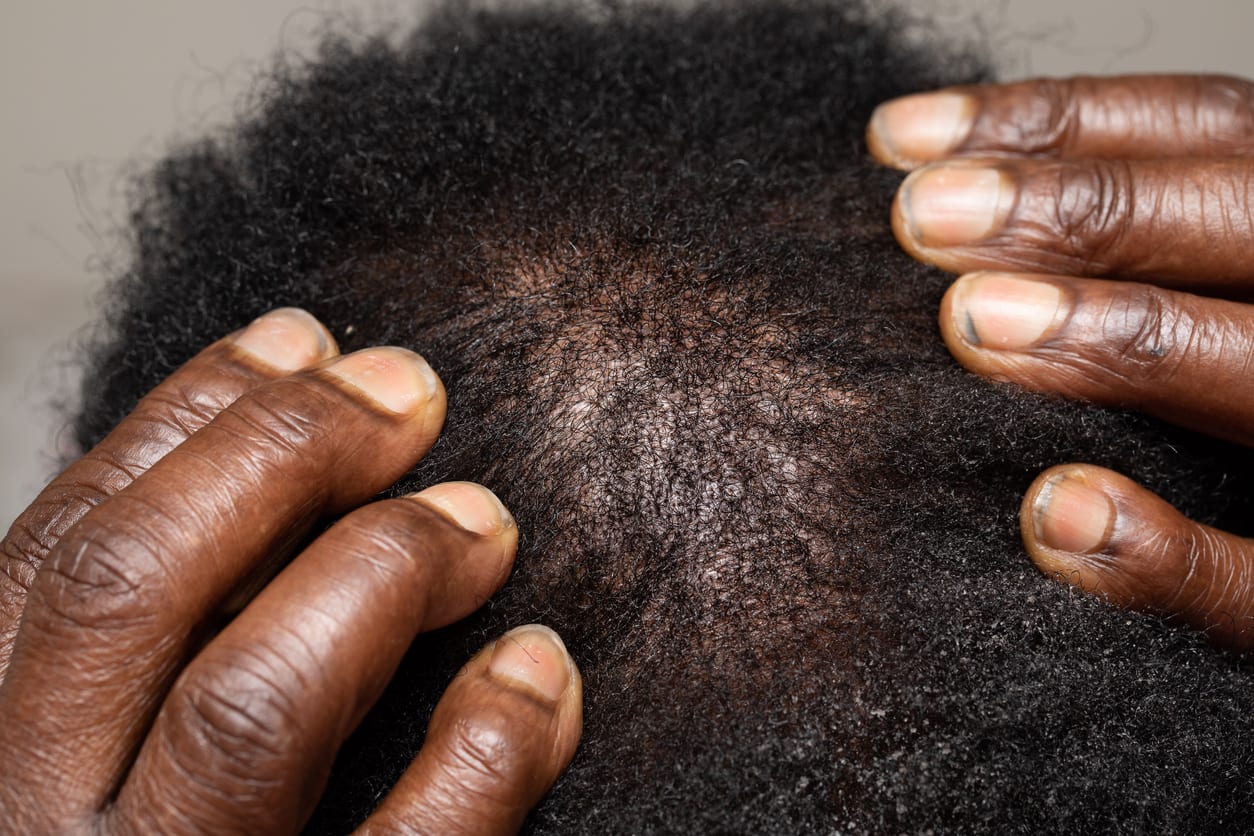
- Disney princesses exhibit clinical risks such as social isolation, occupational lung disease, injury from falls, cardiometabolic complications, zoonoses, traction alopecia, and mental health strain.
- A low-cost, reusable cellulose-based 'teabag' with magnetic nanoparticles effectively removes arsenic from contaminated water, achieving levels below WHO safety limits.
- Invasive plantar aspergillosis can present subtly in diabetic patients with soil exposure, requiring combined antifungal therapy and surgical intervention.
- Intranasal administration of neural stem cell–derived extracellular vesicles reduces neuroinflammation and oxidative stress in aging mice, improving cognitive function.
- Odontogenic infections can rapidly progress to life-threatening retropharyngeal and epidural abscesses, underscoring the need for early dental evaluation in systemic infections.
- Use of emojis in professional communication influences perceived competence and appropriateness, with negative emojis generally detrimental and gender differences affecting interpretation.
Clinical Implications
Clinicians should recognize the diverse and sometimes unexpected health risks illustrated by fictional and real cases, emphasizing comprehensive patient evaluation including social, occupational, and environmental factors. Innovative low-cost interventions like arsenic removal teabags offer practical solutions in resource-limited settings. Awareness of rare infections and the potential severity of odontogenic abscesses is critical for timely diagnosis and management. Additionally, understanding the impact of digital communication nuances can improve professional interactions.
Conclusion
This collection of clinical insights—from imaginative patient profiles to cutting-edge research and case reports—highlights the importance of broad clinical awareness and innovative approaches in improving patient outcomes and healthcare communication.
Related Resources & Content
- BMJ -- Disney, But Make It Clinical
- ACS Omega -- Low-cost arsenic detection and removal
- Open Journal of Clinical & Medical Case Reports -- Invasive plantar aspergillosis in diabetes
- Wiley Online Library -- Intranasal neural stem cell EVs in aging mice
- American Journal of Case Reports -- Odontogenic abscess leading to epidural infection
- Collabra: Psychology -- Emoji use and professional impressions
This content is an AI-generated, fully rewritten summary based on a published scholarly article. It does not reproduce the original text and is not a substitute for the original publication. Readers are encouraged to consult the source for full context, data, and methodology.