From risk factors to molecular targets: clinical associations and molecular docking insights into phthalate-associated diabetic retinopathy - Report - MDSpire
Clinical Report: Identifying Risk Factors and Molecular Targets in Diabetic Retinopathy
Overview
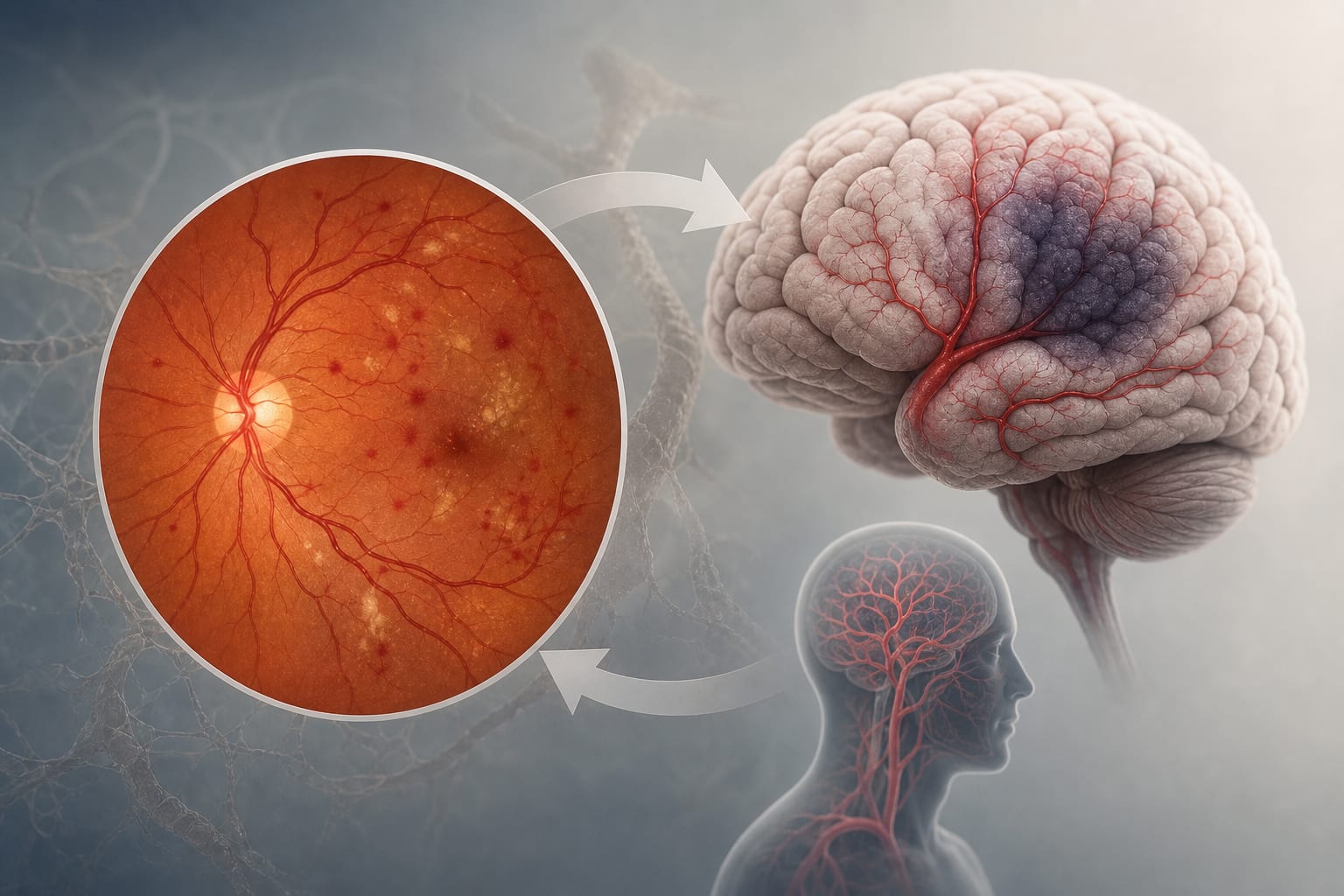
This study identifies novel risk factors for diabetic retinopathy (DR) and explores the role of phthalate exposure in its pathogenesis. Key findings include associations between outdoor time, vitamin D levels, electronic device use, and urinary phthalates with DR risk.
Background
Diabetic retinopathy is a significant complication of diabetes, affecting approximately 22.27% of diabetic patients globally. The increasing prevalence of DR necessitates the identification of modifiable risk factors to improve patient outcomes. Understanding environmental influences, such as phthalate exposure, may provide new insights into DR prevention and management.
Data Highlights
Factor
Odds Ratio (OR)
95% Confidence Interval (CI)
Weekday outdoor time
3.18
1.36–7.95
Serum epi-25-hydroxyvitamin D3
0.80
0.64–0.97
Electronic device use
0.67
0.43–0.98
Cataract
11.0
1.77–99.8
Key Findings
Longer weekday outdoor time is associated with higher odds of DR (OR = 3.18).
Higher serum levels of epi-25-hydroxyvitamin D3 correlate with lower odds of DR (OR = 0.80).
Less electronic device use correlates with lower odds of DR (OR = 0.67).
Cataract presence is strongly associated with DR (OR = 11.0).
Urinary levels of mono-isobutyl phthalate (MiBP) show inverse associations with DR.
Network toxicology identified 123 overlapping target genes related to DR pathways.
Clinical Implications
Healthcare professionals should consider environmental exposures, such as phthalates, when assessing DR risk. Additionally, promoting outdoor activities and monitoring vitamin D levels may be beneficial in reducing DR incidence. Regular screening remains essential for early detection and intervention.
Conclusion
This study underscores the importance of identifying both clinical and environmental risk factors for diabetic retinopathy. Further research is warranted to explore the mechanisms linking phthalate exposure to DR.