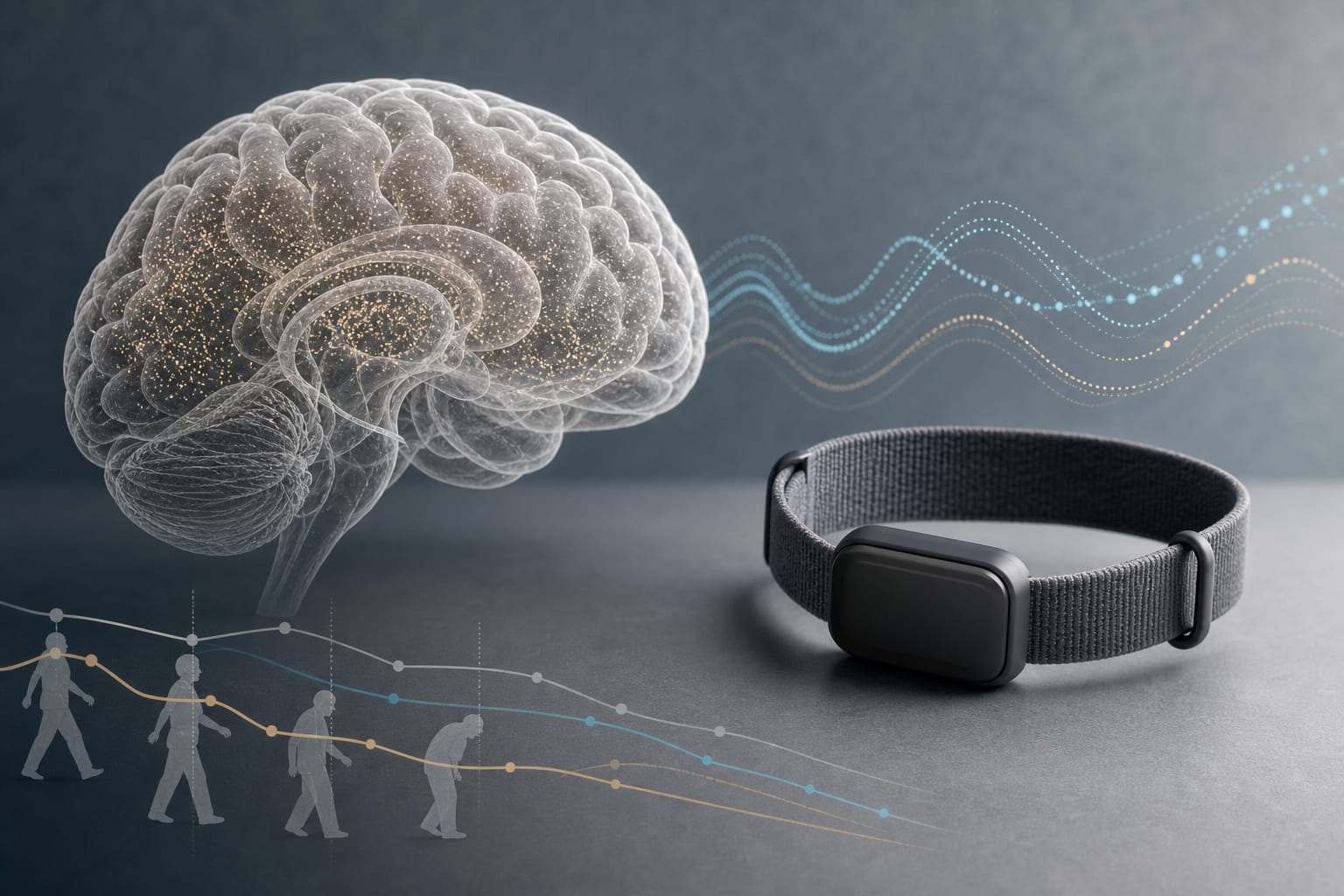
Cognitive Patterns and Later Movement Behaviors Assessed by Accelerometers in Elderly Individuals
Overview
This cohort study investigates the relationship between long-term cognitive trajectories and subsequent movement behaviors in older adults. Using data from the English Longitudinal Study of Ageing, it highlights the importance of objectively assessed movement behaviors in understanding cognitive health.
Background
Dementia poses a significant public health challenge, with physical activity and sedentary behavior emerging as modifiable risk factors for cognitive decline. Understanding the interplay between cognitive aging and movement behaviors is crucial for developing effective interventions aimed at maintaining cognitive health in older adults. This study addresses gaps in previous research by utilizing objective measures of movement behaviors over an extended period.
Data Highlights
{'Moderate to Vigorous Physical Activity (MVPA)': 'data not provided', 'Light Physical Activity (LPA)': 'data not provided', 'Sedentary Behavior (SB)': 'data not provided', 'Sleep Time': 'data not provided'}
Key Findings
Long-term cognitive trajectories were modeled over 17 years using data from the English Longitudinal Study of Ageing.
Movement behaviors were assessed using accelerometers, providing objective data on physical activity and sedentary time.
Higher levels of physical activity were associated with better cognitive performance and slower cognitive decline.
Understanding the relationship between cognitive decline and movement behaviors is essential for designing effective interventions.
Previous studies relied on self-reported data, which may not accurately reflect actual movement behaviors.
Clinical Implications
Clinicians should consider the role of movement behaviors in cognitive health assessments for older adults. Encouraging physical activity and reducing sedentary time may help mitigate cognitive decline and improve overall well-being in this population.
Conclusion
The findings underscore the importance of objectively measuring movement behaviors to better understand their relationship with cognitive health in older adults. This knowledge can inform future interventions aimed at promoting cognitive resilience.