The global clinical trial landscape of PD-1-containing bispecific antibodies for gastric cancer: current status and future directions of targeting immune tolerance - Report - MDSpire
Advertisement
The global clinical trial landscape of PD-1-containing bispecific antibodies for gastric cancer: current status and future directions of targeting immune tolerance
Clinical Report: The Worldwide Clinical Trial Landscape for PD-1-Targeting Bispecific Antibodies in Gastric Cancer
Background
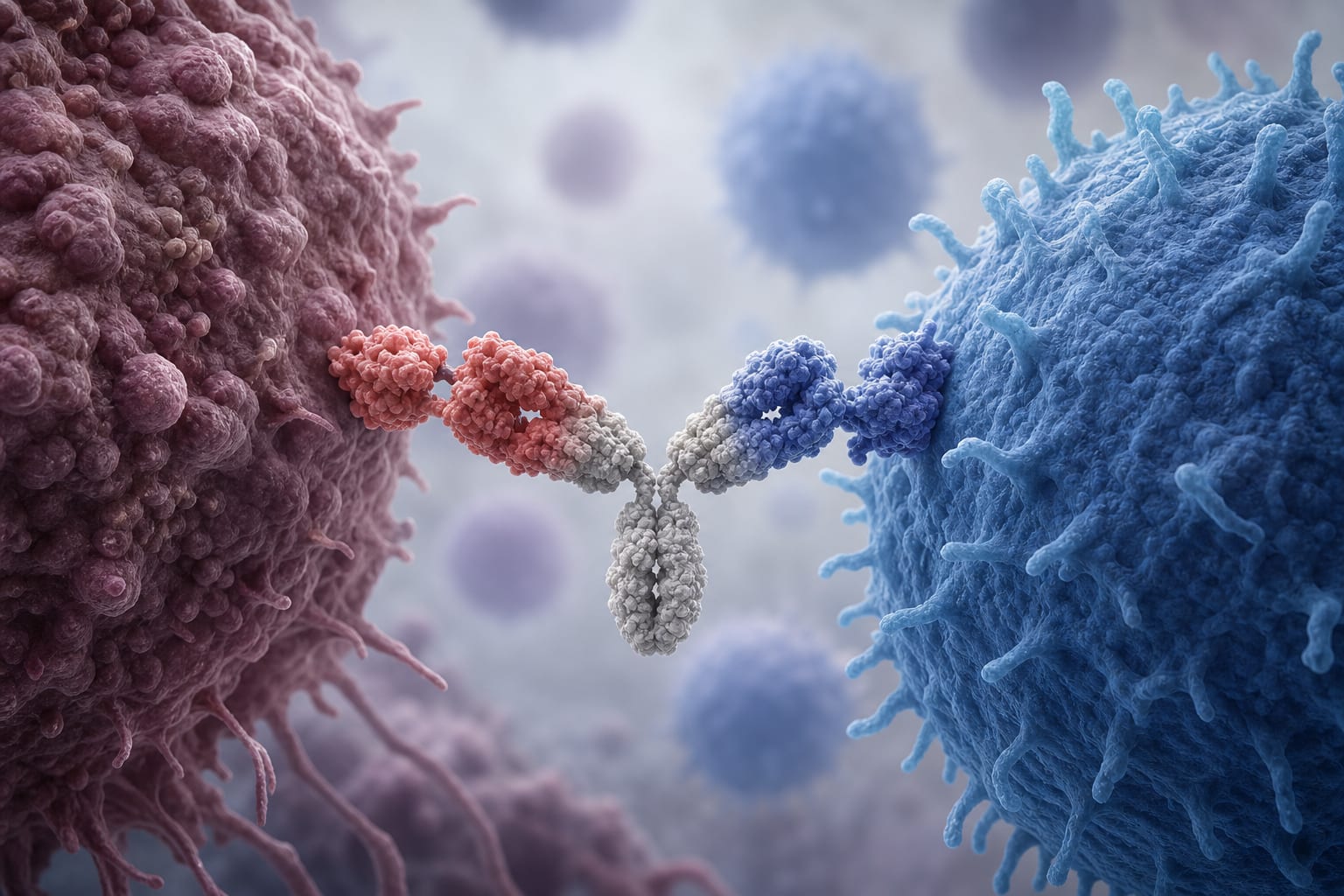
Gastric cancer is a leading cause of cancer-related mortality, with limited therapeutic options for advanced stages. PD-1 monotherapy has shown limited clinical benefit, necessitating innovative approaches like bispecific antibodies to enhance antitumor immunity. Understanding the clinical trial landscape is crucial for guiding future research and therapeutic strategies.
Data Highlights
Year
Number of Trials
Phase II Trials
Location
2017-2025
121
Largest Segment
84.30% in China
Key Findings
121 interventional clinical trials identified for PD-1-targeting BsAbs in gastric cancer.
Phase II trials represent the largest segment of the clinical trial landscape.
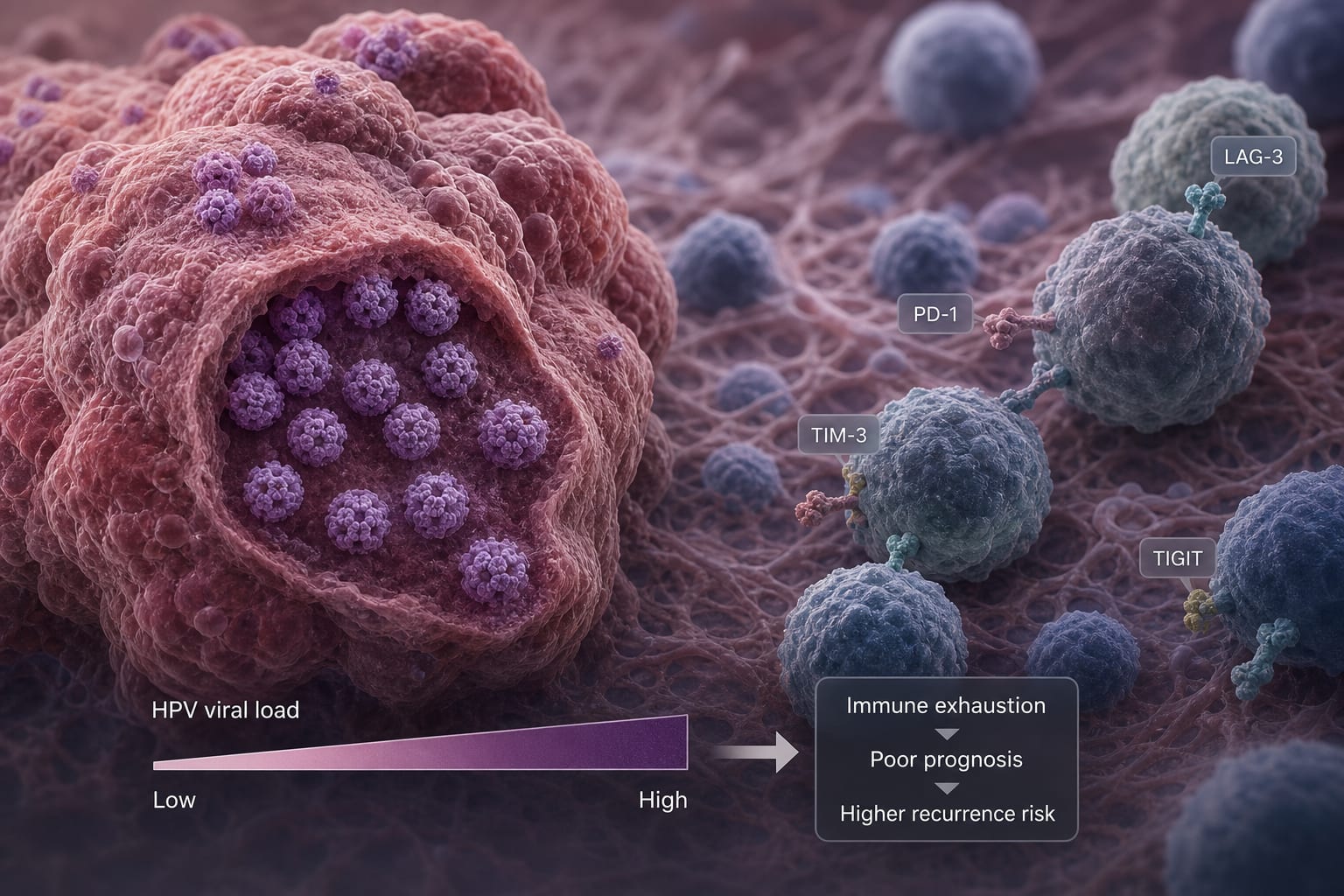
CTLA-4 was the most common non-PD-1 co-target, followed by VEGF, TIGIT, and LAG3.
Combination therapies were more prevalent in China-led trials compared to monotherapy in non-China-led trials.
Annual growth observed for CTLA-4, VEGF, and TIGIT-targeted programs.
Clinical Implications
The findings indicate a growing interest in PD-1-targeting bispecific antibodies as a strategy to enhance antitumor immunity in gastric cancer.
Conclusion
The analysis reveals a rapidly expanding pipeline for PD-1-targeting bispecific antibodies in gastric cancer, with China as a key contributor.