Healthcare Inequities in the LGBTQ+ Community and Investigations in Respiratory Care
-
By
-
RC Central Editorial Team
-
June 11, 2026
Healthcare Inequities in the LGBTQ+ Community and Investigations in Respiratory Care
Overview
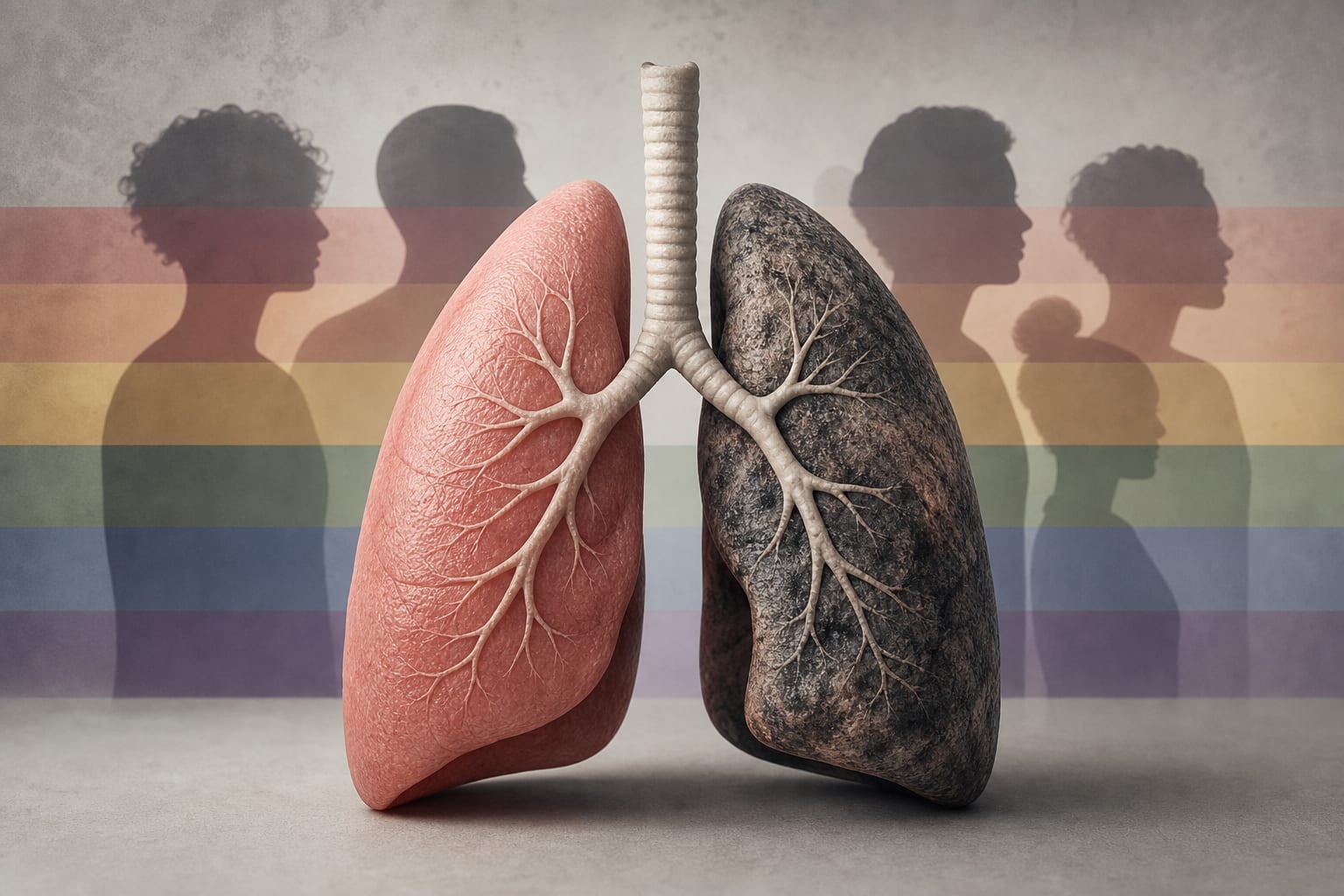
LGBTQ+ individuals face significant health disparities, particularly in respiratory health, with elevated rates of asthma and barriers to COPD care. Research indicates that these populations are underrepresented in respiratory health studies, highlighting the need for targeted investigations.
Background
Healthcare disparities among LGBTQ+ individuals are a pressing concern, as they often experience higher rates of respiratory diseases such as asthma and COPD. Understanding these disparities is essential for developing effective healthcare strategies that address the unique needs of sexual and gender minority populations. The lack of representation in respiratory health research further complicates efforts to provide equitable care.
Data Highlights
Research shows that lesbian/gay adults who are daily smokers have an 86% predicted probability of asthma, compared to 78% for bisexual smokers and 68% for heterosexual smokers. Additionally, obese bisexual adults have a 73% predicted probability of asthma, while obese lesbian/gay adults have a 72% probability, and obese heterosexual adults have a 69% probability.
Key Findings
- LGBTQ+ individuals experience a disproportionate burden of respiratory diseases, particularly asthma.
- Daily smoking is associated with higher asthma prevalence among sexual minority populations.
- Obesity correlates with increased asthma probability across different sexual identity groups.
- Research on COPD disparities in LGBTQ+ populations is limited, with only one study identified since 2016.
- Healthcare access barriers contribute to poorer respiratory outcomes in LGBTQ+ individuals.
- Future research is necessary to address the healthcare needs of LGBTQ+ patients in respiratory care.
Clinical Implications
Clinicians should be aware of the unique respiratory health challenges faced by LGBTQ+ patients and consider these factors when diagnosing and treating respiratory conditions. Increased research efforts are needed to inform evidence-based practices that cater to the specific needs of this population.
Conclusion
Addressing healthcare inequities in the LGBTQ+ community is crucial for improving respiratory health outcomes. Continued research and awareness are necessary to ensure that all patients receive equitable care.
Related Resources & Content
- The ASCO Post, 2023 -- Study Examines Stress and Social Support for LGBTQI Patients With Cancer and Their Caregivers
- The ASCO Post, 2024 -- High Burden of Chronic Health Conditions, Disability, and Cognitive and Physical Limitations Reported in LGBTQ+ Cancer Survivors
- JAMA Network Open, 2023 -- Sexual Orientation–Related Discrimination Among LGB+ Medical Students With Disabilities
- The ASCO Post, 2023 -- Chronic Health Conditions May Be Prevalent Among LGB Adolescent and Young Adult Cancer Survivors
- 2026 GINA Strategy Report - Global Initiative for Asthma - GINA
- International Journal of Transgender Health, 2025 -- Sleep apnea risk in transmasculine individuals on testosterone therapy: a population-based cohort study
- 2026 GINA Strategy Report - Global Initiative for Asthma - GINA
- Sleep apnea risk in transmasculine individuals on testosterone therapy: a population-based cohort study: International Journal of Transgender Health: Vol 0, No 0 - Get Access
- Diversity and inclusivity in clinical trial populations for maintenance inhaler therapy in people with COPD: a systematic review - PMC
Based on findings from:
LGBTQ+ Healthcare Disparaties and Respiratory Care Research
RC Central Editorial Team. American Association For Respiratory Care (Aarc), 2026.
https://rccentral.aarc.org/lgbtq-respiratory-care-research-lacking/
This content is an AI-generated, fully rewritten summary based on a published scholarly article. It does not reproduce the original text and is not a substitute for the original publication. Readers are encouraged to consult the source for full context, data, and methodology.