Clinical Report: Intercellular Communication and RNA m6A Modifications in RILI
Background
Radiation-induced liver injury (RILI) is a significant complication of radiotherapy for abdominal and thoracic cancers, with an incidence ranging from 6% to 66%. Understanding the molecular mechanisms underlying RILI is crucial for developing effective prevention and treatment strategies. Current management options are limited.
Data Highlights
No numerical data available in the source material.
Key Findings
RILI can manifest as acute or chronic injury, with symptoms appearing weeks to months post-radiotherapy.
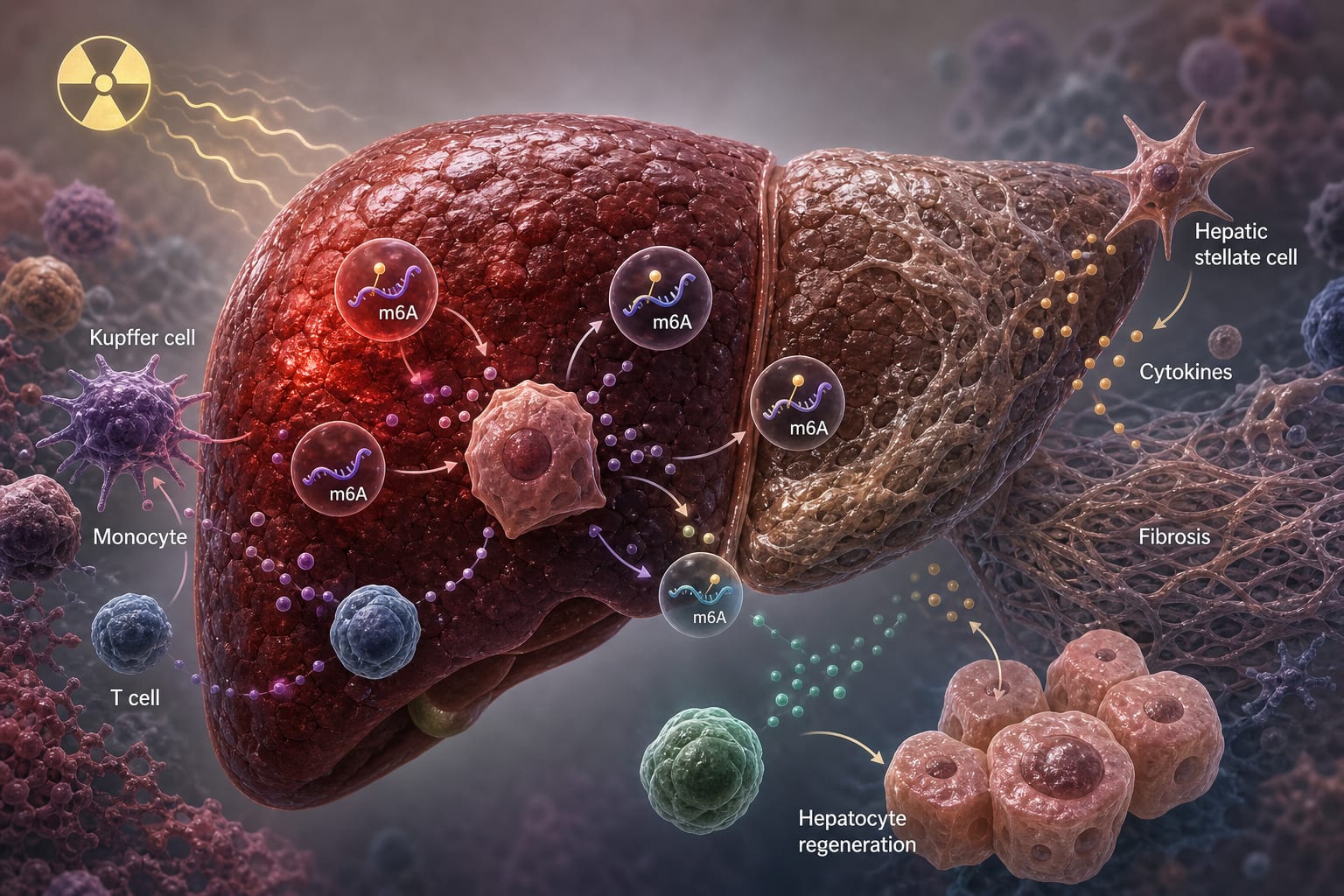
Intercellular communication involving cytokines and exosomes plays a critical role in RILI pathogenesis.
Dysregulated m6A methylation disrupts hepatocyte homeostasis and immune cell activation.
Hepatic stellate cell activation is a key feature in the progression of hepatic fibrosis following RILI.
Current pharmacological therapies for RILI are limited.
Clinical Implications
Clinicians should be aware of the complex interplay between intercellular communication and m6A modifications in RILI.
Conclusion
The interplay between intercellular communication and m6A modifications is critical in understanding RILI.