Ultra-weak photon emission: from oxidative metabolism to DNA-based communication: a review of biochemical, biophysical and quantum biological perspectives - Report - MDSpire
Conexiant’s news site is now MDSpire News. Learn more
Advertisement
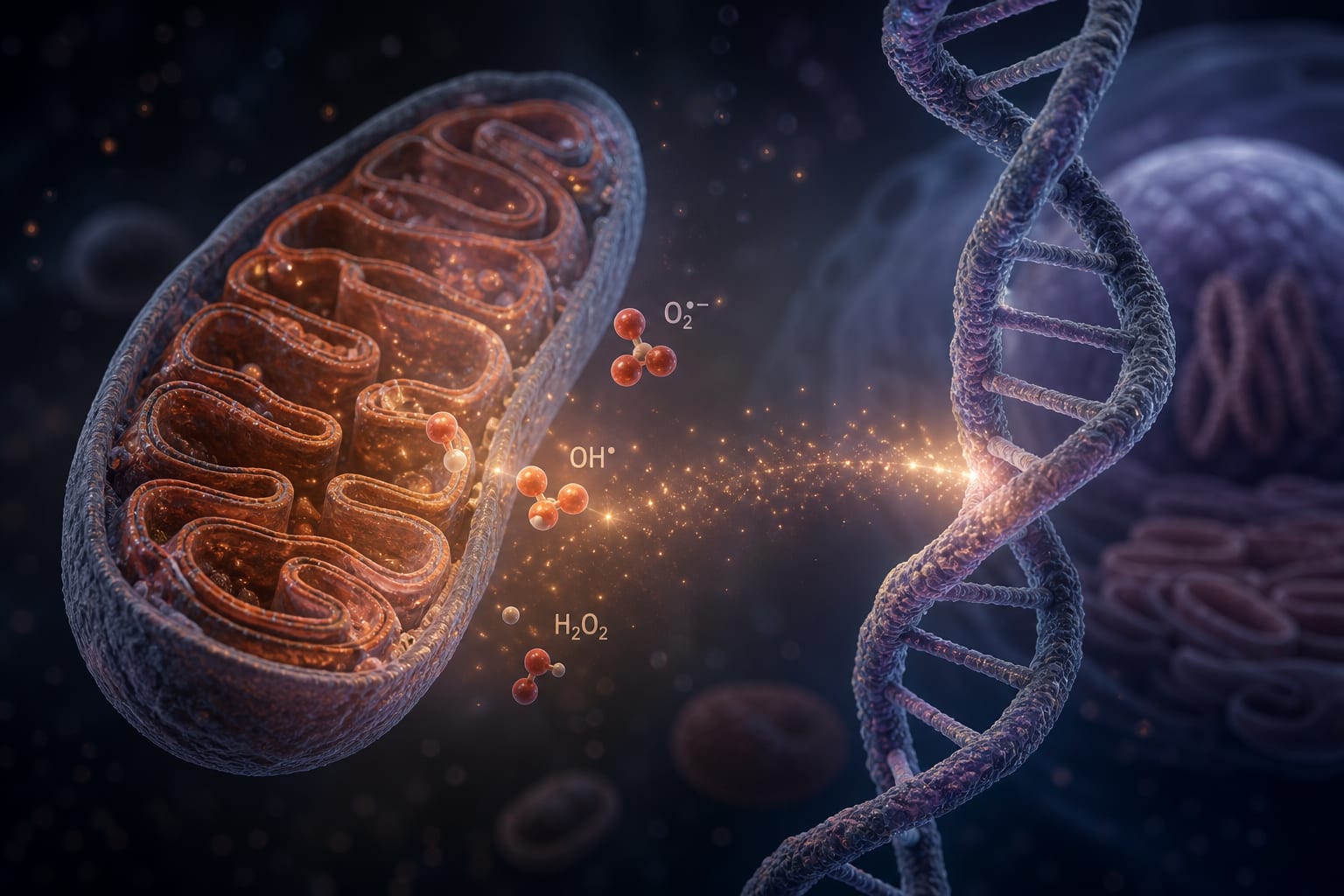
Weak Photon Emission in Biological Systems: Exploring Links Between Oxidative Metabolism and DNA Communication Through Biochemical, Biophysical, and Quantum Biological Lenses
Clinical Report: Weak Photon Emission in Biological Systems
Overview
This review explores ultra-weak photon emission (UPE) in biological systems, linking it to oxidative metabolism. It highlights the role of cellular states in influencing UPE and discusses measurement techniques.
Background
Ultra-weak photon emission (UPE) has been observed in various living organisms and is associated with oxidative processes. Understanding UPE is crucial as it may reflect cellular organization and activity. The implications of UPE extend to endocrine regulation and the viability of embryos.
Data Highlights
No numerical data or trial results were provided in the source material.
Key Findings
UPE is influenced by cellular states, with mitochondria, membranes, and peroxisomes playing key roles.
DNA may act as both a storage/emitter and a potential resonator for photon emissions.
UPE may represent a structured optical correlate of cellular organization.
Patterns of photon emission can vary based on circadian rhythms, aging, and therapeutic interventions.
Current hypotheses suggest UPE could provide insights into biological information processing.
Clinical Implications
Current clinical guidelines do not recommend UPE-based diagnostics or monitoring.
Conclusion
The exploration of UPE in biological systems presents challenges and opportunities for understanding cellular communication and organization.