Clinical Report: Enhancing Diagnostic Precision for Early Detection of Lung Cancer
Overview
This editorial discusses the need for improved early detection and diagnosis of lung cancer, emphasizing screening, risk assessment, and procedural innovations. Recent studies highlight advancements in lung cancer screening education and the evaluation of pulmonary nodules.
Background
Lung cancer remains the leading cause of cancer-related mortality globally, primarily due to late-stage diagnoses. Optimizing early detection through various methods is essential. This editorial aims to address significant gaps in lung cancer diagnostic excellence.
Data Highlights
No numerical data or trial results were provided in the source material.
Key Findings
Lung cancer screening with low-dose CT significantly reduces lung cancer-specific mortality among high-risk individuals.
Real-world implementation of lung cancer screening often deviates from clinical trial protocols due to various barriers.
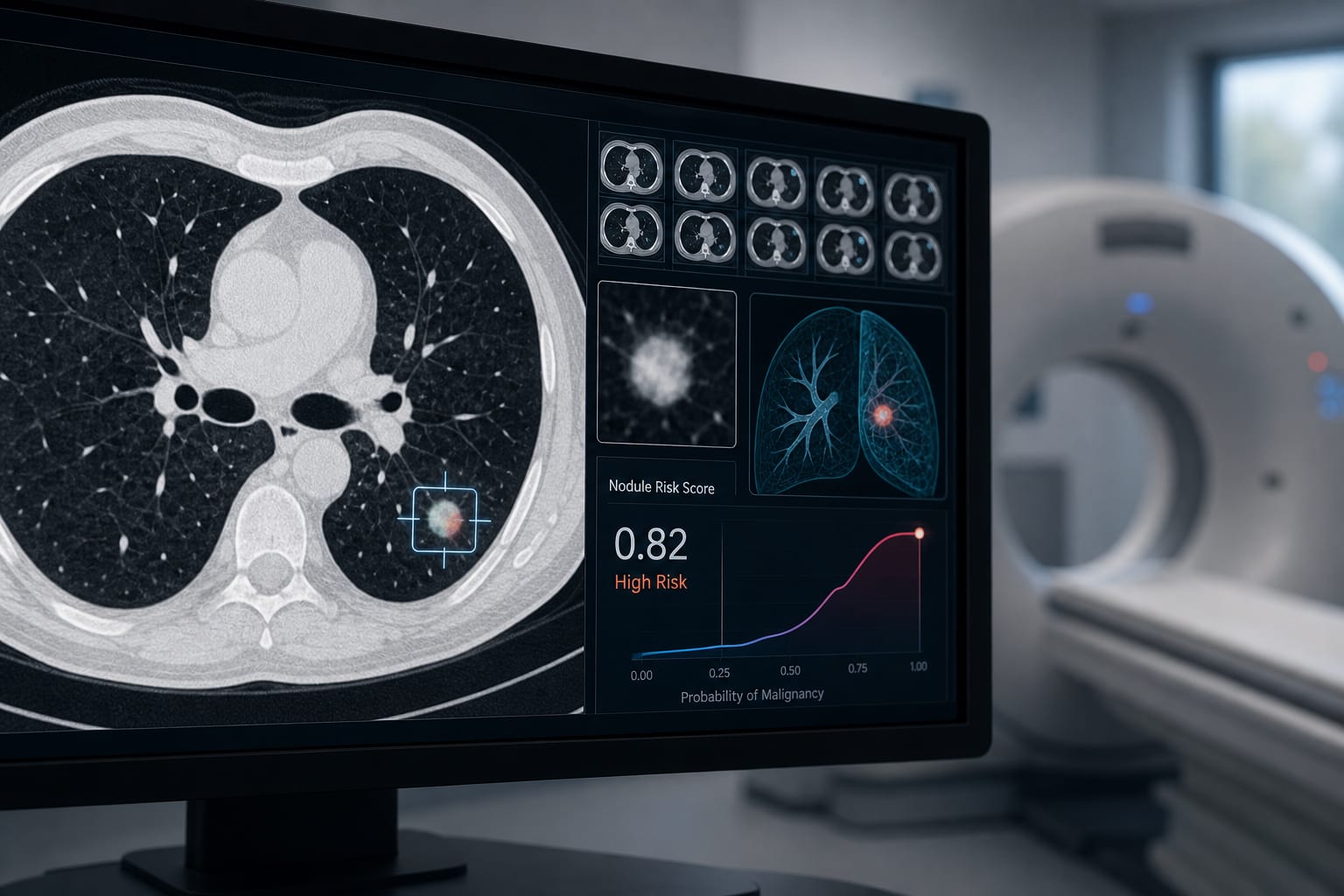
Machine learning and predictive models are being explored for pulmonary nodule cancer risk assessment.
Innovations in lung biopsy techniques may enhance diagnostic accuracy and reduce complications.
Education for primary care clinicians can improve knowledge and management of lung cancer screening.
Clinical Implications
Healthcare professionals should be informed about advancements in lung cancer screening and risk assessment for pulmonary nodules.
Conclusion
Enhancing diagnostic precision in lung cancer detection is vital. Ongoing research and education are necessary to address existing challenges.