Multi-omics integration and in vitro validation identify IL4R, IMPA2, and PRR4 as key therapeutic targets in chronic rhinosinusitis with nasal polyps - Report - MDSpire
Conexiant’s news site is now MDSpire News. Learn more
Advertisement
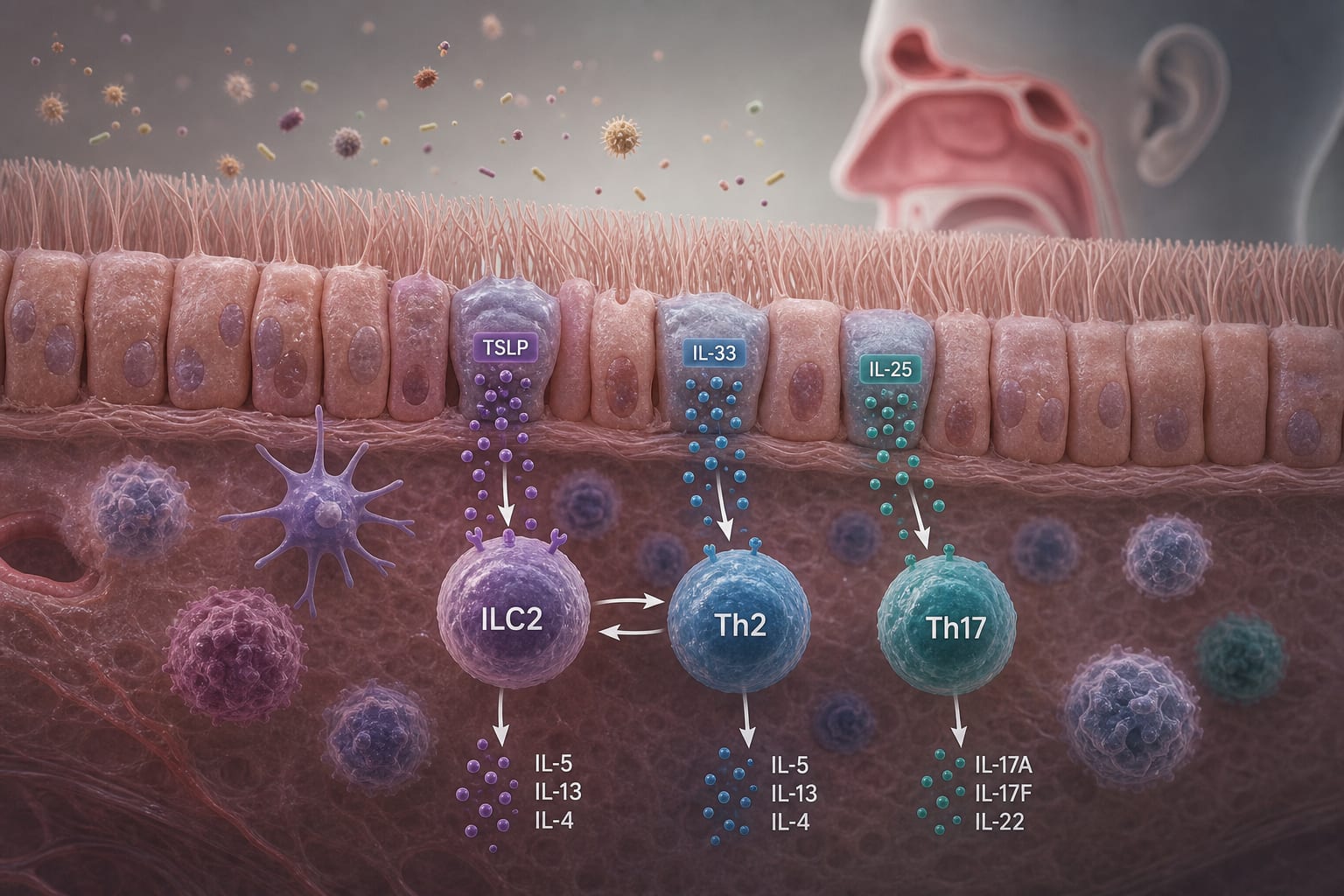
Integration of Multi-Omics Data and In Vitro Analysis Reveals IL4R, IMPA2, and PRR4 as Significant Therapeutic Targets in Chronic Rhinosinusitis with Nasal Polyps
Clinical Report: Integration of Multi-Omics Data Reveals Key Targets in CRSwNP
Overview
This study identifies IL4R, IMPA2, and PRR4 as significant therapeutic targets in chronic rhinosinusitis with nasal polyps (CRSwNP) through multi-omics data integration and in vitro analysis. The findings suggest that modulation of these genes can protect nasal epithelial cells from inflammatory injury.
Background
Chronic rhinosinusitis with nasal polyps (CRSwNP) is a prevalent inflammatory condition affecting the sinonasal mucosa, with a complex pathogenesis that remains poorly understood. Current diagnostic methods lack specificity, and treatment options face challenges such as high recurrence rates and limited efficacy. Understanding the molecular mechanisms underlying CRSwNP is crucial for identifying new therapeutic targets and improving patient outcomes.
Data Highlights
Key Findings
Details
Identified Genes
IL4R, IMPA2 (upregulated), PRR4 (downregulated)
Candidate Genes
43 screened from 4460 differentially expressed genes
Potential Drugs
26 drugs predicted with strong binding to key genes
In Vitro Validation
Knockdown of IL4R or IMPA2 and overexpression of PRR4 reduced LPS-induced injury
Key Findings
Integration of multi-omics data identified 732 hub genes relevant to CRSwNP.
Machine learning highlighted IL4R and IMPA2 as upregulated and PRR4 as downregulated in CRSwNP.
Immune analysis indicated increased monocytes and M2 macrophages in CRSwNP patients.
Modulation of IL4R, IMPA2, and PRR4 showed protective effects against inflammatory injury in nasal epithelial cells.
Drug prediction analysis identified 26 potential therapeutic agents targeting these key genes.
Clinical Implications
Discuss potential pathways for implementing personalized treatment based on molecular profiling.
Conclusion
The study successfully identifies key molecular targets in CRSwNP and demonstrates their regulatory mechanisms, paving the way for novel therapeutic interventions.
The nurse practitioner profession claims the No. 1 spot across three categories in the U.S. News & World Report 2026 Best Jobs rankings for the third consecutive year.