CKAP2L Enhances Endometrial Cancer Development by Inhibiting AKT Ubiquitination
Overview
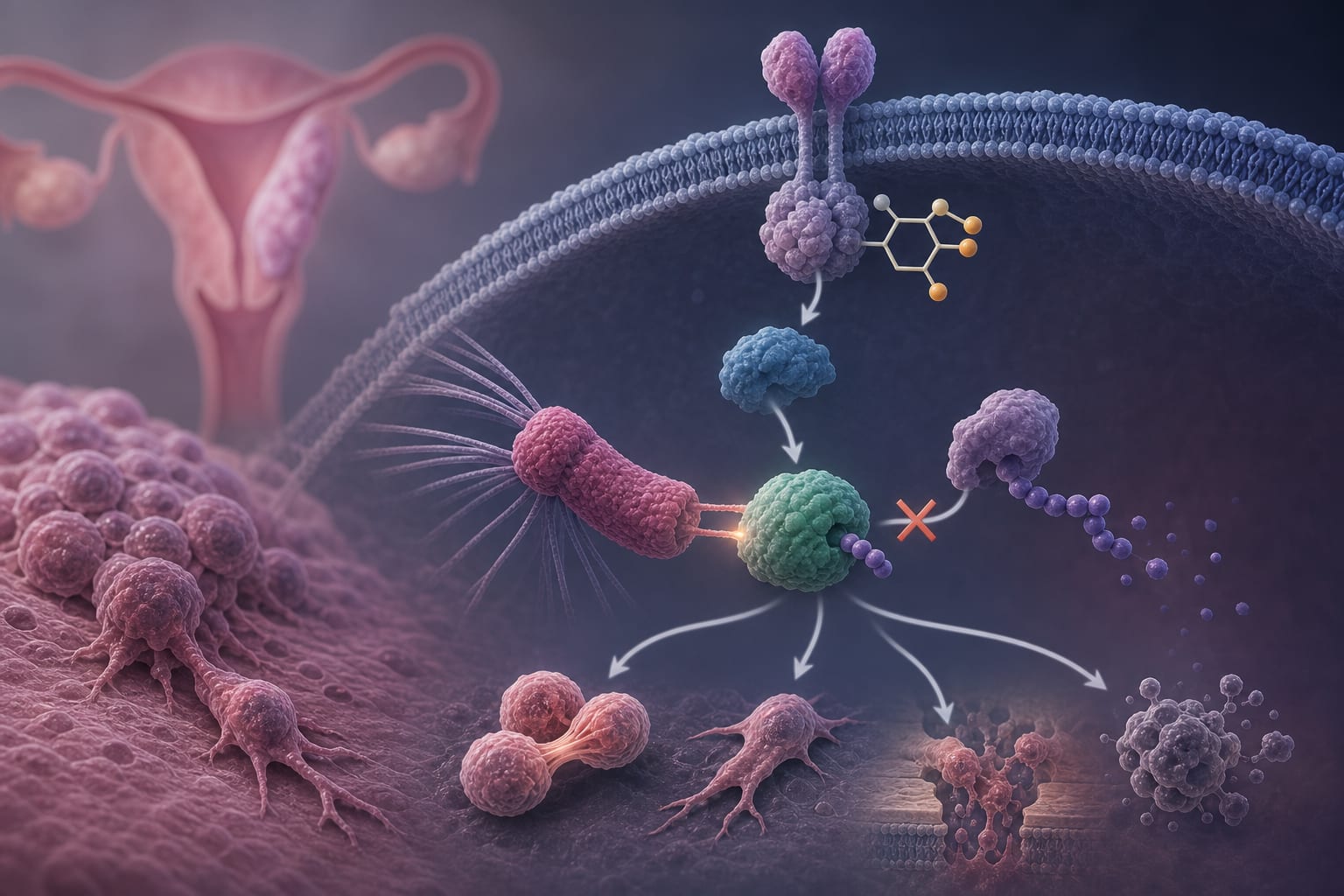
CKAP2L is identified as an oncogene in endometrial cancer (EC), promoting tumor growth by inhibiting AKT ubiquitination and activating the PI3K/AKT pathway. This study highlights the potential of CKAP2L as a therapeutic target in EC management, emphasizing its role in tumor progression.
Background
Endometrial cancer is the most common gynecological malignancy in high-income countries, with increasing incidence rates. Despite advances in treatment, the prognosis for advanced-stage patients remains poor, with five-year survival rates dropping below 20%. This underscores the need for novel therapeutic targets. Understanding the molecular mechanisms driving EC, such as the role of CKAP2L, is crucial for improving treatment strategies and patient outcomes.
Data Highlights
Experiment
Findings
CKAP2L Expression
Elevated in EC tissues
CKAP2L Knockdown
Attenuated EC growth in vivo
CKAP2L Depletion
Inhibited EC cell proliferation, migration, invasion, and increased apoptosis
CKAP2L Overexpression
Increased AKT phosphorylation and PI3K/AKT signaling
Key Findings
CKAP2L is overexpressed in endometrial cancer tissues.
Knockdown of CKAP2L reduces tumor growth in xenograft models.
Depletion of CKAP2L leads to decreased cell proliferation, increased apoptosis, and altered cell cycle dynamics in EC cells.
CKAP2L stabilizes p-AKT by inhibiting its ubiquitination.
CKAP2L activation enhances the PI3K/AKT signaling pathway.
Clinical Implications
Targeting CKAP2L may provide a novel therapeutic strategy for endometrial cancer, particularly in advanced stages. Understanding its role in AKT regulation could lead to improved treatment outcomes and personalized therapy approaches, though challenges in targeting CKAP2L therapeutically must be addressed.
Conclusion
CKAP2L plays a significant role in promoting endometrial cancer progression through its effects on AKT ubiquitination and PI3K/AKT signaling. Further exploration of CKAP2L as a therapeutic target is warranted, with additional studies needed to validate its efficacy.