Addressing MASLD/MASH: Obstacles, Innovations, and the Future of Patient-Centric Approaches in Japan
-
By
-
Yuya Seko
-
Kanji Yamaguchi
-
April 15, 2026
Clinical Report: MASLD/MASH in Japan – Epidemiology, Diagnosis, and Management Challenges
Overview
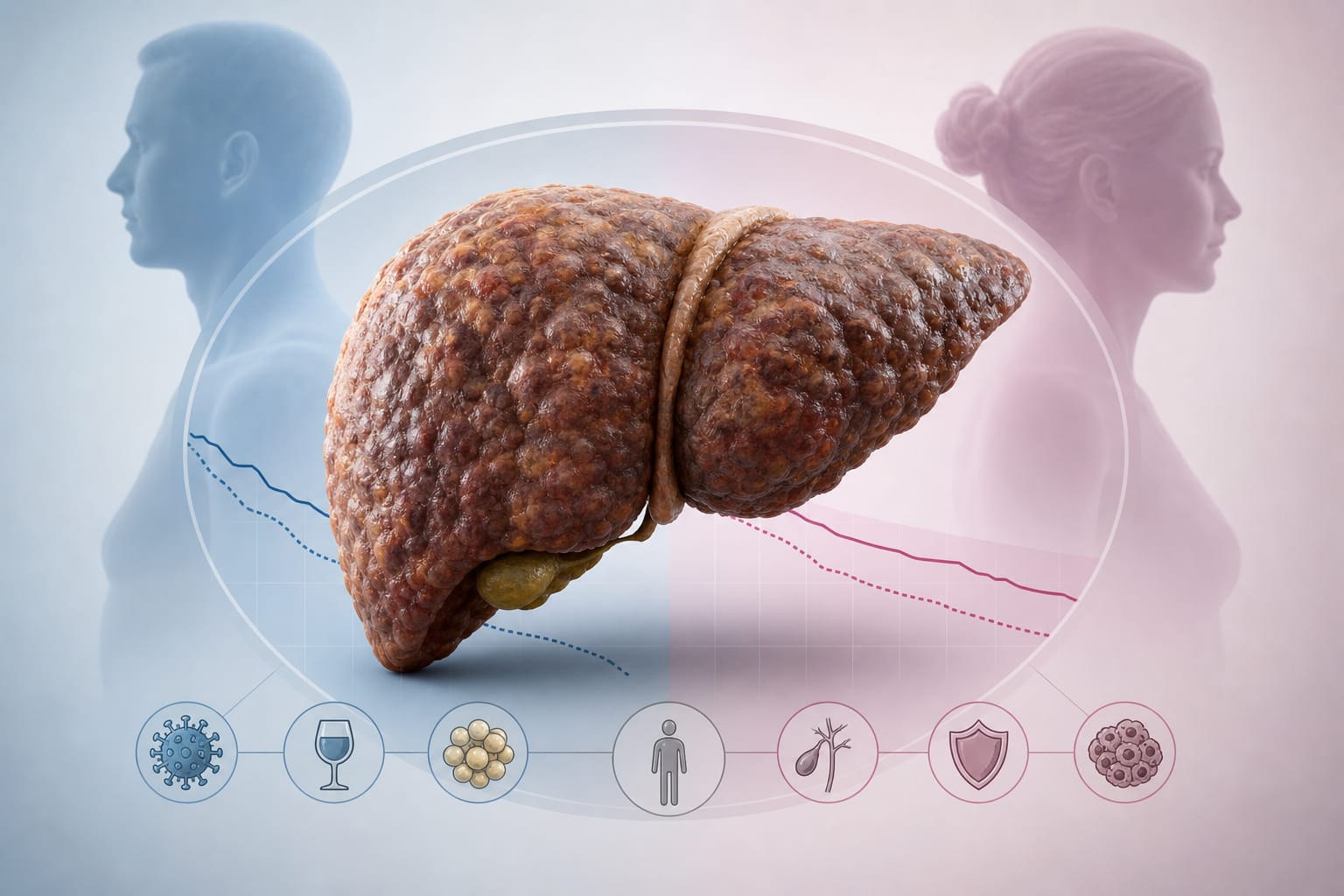
MASLD/MASH prevalence is rising in Japan, with 25.9% of individuals over 50 affected and a notable 20.7% of cases occurring in lean patients. Advances in non-invasive diagnostics and emerging therapies offer new management avenues, but challenges remain due to disease heterogeneity and limited awareness.
Background
Chronic liver disease etiology in Japan has shifted from viral hepatitis to metabolic dysfunction-associated steatotic liver disease (MASLD) and steatohepatitis (MASH). MASLD affects approximately 9–30% of Japanese adults, with increasing prevalence linked to lifestyle westernization. Lean MASLD, defined by BMI <23 kg/m2, represents a significant subset with higher risks of cirrhosis and mortality. Non-invasive liver disease assessment and novel pharmacotherapies are reshaping diagnosis and treatment strategies.
Data Highlights
| Parameter | Value/Range | Notes |
|---|---|---|
| MASLD prevalence in Japan (2019) | 25.9% | Individuals aged >50 years |
| Lean MASLD proportion | 20.7% | Among MASLD patients in Japan |
| MASLD prevalence by region in Japan | 20.37% (Chubu) to 31.14% (Shikoku) | Regional variation |
| MASLD prevalence increase forecast | 33.7% (2020) to 44.8% (2040) | Japan national forecast |
| Cardiovascular disease incidence in MASLD patients | 2.82 per 1000 person-years | 2.9-fold higher than non-MASLD |
| Comorbidities in MASLD patients | Diabetes 14%, Hypertension 31%, Dyslipidemia 48% | From Japanese health checkup registry |
| MASH prevalence in obese MASLD patients | 17.3% | Biopsy-confirmed |
| MASH prevalence in lean MASLD patients | 3.8% | Biopsy-confirmed |
Key Findings
- MASLD prevalence in Japan is increasing, influenced by westernized lifestyle and aging population.
- Lean MASLD constitutes a significant subset with increased risk of cirrhosis and mortality compared to non-lean patients.
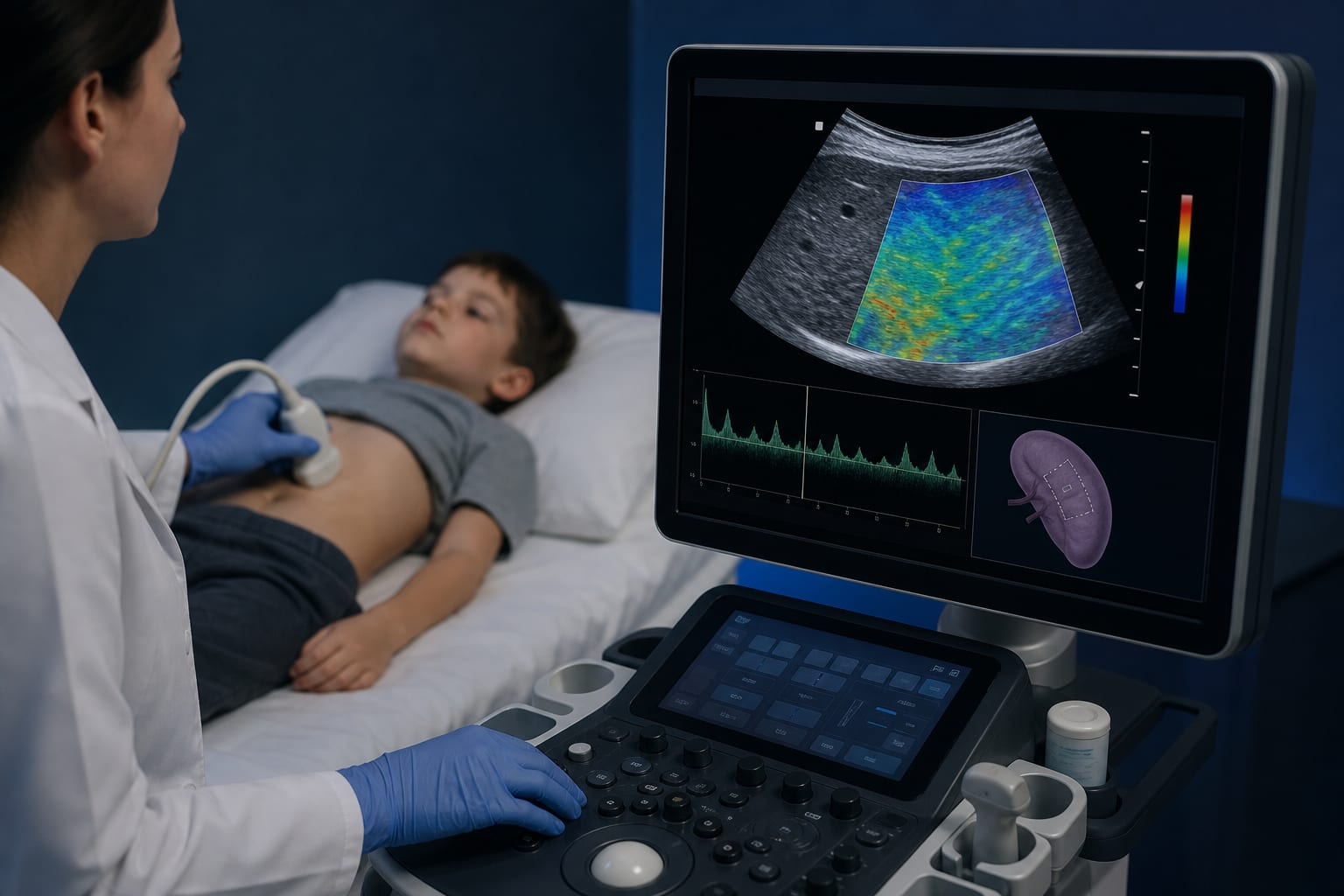
- Non-invasive liver disease assessments such as vibration-controlled transient elastography are gaining importance for early diagnosis.
- Emerging pharmacotherapies like resmetirom and semaglutide are promising but require personalized treatment approaches due to disease heterogeneity.
- MASLD patients have a higher incidence of cardiovascular disease and metabolic comorbidities, underscoring the need for comprehensive management.
- Regional variations in MASLD prevalence within Japan suggest lifestyle and dietary influences on disease burden.
Clinical Implications
Clinicians should recognize the rising burden of MASLD/MASH in Japan, including in lean individuals who are at higher risk for adverse outcomes. Utilization of non-invasive diagnostic tools can facilitate early detection and monitoring. Personalized treatment strategies incorporating lifestyle modification and emerging pharmacotherapies are essential to address the heterogeneity of MASLD/MASH and associated metabolic comorbidities.
Conclusion
MASLD/MASH represents a growing public health challenge in Japan, necessitating increased awareness, early diagnosis, and tailored management strategies. Advances in non-invasive diagnostics and novel therapies offer hope for improved patient outcomes in this evolving landscape.
Related Resources & Content
- Kawaguchi et al. 2023 -- Addressing MASLD/MASH: Obstacles, Innovations, and the Future of Patient-Centric Approaches in Japan
Based on findings from:
Management of MASLD/MASH: challenges, innovations, and the future of patient-centered care in Japan
Yuya Seko, Kanji Yamaguchi. Journal Of Gastroenterology, 2026.
https://link.springer.com/article/10.1007/s00535-026-02401-9
This content is an AI-generated, fully rewritten summary based on a published scholarly article. It does not reproduce the original text and is not a substitute for the original publication. Readers are encouraged to consult the source for full context, data, and methodology.