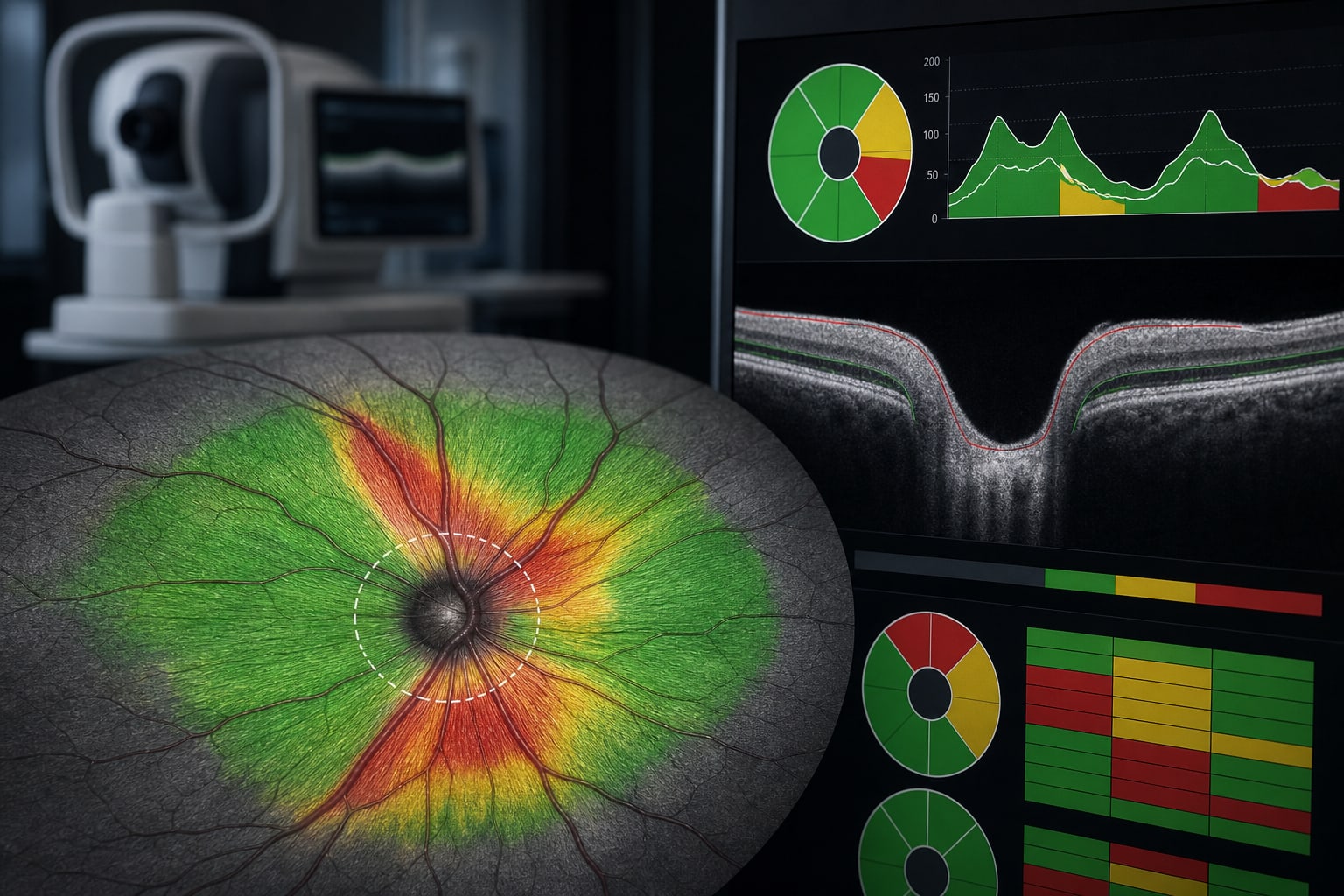
Clinical Report: TULIP: A New Approach to IOP Reduction
Overview
The TULIP system utilizes low-power ultrasound biomodulation to noninvasively reduce intraocular pressure (IOP) in glaucoma patients. This innovative approach aims to enhance aqueous humor dynamics without causing tissue damage, addressing significant limitations of current therapies.
Background
Glaucoma is a leading cause of irreversible blindness, making effective IOP management crucial. Traditional therapies often face challenges such as patient adherence and ocular surface disease, highlighting the need for noninvasive and repeatable treatment options. The TULIP system represents a novel strategy that could improve patient outcomes by modulating aqueous humor dynamics without the drawbacks of existing interventions.
Data Highlights
No numerical data was provided in the source material.
Key Findings
TULIP employs low-power ultrasound to modulate aqueous humor dynamics without thermal ablation.
The procedure is performed in-office under topical anesthesia, ensuring patient comfort and efficiency.
Unlike traditional therapies, TULIP focuses on physiological modulation rather than tissue destruction.
Ultrasound exposure may enhance aqueous humor outflow by affecting cellular behavior in the trabecular meshwork.
The system is designed to be compatible with standard clinical workflows, addressing the need for repeatable interventions.
Clinical Implications
The TULIP system offers a promising alternative for glaucoma management, particularly for patients struggling with adherence to topical medications. Its noninvasive nature and potential for repeated use may improve long-term disease management and patient comfort.
Conclusion
TULIP represents a significant advancement in glaucoma treatment, providing a noninvasive option for IOP reduction that aligns with the evolving landscape of glaucoma care.