Polar Transplant Approach to the Anterior Mesiotemporal Area
Overview
The polar transplant approach provides a minimally invasive corridor to the anterior mesiotemporal structures, including the amygdala and hippocampus, by limited sylvian fissure dissection and a small corticotomy at the planum polare. This technique reduces the risk of vascular injury and preserves critical white matter tracts, offering an effective option for lesion resection and selective amygdalo-hippocampectomy.
Background
Surgical access to the mesial temporal lobe is challenging due to complex anatomy and the presence of critical vascular and white matter structures. Traditional transcortical-transventricular and transylvian-transventricular approaches risk damage to lateral cortex, optic radiations, and important fasciculi, potentially causing visual or cognitive deficits. The sylvian fissure anatomy, including the uncinate and inferior frontooccipital fasciculi, and the course of the middle cerebral artery segments, is crucial for planning safe surgical corridors. The polar transplant approach targets the planum polare region to minimize dissection and preserve function.
Data Highlights
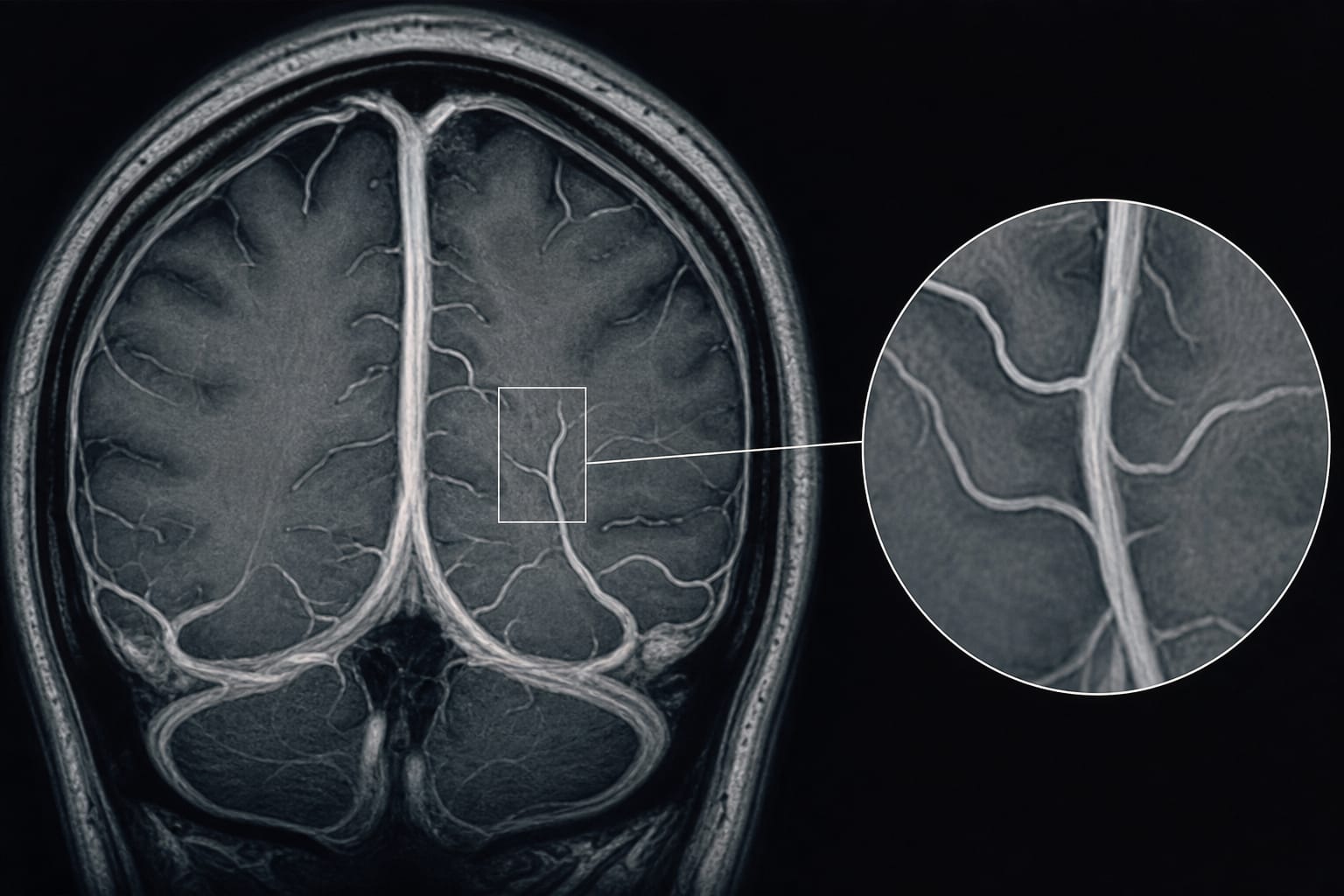
Preoperative and postoperative gadolinium-enhanced T1-weighted MRI images demonstrate gross total resection of a well-defined amygdala lesion with no neocortical disruption, confirming the efficacy and safety of the approach.
Key Findings
The sylvian fissure is opened minimally from distal to proximal, avoiding extensive dissection and retraction.
A small (~1 cm) corticotomy at the anteromedial planum polare allows direct access to the amygdala and anterior hippocampus.
The approach preserves Meyer’s loop fibers, optic radiations, and the inferior fronto-occipital fasciculus by maintaining a superoinferior dissection trajectory parallel to the choroidal fissure.
Mobilization of M3 branches of the middle cerebral artery medially enables visualization of key anatomical landmarks without dividing small insular vessels.
This technique reduces the risk of vascular injury and cognitive or visual deficits compared to traditional transcortical or transsylvian approaches.
It is suitable for resection of mesiotemporal lesions and selective amygdalo-hippocampectomy in refractory epilepsy.
Clinical Implications
The polar transplant approach offers a safer and less invasive alternative for accessing anterior mesiotemporal lesions, minimizing cortical and vascular injury. Surgeons can achieve effective lesion resection or selective amygdalo-hippocampectomy while preserving critical white matter tracts and reducing postoperative neurological deficits. This technique may improve outcomes in patients with complex partial epilepsy or mesiotemporal tumors.
Conclusion
The polar transplant approach to the anterior mesiotemporal area provides a targeted, anatomically informed corridor that balances maximal lesion access with preservation of neurological function. It represents a valuable addition to the surgical armamentarium for mesiotemporal pathology.
References
Relevant surgical anatomy and technique details -- Source Article
“High-dose intravenous vitamin C administered early after injury did not reduce organ dysfunction or [mortality] and should not be a treatment in severe burns.”