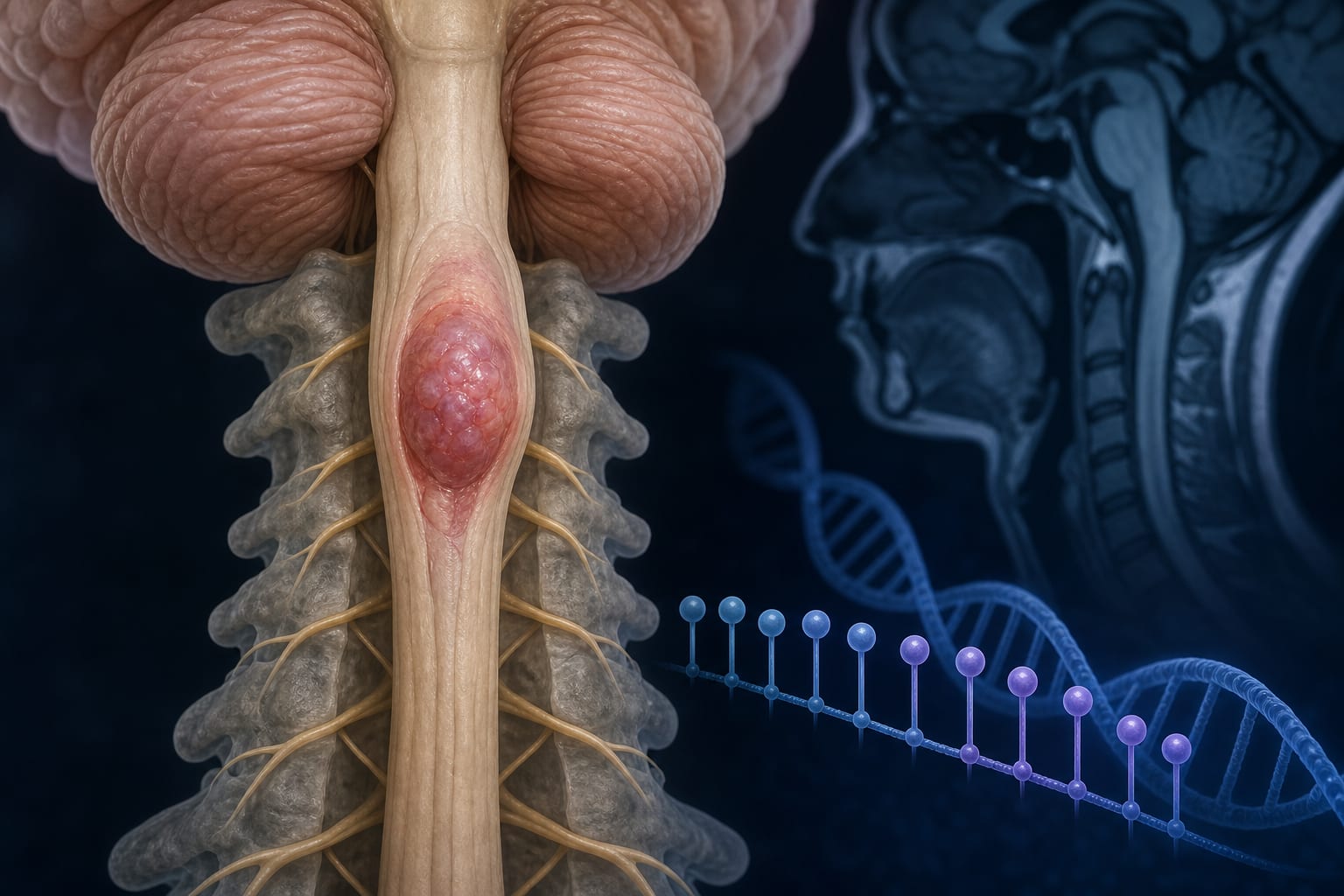
Feasibility of Mixed Reality for Patient Consultations in Neurosurgery
Overview
This feasibility study evaluated the use of mixed reality (MR) technology to enhance patient understanding during neurosurgical consultations. Patients with brain tumours were randomized to receive standard 2D MRI-based consultation or additional MR visualization, demonstrating the potential for MR to improve patient comprehension and engagement.
Background
In neurosurgery, complex anatomy and pathology often challenge patient understanding during consultations, with patients typically retaining only 20–60% of information provided. Traditional 2D MRI images are difficult for patients to interpret, impacting informed consent and decision-making. Emerging interactive technologies like 3D models and virtual reality have shown promise in improving comprehension, but mixed reality (MR), which anchors virtual objects in the real environment, may offer advantages such as reduced cybersickness and enhanced spatial understanding. This study aimed to assess the feasibility and patient-perceived benefits of MR in neurosurgical consultations.
Data Highlights
Patients with newly diagnosed brain tumours were randomized to either a conventional 2D MRI consultation group or an MR group receiving additional holographic visualization using MagicLeap headsets. MRI sequences used included T1 with contrast enhancement, FLAIR, and others, with volumetric reconstructions generated via Brainlab Elements software. The MR visualization allowed simultaneous viewing by surgeon and patient, facilitating interactive discussion. The study was conducted as a prospective, single-centre, open-label randomized controlled trial (IDEAL Stage 2a) with ethics approval and adherence to CONSORT guidelines.
Key Findings
Mixed reality visualization was successfully integrated into neurosurgical consultations without disrupting standard clinical workflow.
MR provided enhanced 3D spatial understanding of patient-specific brain anatomy and tumour location compared to conventional 2D MRI images.
Patients in the MR group reported improved comprehension of their pathology and surgical procedure.
MR technology reduced the cognitive burden of interpreting complex neuroanatomy by providing anchored holographic images in the consultation environment.
The use of commercially available MR headsets (MagicLeap) combined with Brainlab neuronavigation software was feasible with minimal training.
No adverse effects such as cybersickness or nausea were reported with MR use, supporting its tolerability in clinical settings.
Clinical Implications
Incorporating mixed reality into neurosurgical consultations may enhance patient understanding and informed consent by providing intuitive, patient-specific 3D visualizations of brain anatomy and pathology. This technology can improve communication and patient engagement without adding significant time or complexity to consultations. Wider adoption could support better patient-centered care and decision-making in neurosurgery.
Conclusion
This study demonstrates the feasibility and potential benefits of mixed reality visualization to augment neurosurgical consultations, improving patient comprehension of complex neuroanatomy and pathology. Further research is warranted to quantify its impact on clinical outcomes and consent quality.
References
IDEAL Stage 2a Feasibility Study Protocol and CONSORT Guidelines
Brainlab AG and MagicLeap Partnership for MR Visualization in Neurosurgery